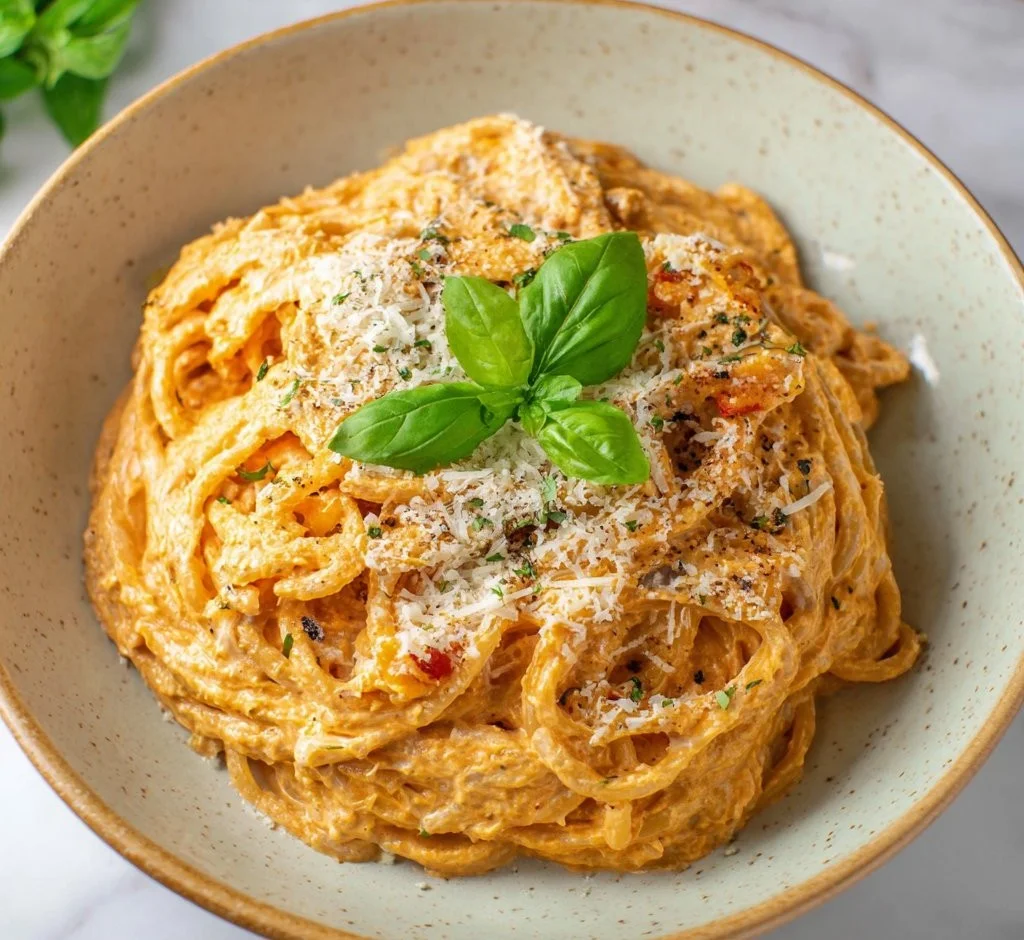
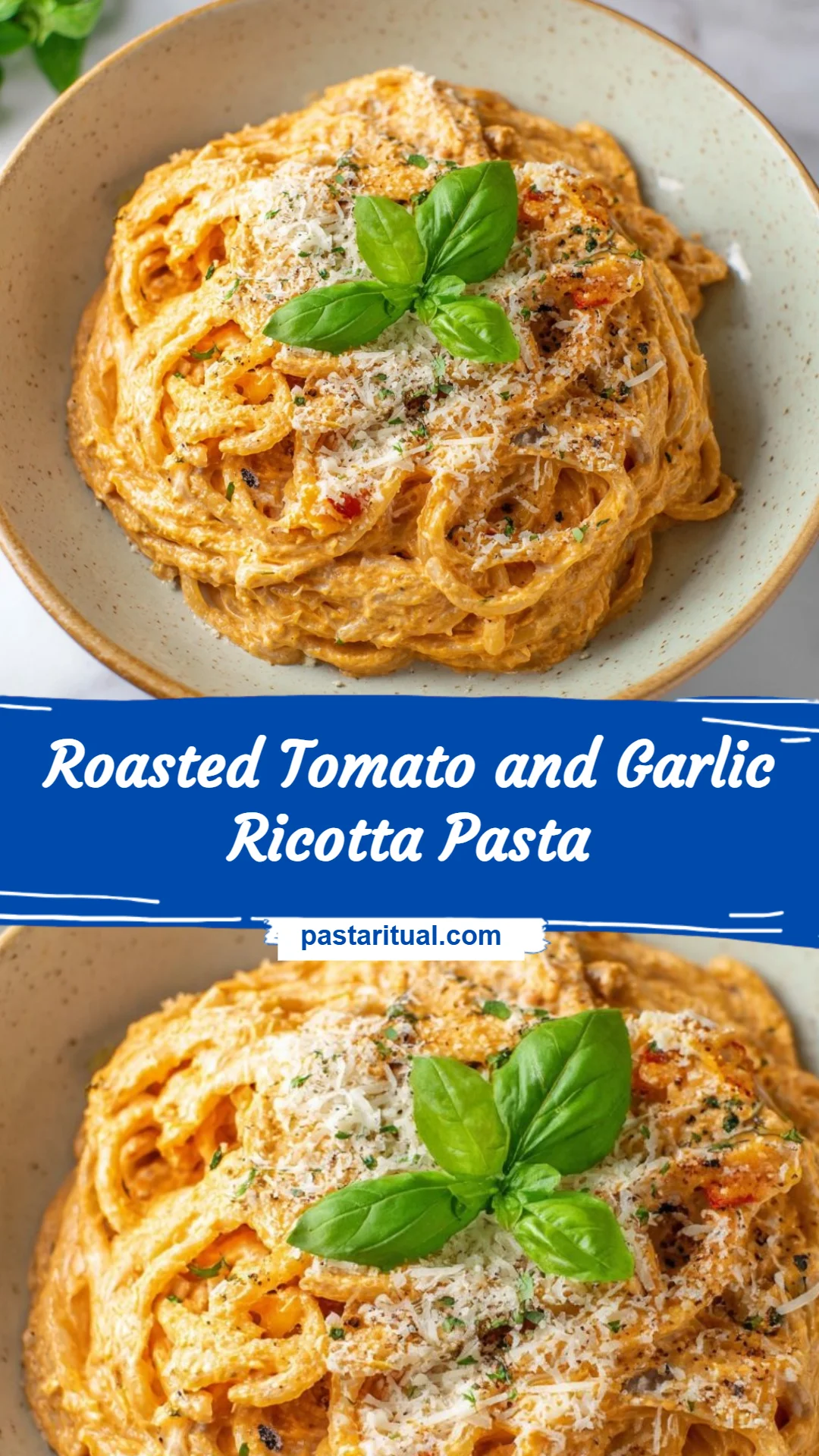
Roasted Tomato and Garlic Ricotta Pasta
Have you ever come home craving something warm and comforting and ended up laughing at how a few tomatoes and a head of garlic saved dinner? I have—many times—and that cozy, slightly charred aroma is one of my favorite kitchen memories. If you’re intimidated by roasting or worry about melding sauces, you’re not alone; beginners often fear burning the garlic or ending up with watery sauce. I promise this Roasted Tomato and Garlic Ricotta Pasta is forgiving, simple, and quiet-proof—perfect for weeknights when you want something soothing without drama. If you enjoy creamy tomato sauces, you might also like this creamy tomato garlic pasta that I turn to when I want more of that silky comfort.
A Quick Look at This Roasted Tomato and Garlic Ricotta Pasta Recipe
This dish highlights two superstar ingredients: ripe roasted tomatoes and soft roasted garlic, blended with creamy ricotta for a silky, light sauce. It’s a comfort meal that’s also quick to pull together—roast while the pasta cooks, blend, toss, and serve. Nutritionally, it’s a simple way to get seasonal tomatoes and some protein from ricotta without heavy cream. It’s especially friendly for home cooks and beginners because the technique is forgiving and you can adjust the texture with pasta water. Keep reading to learn my step-by-step tips and small tricks that make this easy recipe feel like an effortless, cozy dinner.
Ingredients You’ll Need for Roasted Tomato and Garlic Ricotta Pasta
Below I break the ingredients into what you must have, nice extras to try, and easy swaps or shortcuts for busy nights.
Essentials
- 450 g (1 pound) ripe medium vine tomatoes, halved — choose tomatoes that smell sweet and slightly acidic for the best roast flavor.
- 1 small whole garlic head (or 4 large garlic cloves, unpeeled) — roasting transforms garlic into buttery, mellow sweetness.
- 30 ml (2 tbsp) olive oil — good quality extra-virgin olive oil adds flavor and mouthfeel.
- Salt and freshly ground black pepper, to taste — salt is key for drawing out tomato juices and balancing flavors.
- 225 g (8 oz) pasta (spaghetti, fettuccine, or another long noodle) — pick your favorite shape; long pasta clings beautifully to this sauce.
- About 240 ml (1 cup) reserved pasta cooking water — starchy pasta water loosens the sauce and helps it cling to pasta.
- 120 g (1/2 cup) ricotta cheese — whole-milk ricotta gives the creamiest result; part-skim works in a pinch.
- Handful of fresh basil leaves — bright basil cuts through the richness and adds herbaceous lift.
- Grated Parmesan cheese and extra fresh basil leaves, for serving — optional but highly recommended.
Optional add-ons
- 1/2 tsp chili flakes — for a gentle heat that warms the dish.
- A squeeze of lemon juice — brightens and balances the richness, especially if tomatoes are very sweet.
- Toasted pine nuts or walnuts — add a lovely crunch and nutty flavor.
- A drizzle of good olive oil or a pat of butter at the end — for extra richness.
- Cracked black pepper flakes or a pinch of smoked paprika — for subtle complexity.
Substitutions and shortcuts
- Tomatoes: If ripe fresh tomatoes aren’t available, use a can of high-quality whole peeled tomatoes (drain and roast briefly on a sheet for extra depth) or use cherry tomatoes for faster roasting time.
- Garlic: If you’re short on time, mince raw garlic and sauté gently in olive oil for 1–2 minutes before tossing with the sauce; it won’t be as sweet as roasted garlic but still flavorful.
- Ricotta: Swap with mascarpone for a richer sauce, or use plain Greek yogurt for a tangier, lighter finish (stir in off heat to avoid curdling).
- Pasta: Any shape works — short shapes like penne and rigatoni are great if you want a chunkier bite.
- Make it faster: Use jarred roasted tomatoes or canned San Marzano tomatoes and gently warm them before blending. For another roasted-vegetable inspired weeknight option, try my take on a creamy roasted veggie pasta.
How to Make Roasted Tomato and Garlic Ricotta Pasta Step-by-Step
I’ll walk you through each step as if we’re cooking together in the same small kitchen—no pressure, just practical tips.
Preheat and prep the oven
- Preheat your oven to 200°C (400°F). While it warms, halve the tomatoes lengthwise so the cut side gets the most caramelization. If you’re using a whole garlic head, slice about 1/4–1/3 off the top to expose the individual cloves—this helps them roast evenly. Arrange tomatoes cut-side up on a baking dish or rimmed sheet and place the garlic head (cut side up) beside them.
Oil and season for roasting
- Drizzle the tomatoes and garlic with the olive oil, then sprinkle with a good pinch of salt and some freshly ground black pepper. The oil helps the tomatoes blister and the salt draws out moisture so they concentrate into a jammy roast.
Roast until soft and blistered
- Place the baking dish in the oven and roast for about 20 minutes. At this point the tomatoes should start blistering and softening. Cover the dish loosely with foil and roast another 10 minutes until the tomatoes are well blistered and the garlic cloves are soft and yielding when pressed. Depending on your oven and tomato size, total roasting may vary by a few minutes—look for a deep, slightly caramelized color.
Start the pasta water and cook pasta al dente
- About five minutes into the roasting time, bring a large pot of salted water to a rolling boil. Use a generous amount of salt—this flavors the pasta from the inside out. Add your 225 g (8 oz) pasta and cook according to package directions until just al dente; you want a toothsome bite because it will finish cooking in the sauce. Before you drain, scoop out and reserve about 240 ml (1 cup) of the starchy pasta water.
Squeeze and blend the roasted garlic and tomatoes
- When the roasted garlic is cool enough to handle, press the soft cloves out of their skins into a blender or food processor. Add the blistered tomatoes (use everything on the pan, including any juices), a handful of fresh basil leaves, the ricotta, and the optional 1/2 teaspoon chili flakes if you like heat. Pulse while adding a few tablespoons of the reserved pasta water until the mixture is smooth but still has some texture. Taste and season lightly with salt and pepper. The ricotta will make the sauce creamy without being heavy.
Combine the pasta and sauce in a skillet
- Warm a large skillet over medium-low heat. Add the blended tomato-ricotta mixture to the skillet to gently heat (don’t boil). Add the drained pasta and toss everything together, using more reserved pasta water a little at a time to reach your desired sauce consistency. The starchy water helps emulsify the sauce so it coats the pasta beautifully.
Finish and serve
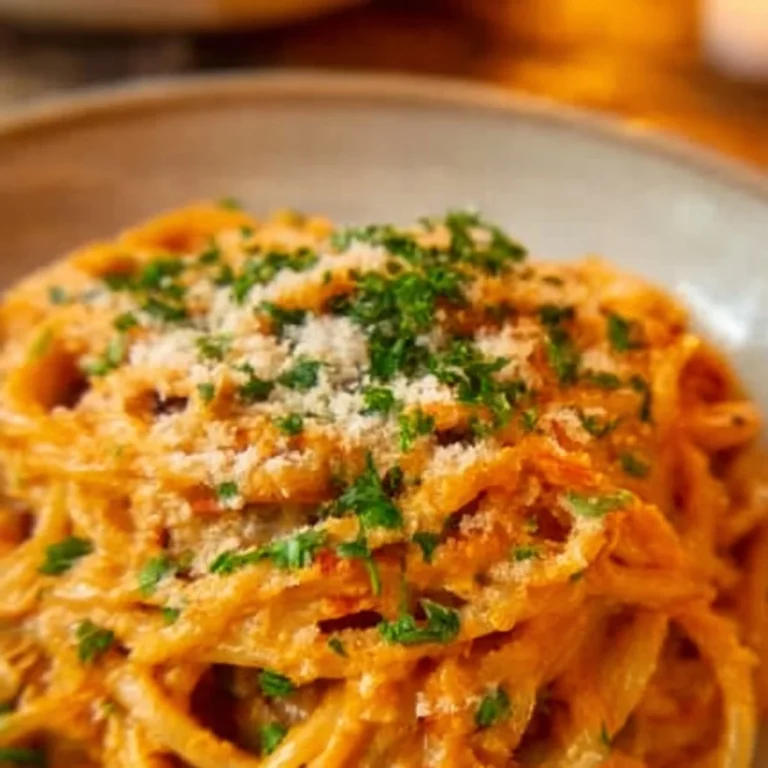
- Once the pasta and sauce are fully combined and heated through—about 1–2 minutes—taste and adjust seasonings. If the sauce needs brightness, add a small squeeze of lemon. Plate the pasta and finish with grated Parmesan, torn fresh basil leaves, and a drizzle of olive oil. Serve immediately.
Tips for success:
- Don’t over-roast the tomatoes to blackness; you want caramelized, jammy edges, not burned bitterness.
- Reserve enough pasta water—start with 2–4 tablespoons if you’re unsure and add more to adjust.
- If you prefer chunkier sauce, pulse the blender only a few times; for silky smooth, blend longer and add more water.
Common Mistakes to Avoid
Even simple recipes can trip you up. Here are the three mistakes I see most often, with quick fixes so you don’t repeat them.
Mistake 1: Over-roasting the tomatoes and garlic
Letting the tomatoes char too long can make the sauce taste bitter. Aim for blistered and caramelized, not black. If your oven runs hot, check 5 minutes earlier and remove once the edges have browned and juices are bubbling.
Mistake 2: Not reserving enough pasta water
Underestimating the value of pasta water is common. That starchy liquid is your secret emulsifier—add it gradually until the sauce clings to the pasta in a glossy way. Start with a few tablespoons and keep extra nearby.
Mistake 3: Adding cold ricotta directly to hot sauce without stirring
Cold ricotta can seize or make the sauce feel lumpy. To avoid this, either blend ricotta into the warm tomato mixture in a blender or stir it in off the direct heat and let a little of the hot pasta water warm it up slowly.
Serving Suggestions for Roasted Tomato and Garlic Ricotta Pasta
This pasta is a cozy main on its own, but a few simple sides transform it into a balanced, inviting meal.
I like to keep sides fresh and bright to offset the creaminess of the ricotta and the roasted depth of the tomatoes.
Simple green salad
A crisp salad of mixed greens, thinly sliced red onion, cucumber, and a light lemon-olive oil vinaigrette cuts richness and adds texture contrast.
Toasty bread or garlic bread
A crusty baguette or slices of toasted country bread are perfect for mopping up any leftover sauce. Brush with olive oil and toast, or add a light rub of garlic for warmth.
Light vegetable side
Roasted asparagus, sautéed spinach with garlic, or steamed green beans with lemon are easy sides that keep the plate bright and seasonal.
Conclusion
I hope this cozy Roasted Tomato and Garlic Ricotta Pasta feels like a meal you can make tonight without stress—roasting deepens flavor while ricotta keeps the sauce light and comforting. If you want to explore a version with an added crunch, I like this Creamy Roasted Tomato Ricotta Pasta with Crispy Prosciutto for a salty contrast, and for a classic approach check out Roasted Tomato & Ricotta Pasta | Italian Food Forever for more inspiration. Try it, tweak it, and tell me how you dressed it up—I love hearing what readers add to make a recipe their own.
FAQs About Roasted Tomato and Garlic Ricotta Pasta
Yes—prepare the roasted tomatoes and garlic up to two days ahead and keep them refrigerated in an airtight container. Store the blended sauce separately. Reheat gently on the stovetop with a little reserved pasta water and toss with freshly cooked pasta for best texture. Avoid fully tossing cooked pasta with sauce and refrigerating, as the pasta can soak up too much liquid and become gummy.
Absolutely. High-quality canned whole peeled tomatoes (like San Marzano) are a great substitute when fresh tomatoes aren’t in season. Drain them and briefly roast or sauté to deepen flavor before blending with the roasted or sautéed garlic and ricotta.
Store leftovers in an airtight container in the refrigerator for up to 3 days. Reheat on the stovetop over low heat with a splash of water or milk to bring the sauce back to a creamy consistency. Microwave works in a pinch, but stir frequently and add a little liquid.
I don’t recommend freezing the pasta once combined with ricotta; the texture can change and become grainy. You can freeze the roasted tomato-garlic mixture (without ricotta) for up to 3 months; thaw and blend with fresh ricotta when ready to serve.
Yes. This sauce is naturally mild and creamy, making it appealing to kids. Leave out chili flakes for little ones and serve plain with grated Parmesan on the side. You can also add small vegetables or cooked chicken for extra texture and protein if that helps picky eaters enjoy it.
Roasted Tomato and Garlic Ricotta Pasta
Ingredients
Method
- Preheat your oven to 200°C (400°F). Halve the tomatoes lengthwise and slice off the top of the garlic head.
- Arrange tomatoes cut-side up on a baking dish, and place the garlic head beside them.
- Drizzle with olive oil and season with salt and pepper.
- Roast the tomatoes and garlic for about 20 minutes, then cover with foil and roast for another 10 minutes.
- Bring a pot of salted water to a boil and cook the pasta until just al dente.
- Reserve about 240 ml (1 cup) of the pasta cooking water before draining.
- Squeeze the roasted garlic into a blender with the tomatoes, basil, ricotta, and chili flakes. Blend until smooth, adding reserved pasta water as needed.
- Warm a skillet over medium-low heat, add the sauce, and toss in the drained pasta. Adjust sauce consistency with more reserved water.
- Serve the pasta topped with Parmesan, fresh basil, and a drizzle of olive oil.