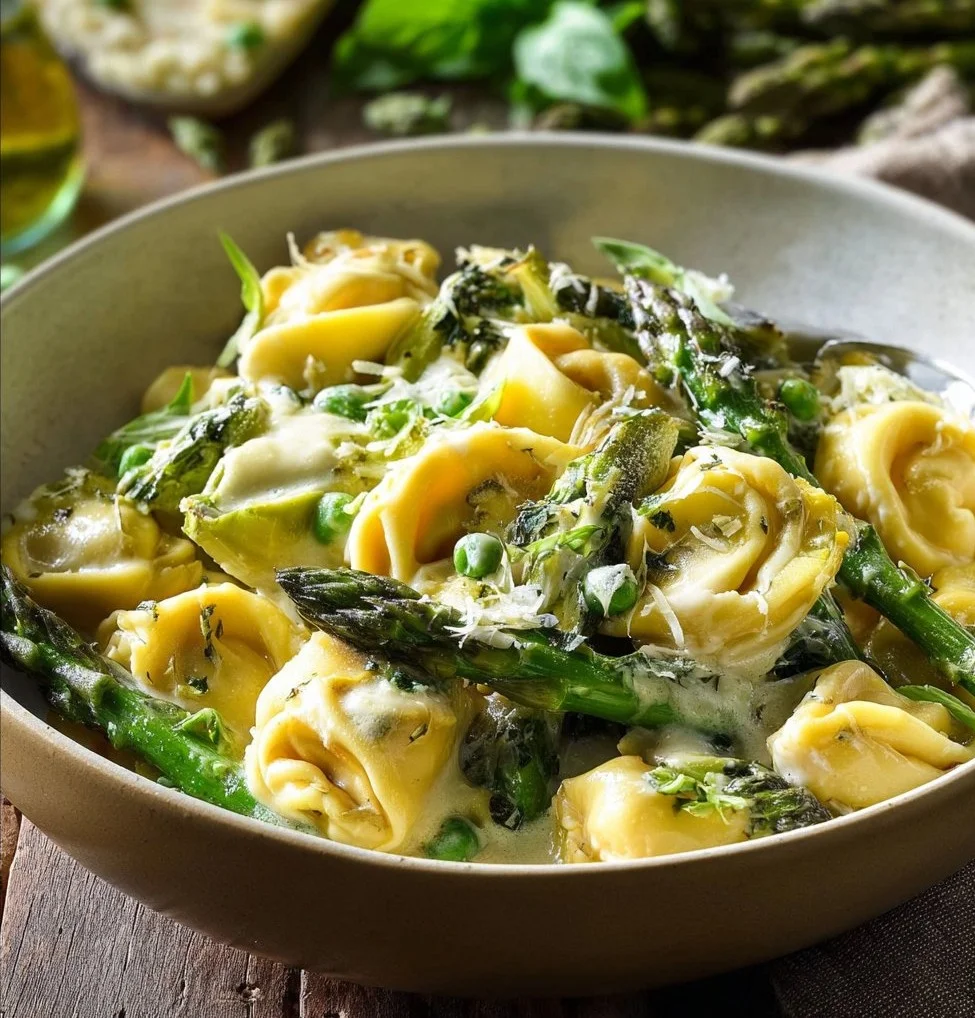
Pasta with Lemon Cream Sauce and Spring Vegetables
Have you ever stood in your kitchen midweek, craving something bright and comforting — a dish that feels like spring in a bowl? I remember a rainy Saturday when I threw this pasta together with whatever vegetables were in the crisper and laughed at how quickly it felt like a celebration. If you’re new to cooking pasta sauces, the trickiest part is often knowing when to stop simmering — but I promise this Pasta with Lemon Cream Sauce and Spring Vegetables is forgiving and perfect for beginners. It’s quick, has pantry-friendly steps, and if you need inspiration for light, veggie-forward pasta dishes, I like this healthy baked feta pasta with vegetables for variety.
A Quick Look at This Pasta with Lemon Cream Sauce and Spring Vegetables Recipe
This is a creamy, citrusy pasta starring lemon and freshly grated Parmesan as the flavor anchors. The bright spring vegetables (think broccoli, asparagus, sugar snap peas) add crunch and color while keeping the dish light. It’s great for busy weeknights because the pasta and veggies cook together, so you spend less time washing up. If you’re new to making cream-based sauces, this recipe is forgiving — the reserved pasta water helps you rescue the sauce if it gets too thick. Keep reading to get the full step-by-step and tips for customizing it to your taste.
Ingredients You’ll Need for Pasta with Lemon Cream Sauce and Spring Vegetables
Below I’ve broken the ingredients into what you really need, useful optional add-ons, and substitutions or shortcuts for busy cooks.
Essentials
- 4 tbsp (60 grams) butter
- 2 medium shallots, finely minced (or 1 small onion if needed)
- 3 medium garlic cloves, finely minced
- 1 large lemon, zested and juiced
- 1/2 tsp black pepper, or to taste
- 1/2 cup (120 mL) chicken or vegetable stock (vegetable stock keeps it vegetarian)
- 1 cup (240 mL) heavy whipping cream, room temperature
- 1 cup (80 grams) freshly grated Parmesan cheese, divided (reserve some for serving)
- 1/4–1/2 tsp kosher salt, or as desired
- 1/4 tsp dried chili flakes (optional — adds a gentle kick)
- 4 tbsp finely minced fresh herbs (parsley, basil, or thyme are lovely)
- 14 oz (400 grams) pasta of your choice (linguine, fettuccine, penne, or orecchiette)
- 5–6 cups fresh spring vegetables, cut into bite-sized pieces (broccoli florets, asparagus trimmed and cut into 1–2 inch pieces, sugar snap peas or green beans work wonderfully)
Optional add-ons
- A handful of baby spinach stirred in at the end for extra color and nutrients
- Toasted pine nuts or walnuts for crunch
- A sprinkle of lemon pepper or extra lemon zest at the table for brightness
- For ideas pairing lemony pasta flavors with other simple recipes, try this vegan pasta salad with lemon vinaigrette as a light side or meal-prep companion
Substitutions and shortcuts
- Butter: Use olive oil if you prefer a dairy-free or lighter fat; the sauce will be less rich but still tasty.
- Shallots: Use a small yellow or sweet onion if that’s what you have. Mince finely so it softens quickly.
- Heavy cream: Swap for half-and-half for a lighter sauce — it’ll be thinner, so reduce stock slightly or add a bit more cheese to thicken. For non-dairy, use a canned full-fat coconut milk (note: coconut flavor is sometimes detectable) or a creamy plant-based creamer.
- Parmesan: Use Pecorino Romano for a saltier, sharper bite, but reduce added salt. Pre-grated cheese works in a pinch but freshly grated melts and blends much better.
- Stock: If you don’t have stock, water plus a small knob of butter and a splash of soy sauce or miso can add umami.
- Pasta: Use any shape you love — long pasta holds the silky sauce, while short shapes trap vegetables and cheese. No time to boil? Use store-bought roasted vegetables to skip the blanch step.
How to Make Pasta with Lemon Cream Sauce and Spring Vegetables Step-by-Step
I’ll walk you through this like we’re cooking together. Take your time, prep your veg first, and have the reserved pasta water ready — it’s your secret weapon.
Prep and cook the pasta and vegetables
- Bring a large pot of salted water to a rolling boil (use about 1–1.5 tablespoons salt per 4–6 quarts/liters of water). Salted water seasons the pasta itself and brightens the final dish.
- Add 14 oz (400 g) of your pasta of choice and cook according to package directions, minus about 1 minute from the total cook time so the pasta is slightly under al dente. This helps it finish perfectly in the sauce.
- During the last 45 seconds of cooking, add 5–6 cups of bite-sized spring vegetables to the boiling pasta water — broccoli florets, trimmed asparagus, and green beans or sugar snap peas are wonderful. They’ll blanch quickly and stay bright and crisp.
- Once the vegetables are vibrant green and still slightly firm, scoop them out with a slotted spoon into a bowl or use tongs. This prevents overcooking.
- Reserve 1/2 cup of the pasta cooking water (very important!) then drain the pasta and return it to the pot or a large bowl.
Build the flavor base in a skillet
- In a large skillet over medium heat, melt 4 tablespoons (60 g) of butter. I like to use a wide skillet so you can toss everything later without crowding.
- Add the finely minced shallots and cook, stirring occasionally, until they’re softened and translucent — about 3–4 minutes. Don’t let them brown; we want sweetness, not caramelization.
Add garlic, lemon zest, and pepper
- Stir in the 3 minced garlic cloves, the zest of 1 large lemon, and 1/2 teaspoon of black pepper. Sauté just about 30–60 seconds until fragrant — garlic burns quickly, so watch it closely.
Create the creamy sauce
- Pour in 1/2 cup (120 mL) chicken or vegetable stock and 1 cup (240 mL) heavy whipping cream. Stir to combine and bring the mixture to a gentle simmer.
- Add 3/4 cup of the grated Parmesan (reserve the rest for serving). Stir until it melts into the sauce.
- Squeeze in the lemon juice from the zested lemon and let the sauce simmer for 2–3 minutes, stirring frequently, until it thickens slightly. You want a silky coat on the back of a spoon — it will thicken more as it cools.
- Taste, then season with 1/4–1/2 tsp kosher salt (start with less; Parmesan is salty) and the optional 1/4 tsp dried chili flakes if you like a hint of heat.
Combine pasta, vegetables, and sauce
- Add the drained pasta and the blanched vegetables to the skillet (or add the sauce to the pasta pot if your skillet isn’t large enough). Toss gently to coat everything evenly. If the sauce feels too thick or clings without spreading, add the reserved pasta water a tablespoon at a time until you reach the desired consistency. The starchy water helps the sauce cling to the pasta and creates a glossy finish.
- Stir in the remaining Parmesan and 4 tablespoons of minced fresh herbs. Adjust seasoning: more lemon for brightness, a pinch more salt if needed, or a grind of black pepper.
Plate and serve
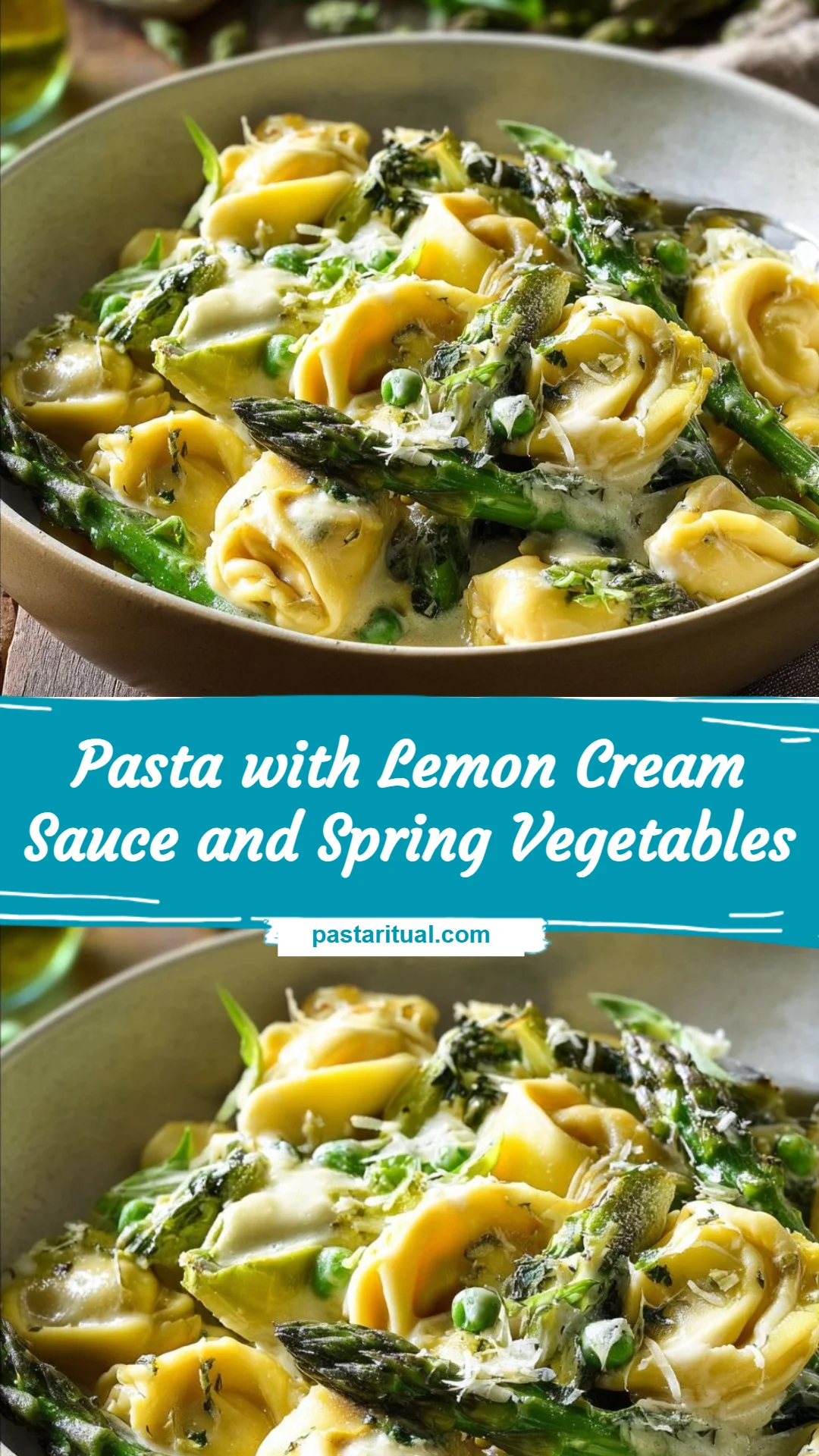
- Serve immediately with extra lemon zest, a scattering of fresh herbs, and the remaining Parmesan at the table. I like to add a light drizzle of good olive oil for shine. Enjoy right away — the texture is best hot and fresh.
Tips while cooking: keep your heat moderate — cream sauces can break if the pan is too hot. If the sauce separates, whisk in a splash of reserved pasta water off the heat to bring it back together.
Common Mistakes to Avoid
This recipe is forgiving, but a few missteps can leave you disappointed. Here are the most common things I see and how to fix them.
Often home cooks overcook the vegetables or the pasta, which robs the dish of texture and color. Keep an eye on timing and use the reserved pasta water to adjust sauce consistency.
Mistake 1: Overcooking the vegetables and pasta
Leaving veggies in the pot too long will make them dull and mushy, and soft pasta won’t bounce back in the sauce. Always add vegetables in the last 45–60 seconds of the pasta’s cooking time and remove them as soon as they turn bright green. Undercook pasta slightly so it finishes cooking in the sauce for perfect texture.
Mistake 2: Letting the cream sauce boil too hard
A rolling boil can cause cream to split (separate). Simmer gently and stir frequently. If your sauce starts to separate, remove the pan from heat and whisk in a tablespoon or two of reserved pasta water until it comes back together.
Mistake 3: Not using reserved pasta water
This is the secret to silky pasta. The starchy water helps thicken the sauce and helps it cling to the noodles. Add it slowly — a tablespoon at a time — until the sauce reaches a glossy, coat-the-pasta consistency.
Serving Suggestions for Pasta with Lemon Cream Sauce and Spring Vegetables
This pasta is flexible. It can be the main event, or part of a relaxed meal with a few simple sides. I like to keep the table light and seasonal.
Try one of these pairing ideas depending on the occasion and appetite.
Green salad with a bright vinaigrette
A simple mixed greens salad with a lemon or mustard vinaigrette adds freshness and a little bitterness to balance the cream. Thinly sliced cucumbers and radishes are nice when they’re in season.
Warm crusty bread or garlic toasts
A warm, crusty loaf or garlic-rubbed toast is perfect for mopping up every last bit of lemony cream. You can lightly toast slices and brush with olive oil, then sprinkle with flaky sea salt.
Light protein on the side
Serve grilled or pan-seared chicken breasts or baked salmon fillets for guests who want extra protein. Keep the seasoning simple (salt, pepper, olive oil) so the lemon cream sauce remains the star.
Conclusion
I hope this guide makes you feel ready to toss a pot of pasta and brighten it with fresh spring vegetables — it really is easier than it looks. If you’re curious about similar lemony, seasonal pasta ideas, check out Lemon Cream Pasta with Spring Vegetables for another take, and for a lighter, family-friendly option see Creamy Lemon Spring Vegetable Pasta – Two Peas & Their Pod. Make it your own: swap vegetables, add herbs you love, or toss in toasted nuts for crunch. When you make it, I’d love to hear how it turned out — leave a comment or share a photo.
FAQs About Pasta with Lemon Cream Sauce and Spring Vegetables
Store leftovers in an airtight container in the fridge for up to 3 days. The sauce may thicken as it cools; gently reheat in a skillet with a splash of water or milk to loosen it, stirring until warm and glossy.
You can prep the vegetables and grate the cheese ahead, but I recommend cooking the pasta and combining everything right before serving for the best texture. If you must make it early, undercook the pasta slightly and reheat gently with a little liquid.
Yes — use vegetable stock instead of chicken stock, and ensure your Parmesan is vegetarian-friendly (some cheeses use animal rennet). This keeps the dish fully meat-free while staying rich and satisfying.
Swap heavy cream for half-and-half or a mix of milk and cream for a lighter sauce, and use olive oil instead of butter if desired. Add more vegetables and reduce the amount of cheese to cut calories while keeping flavor.
Long noodles like linguine or fettuccine coat beautifully with the cream sauce, while short shapes like penne, orecchiette, or farfalle trap vegetables and cheese in their curves. Use whatever you have — the sauce is versatile.
Pasta with Lemon Cream Sauce and Spring Vegetables
Ingredients
Method
- Bring a large pot of salted water to a rolling boil.
- Add the pasta and cook according to package directions, minus about 1 minute.
- During the last 45 seconds of cooking, add the spring vegetables to the boiling water.
- Reserve 1/2 cup of the pasta cooking water then drain the pasta and vegetables.
- In a large skillet over medium heat, melt the butter.
- Add the shallots and cook until softened and translucent.
- Stir in the garlic, lemon zest, and black pepper. Sauté until fragrant.
- Pour in the stock and cream, and bring the mixture to a gentle simmer.
- Add 3/4 cup of the grated Parmesan and stir until melted.
- Squeeze the lemon juice and let the sauce simmer until it thickens.
- Add the drained pasta and blanched vegetables to the skillet.
- Toss gently to combine, adding reserved pasta water if needed.
- Stir in the remaining Parmesan and fresh herbs.
- Serve immediately with extra lemon zest and remaining Parmesan.