Pesto Ricotta Pasta
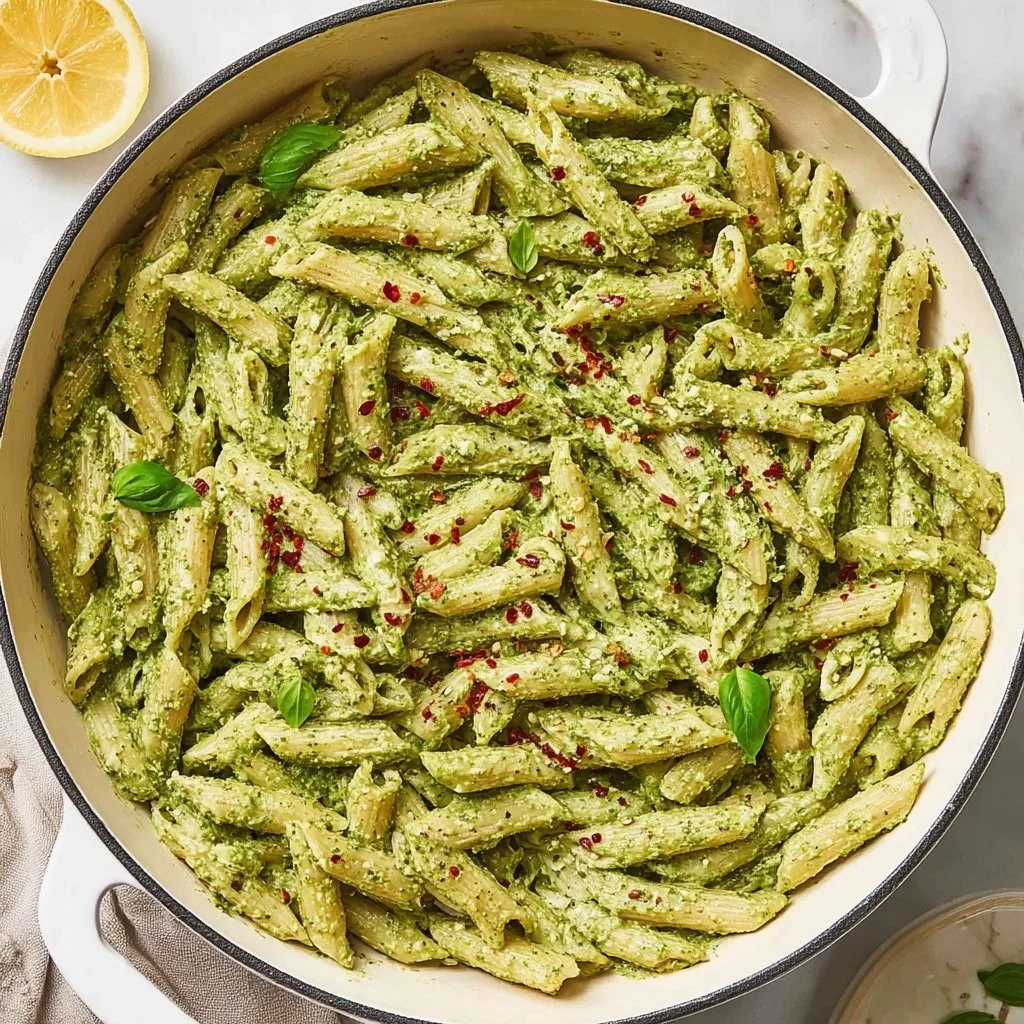
I can still taste the first forkful: warm penne, a silky green sauce, and that bright pop of lemon that made me grin right at the kitchen counter. Have you ever had a craving for something creamy and herby but felt intimidated because ricotta sounds fancy or pesto feels like a chef-only thing? I get it — as a home cook I’ve tripped over “simple” recipes before. This Pesto Ricotta Pasta is one of those recipes that looks restaurant-y but is genuinely stress-free for beginners. If you love easy pasta dishes, you might also enjoy a lighter summer spin like my take on caprese pesto pasta salad for warm-weather meals.
A Quick Look at This Pesto Ricotta Pasta Recipe
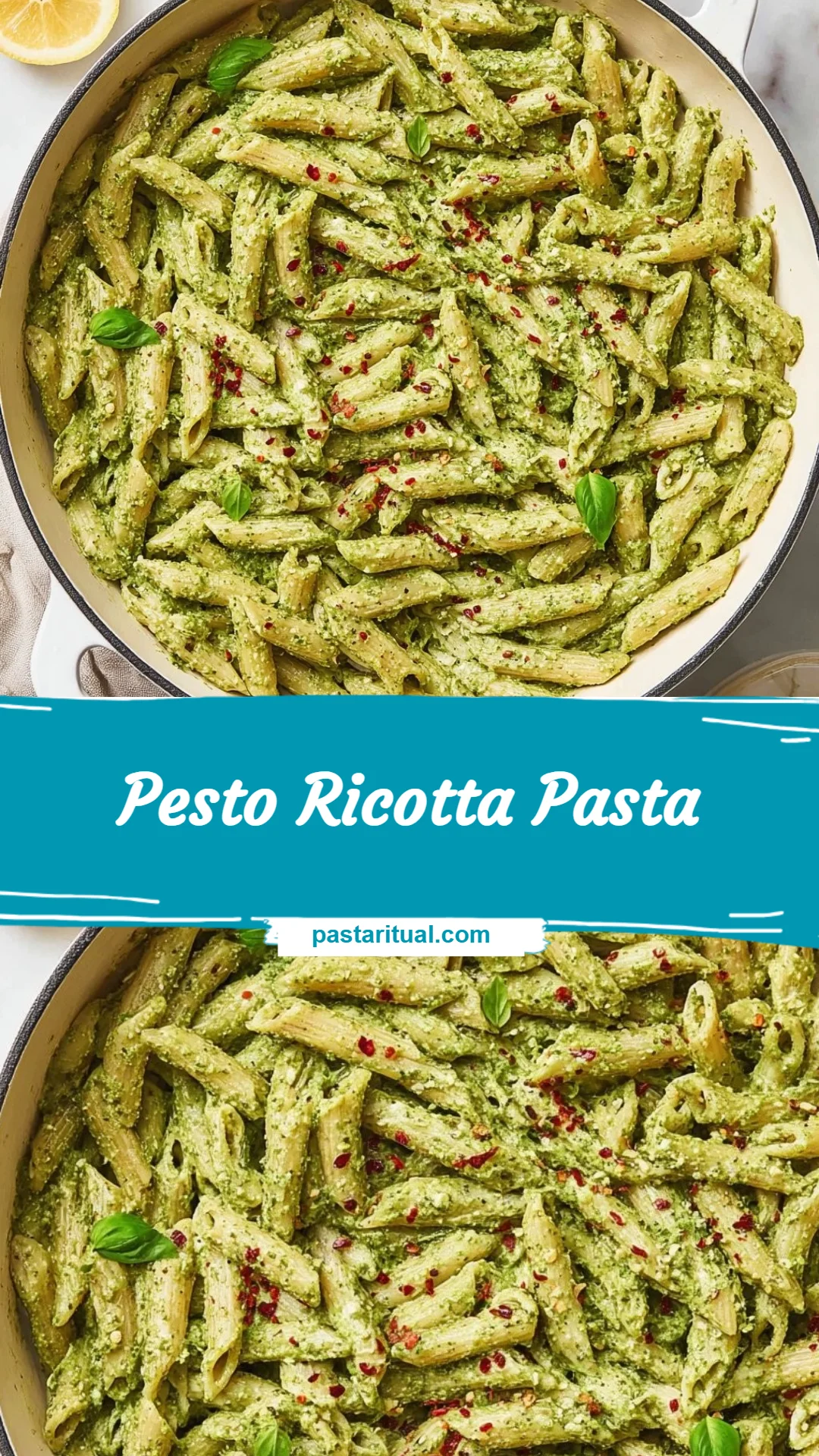
This Pesto Ricotta Pasta combines vibrant pesto and creamy ricotta to make a silky, comforting sauce. The main players are pesto sauce and full-fat ricotta — they do the heavy lifting for flavor and texture. It’s quick to make, and reserving pasta water helps the sauce cling to the pasta for a restaurant-style finish. This recipe is great for home cooks and beginners because it uses simple steps and pantry-friendly seasonings. Scroll down for a detailed, beginner-friendly method and helpful tips so your pasta turns out perfectly every time.
Ingredients You’ll Need for Pesto Ricotta Pasta
Essentials
- 8 ounces dry penne pasta — or any short pasta you love (rigatoni, ziti, or fusilli work well)
- ½ cup pesto sauce (I use homemade without pine nuts) — basil-forward and garlicky
- ½ cup full-fat ricotta cheese — the cream that makes the sauce luxuriously smooth
- ¾ cup reserved pasta cooking water — the secret emulsifier that brings the sauce together
- ½ teaspoon salt — to season the sauce (adjust depending on your pesto saltiness)
- ½ teaspoon garlic powder — adds a gentle, even garlic background without overpowering
- ½ teaspoon crushed red pepper flakes — optional but I like the little heat contrast
- 1 teaspoon fresh lemon zest — brightens the whole dish
- 1 tablespoon fresh lemon juice — balances the richness with fresh acidity
- ¼ cup shredded Parmesan cheese — for serving
- Fresh basil leaves — for garnish and extra herb aroma
Optional add-ons
- A handful of cherry tomatoes, halved — for color and sweet acidity
- Cooked chicken breast, shredded or diced — for extra protein
- Sautéed mushrooms or roasted cherry tomatoes — deepen the savory notes
- A tablespoon of olive oil or a pat of butter — add if you want extra gloss and flavor
- Toasted walnuts or almonds — if you want some crunch (skip if nut-free)
- Extra grated Pecorino Romano instead of or alongside Parmesan for a sharper finish
Substitutions and shortcuts
- Pasta: Swap penne for other shapes like farfalle, cavatappi, or rotini. Long pasta? Use linguine or spaghetti, but drain carefully.
- Pesto: Use store-bought pesto to save time. Since this recipe calls for no pine nuts, look for or make pesto with basil, garlic, Parmesan, olive oil, and sunflower seeds or no nuts at all.
- Ricotta: If you’re in a pinch, mascarpone can stand in for ricotta for an even silkier result; Greek yogurt mixed with cream cheese (3:1) can be a lower-fat substitute but changes texture.
- Parmesan: Grana Padano or Pecorino Romano are fine substitutes — taste as you go since salt levels vary.
- Make-ahead shortcut: Mix pesto and ricotta ahead of time and store in the fridge; stir in warm pasta water when ready to serve to finish.
How to Make Pesto Ricotta Pasta Step-by-Step
I’ll walk you through every step like we’re cooking side by side. Read each step before you start so nothing surprises you.
- Prep everything first.
- Measure the pesto, ricotta, lemon juice, and zest. Have your salt, garlic powder, and red pepper flakes ready. If you’re using optional add-ons like cherry tomatoes or cooked chicken, have them prepped now. Cooking goes faster if all ingredients are ready.
- Bring a large pot of salted water to a rolling boil.
- Use plenty of water so the pasta can move freely. I add about 1-2 tablespoons of salt to a large pot (it should taste like the sea). This seasons the pasta from the inside out.
- Cook the penne until al dente.
- Add the 8 ounces of penne and cook according to package directions, usually 9–11 minutes for penne. Start checking a minute or two before the lower end of the time range by tasting a piece — it should be tender with a slight bite. Don’t overcook; al dente will hold up better when tossed with the sauce.
- Reserve pasta cooking water before draining.
- Scoop out and set aside ¾ cup of the starchy cooking water. Use a heat-proof measuring cup or a bowl. This water is gold — it helps make the sauce creamy without adding dairy or fat. Then drain the pasta in a colander.
- Warm the pesto gently.
- While the pasta cooks, heat a large skillet over low heat. Add the ½ cup pesto sauce and gently warm it for about a minute, stirring so it loosens and the oils become silky. Keep the heat low to avoid browning the garlic or basil, which would change the flavor.
- Add the ricotta and combine.
- Spoon in the ½ cup full-fat ricotta cheese and stir to combine with the warmed pesto. The goal is a smooth, creamy green base — break up any thicker lumps of ricotta with your spoon or spatula. Keep the mixture on low heat; you’re just loosening it, not cooking it.
- Emulsify with pasta water.
- Gradually add the reserved ¾ cup pasta cooking water, a little at a time. Stir after each addition. The starch in the water binds with the fat from pesto and ricotta to create a silky sauce that clings to the pasta. Add just enough to reach a sauce consistency you like — I often use ½–¾ cup depending on how saucy I want it.
- Season and brighten.
- Stir in ½ teaspoon salt (or to taste), ½ teaspoon garlic powder, ½ teaspoon crushed red pepper flakes, 1 teaspoon lemon zest, and 1 tablespoon lemon juice. Taste and adjust — if your pesto was very salty, cut back on added salt. If it’s too rich, add a splash more pasta water or another teaspoon of lemon juice.
- Finish by tossing the pasta in the skillet.
- Add the drained penne to the skillet and toss gently but thoroughly until every piece is coated. Use tongs or a pasta fork. If the sauce tightens up, add another splash of pasta water.
- Plate and garnish.
- Divide the pasta among plates or bowls. Sprinkle each portion with ¼ cup shredded Parmesan cheese (or sprinkle as desired), and tuck a few fresh basil leaves on top for aroma and a pretty finish. Serve immediately while it’s warm and glossy.
- Leftovers and reheating tips.
- Store leftovers in an airtight container in the fridge for up to 2 days. When reheating, add a splash of water or milk and warm gently in a skillet to restore creaminess. Avoid microwaving too long, or the ricotta may separate.
Common Mistakes to Avoid
Even simple recipes can go wrong if you rush or skip little steps. Below are a few common mistakes I see home cooks make and how to avoid them so your Pesto Ricotta Pasta stays silky and bright.
Mistake 1: Not reserving enough pasta water
That starchy water is what turns two separate ingredients — pesto and ricotta — into one cohesive sauce. If you don’t reserve enough, the sauce can be thick and clumpy. Always scoop out at least ¾ cup before draining; you can always add less, but you can’t add it back after you’ve poured everything away.
Mistake 2: Using high heat and overheating the pesto or ricotta
Pesto and ricotta don’t like high heat. Basil and ricotta can lose their fresh flavors if cooked at high temperatures, and cheese can become grainy. Warm the pesto and ricotta over low heat and only long enough to loosen them; then finish emulsifying with pasta water off the heat if needed.
Mistake 3: Skipping the tasting and adjusting step
Pesto varies widely in salt and garlic levels. Taste the sauce after you combine the ricotta and pesto, and after you add lemon and seasoning. You might need less salt or a touch more lemon. Taste often — it’s the quickest way to a balanced dish.
Serving Suggestions for Pesto Ricotta Pasta
This Pesto Ricotta Pasta is cozy on its own, but I love turning it into a full meal with simple sides and small touches. Here are a few easy ways to serve it so dinner feels complete and balanced.
Light salad and crisp vegetables
A crisp green salad with lemon vinaigrette pairs beautifully — think baby arugula, cucumber, and shaved fennel. The acidity and crunch cut through the richness of the sauce.
Protein ideas for heartier meals
To make this a main course with more staying power, top the pasta with sliced grilled chicken, sautéed shrimp, or white beans. All are quick to prepare and soak up the pesto flavors.
Bread and finishing touches
Serve with warm crusty bread or garlic toast to mop up any remaining sauce. A light drizzle of extra-virgin olive oil and a sprinkle of flaky sea salt over the plated pasta gives it a simple finish that feels indulgent.
(If you like exploring variations served cold for picnics, check out a tangier twist like the bloody mary shrimp pasta salad recipe I’ve experimented with — it’s a fun summer idea and uses similar flavor thinking.)
Tips, Variations, and Make-Ahead Ideas
I love dishes that are flexible. Here are a few of my favorite tricks to make this recipe fit your schedule and pantry.
- Swap pasta shapes: Short, ridged pasta catches the sauce best — penne and rigatoni are ideal, but twists and elbows work too.
- Make it gluten-free: Use your favorite GF penne and check the pesto to ensure no gluten-containing additives.
- Add greens: Stir in a couple of handfuls of baby spinach or arugula right at the end; the heat wilts them gently into the sauce.
- Make-ahead sauce: Mix pesto and ricotta in a jar and chill for up to two days. When it’s time to serve, warm with pasta water and toss with freshly cooked pasta.
- Creamier finish: For an ultra-luxe version, stir in 1–2 tablespoons of mascarpone or unsalted butter at the end.
- Nut-free pesto: If you need to avoid nuts, replace pine nuts with toasted sunflower seeds or omit nuts entirely — the recipe still sings.
Storage and Reheating
- Refrigerate leftover Pesto Ricotta Pasta in an airtight container for up to 2 days.
- Reheat in a skillet over low heat with a splash of water or milk to revive the sauce’s creaminess.
- Avoid long microwave heats; they can make the ricotta texture grainy.
- If you want to freeze, freeze the sauce alone (not ideal with ricotta but possible) in a sealed container for up to 1 month. Thaw overnight in the fridge and re-emulsify with warm pasta water when reheating.
Conclusion
I promise this Pesto Ricotta Pasta is easier than it looks — the ricotta and pesto do most of the work, and a little pasta water turns them into a silky, clingy sauce. It’s also endlessly customizable: add veggies, toss in protein, or switch the pasta shape to suit what you have on hand. Cozy, quick, and beginner-approved, it’s one of those dinners I reach for when I want comfort without fuss. If you want more inspiration for similar dishes and alternative pesto ideas, I like the accessible approach in Easy Pesto Ricotta Pasta – Snacking Emily and the whipped-ricotta technique in Restaurant-Worthy Pesto Pasta with Whipped Ricotta (25 Minutes). Give this recipe a try tonight and let me know how you twist it to make it your own.
FAQs About Pesto Ricotta Pasta
Yes — you can mix the pesto and ricotta up to 48 hours ahead and store it in the fridge. When ready to serve, warm the mixture gently and finish with reserved hot pasta water after cooking pasta. The finished pasta keeps in the fridge for up to 2 days, but the texture is best when eaten fresh.
Absolutely. This sauce pairs well with many shapes; short, ridged pastas like penne, fusilli, and rigatoni are ideal because they catch the sauce. Use a good-quality gluten-free penne if you need GF — the technique is the same.
Keep heat low when warming pesto and ricotta; high heat can separate the oils and make cheese grainy. Emulsify slowly with reserved pasta water and add liquid gradually. If it tightens, add another splash of pasta water to smooth it out.
Yes. Store-bought pesto is a great shortcut. Taste it first and adjust added salt, lemon, or garlic to balance flavors. Since jarred pesto varies in saltiness and oil content, reserve the pasta water to achieve the right consistency.
Chicken, shrimp, white beans, and sautéed mushrooms are all excellent additions. For vegetables, cherry tomatoes, blanched asparagus, or wilted spinach work beautifully. Add cooked proteins at the end so they mix into the sauce without overcooking.
Q1:
Pesto Ricotta Pasta
Ingredients
Method
- Measure the pesto, ricotta, lemon juice, and zest. Have your salt, garlic powder, and red pepper flakes ready.
- Bring a large pot of salted water to a rolling boil.
- Cook the penne until al dente according to package directions.
- Reserve ¾ cup of pasta cooking water before draining pasta.
- Gently warm the pesto in a skillet over low heat.
- Add the ricotta and stir to combine.
- Gradually add the reserved pasta cooking water until desired sauce consistency is reached.
- Stir in the salt, garlic powder, red pepper flakes, lemon zest, and lemon juice, adjusting to taste.
- Add the drained pasta to the skillet and toss until well coated.
- Divide the pasta among plates, sprinkle with Parmesan cheese, and garnish with fresh basil.