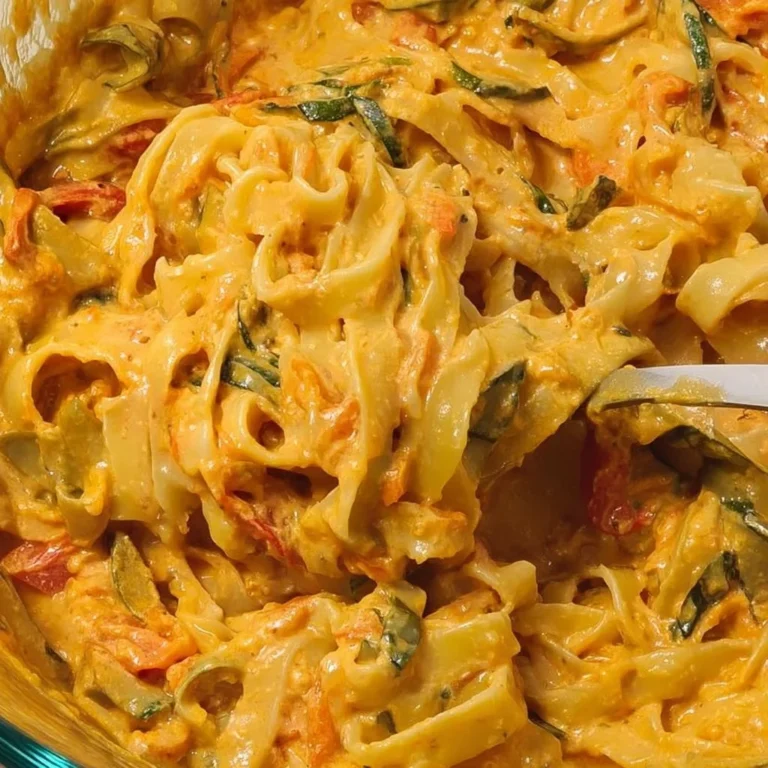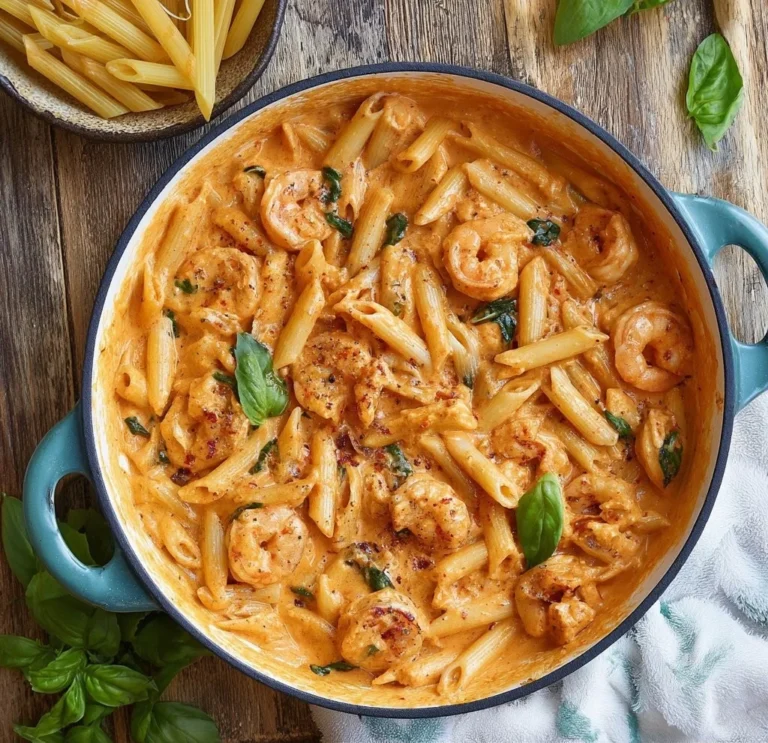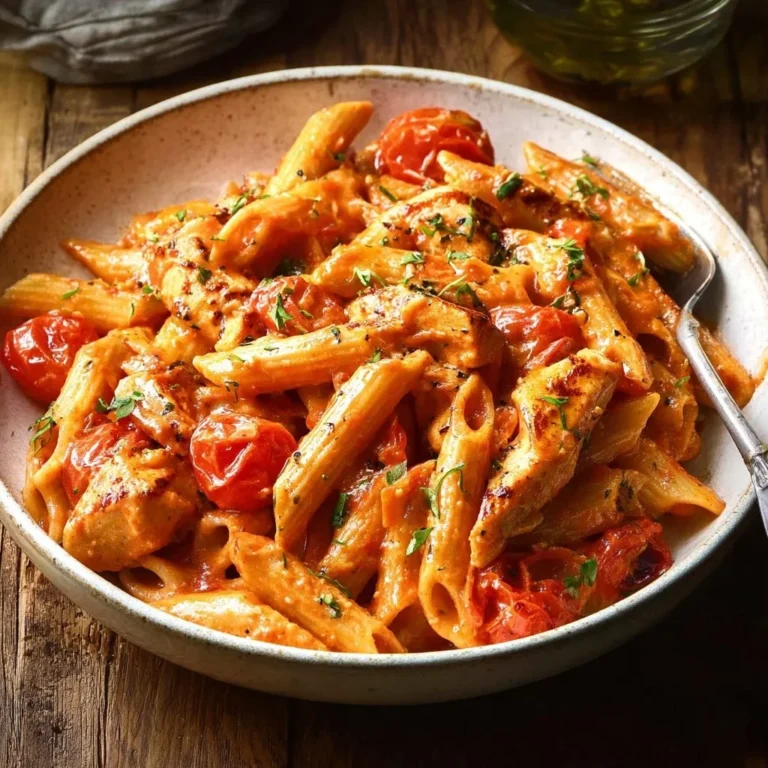
White Cheddar Chicken Pasta
A warm, cheesy aroma curling through the kitchen—sharp white cheddar melting into a silky sauce, tender bites of chicken, and al dente pasta that holds every luscious strand—this is the kind of comfort that feels quietly luxurious. Yet I know the hesitation: rich-sounding dishes can feel fussy, time-consuming, or intimidating to execute well at home. I promise this White Cheddar Chicken Pasta delivers that restaurant-quality depth and sheen without complicated technique—just a few dependable steps, attention to seasoning, and a few smart shortcuts I often rely on when entertaining or cooking for a busy weeknight. If you like, you can pair it with a crisp side like my chicken Caesar pasta salad for a lighter counterpoint to the richness (an elegant chicken Caesar pasta salad).
A Quick Look at This White Cheddar Chicken Pasta Recipe
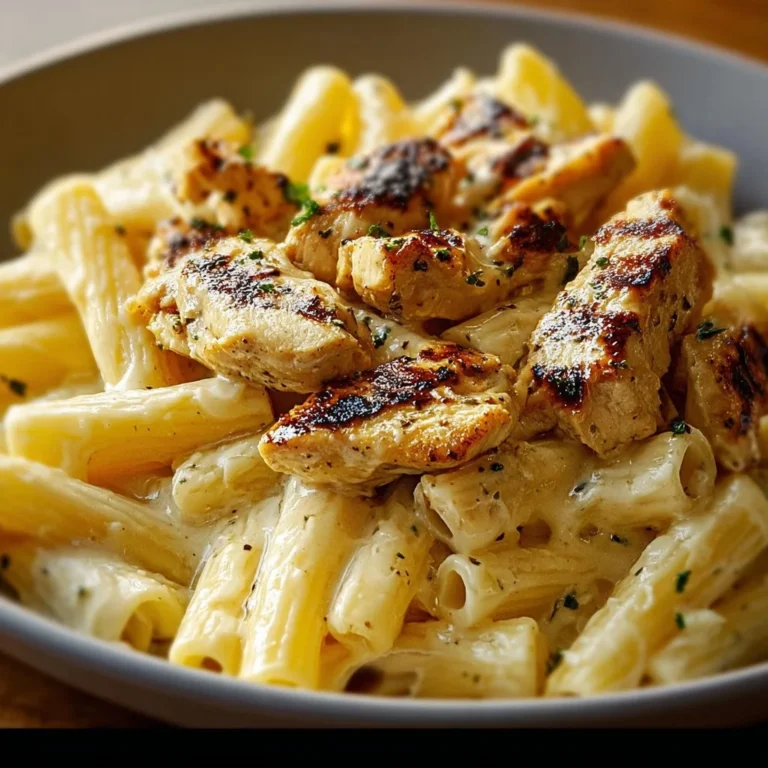
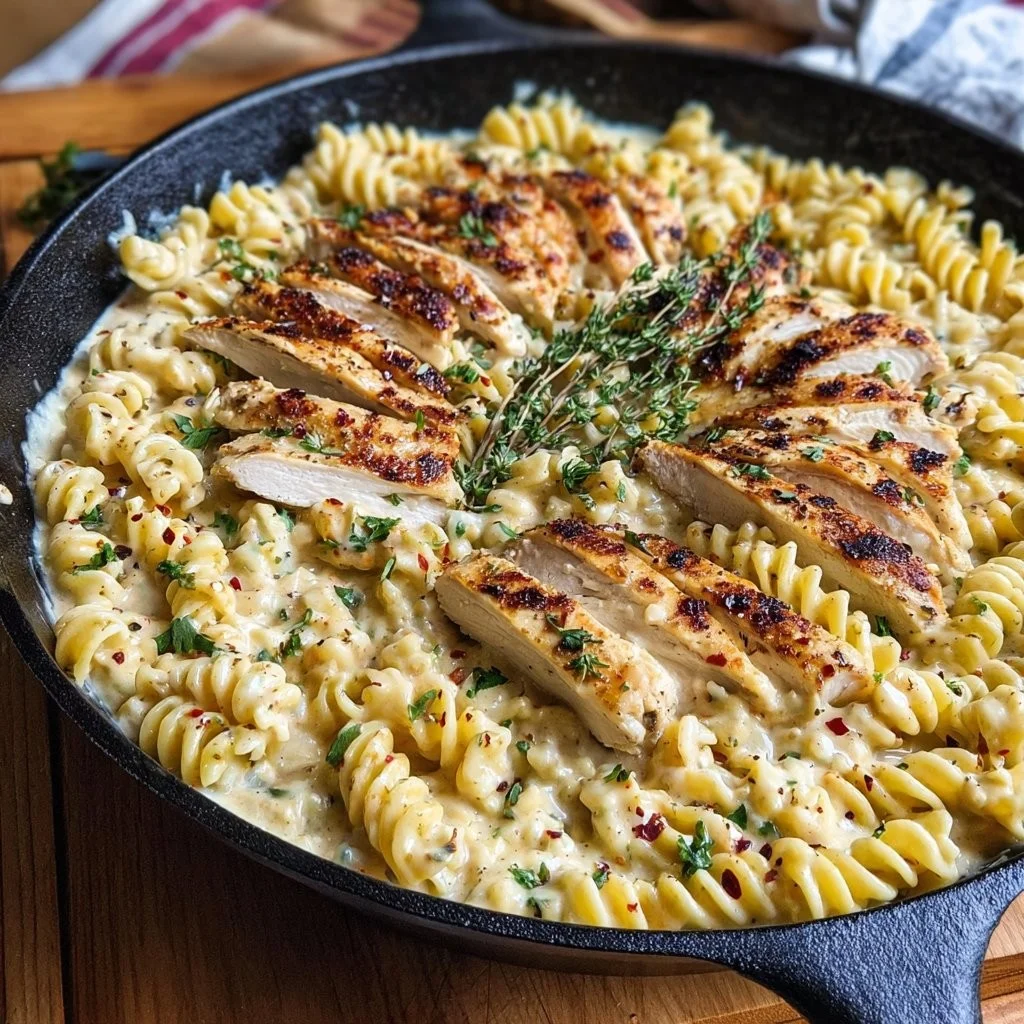
This White Cheddar Chicken Pasta pairs sharp white cheddar and roasted garlic to create a creamy, savory sauce that clings to your pasta. Juicy pan-seared chicken adds meaty substance while fresh lemon and herbs lift the richness for balance. The dish looks and tastes special—creamy, slightly tangy, and with a luxurious sheen—yet it’s achievable in under an hour with straightforward steps. It’s versatile for weeknight dinners, casual dinner parties, or meal-prep lunches; keep reading to discover small techniques that make a big difference.
Ingredients You’ll Need for White Cheddar Chicken Pasta
Essentials
- 12 ounces pasta (penne, cavatappi, or fusilli recommended) — shapes that trap sauce work best for texture.
- 1½ pounds boneless, skinless chicken breasts or thighs — I use breasts for lean slices; thighs add more flavor and juiciness.
- 2 tablespoons unsalted butter — for starting the sauce and building flavor.
- 2 tablespoons olive oil — for searing the chicken with a high smoke point.
- 1 medium onion, finely diced — for a sweet, savory foundation.
- 3–4 cloves garlic, minced (or 1 head roasted garlic, mashed) — garlic is essential; roasting mellows and deepens the flavor.
- 2 cups whole milk or 2% milk — provides creaminess without heaviness; for extra silk, use part cream.
- 1 cup low-sodium chicken broth — adds savory depth and controls sauce consistency.
- 8 ounces white cheddar, freshly grated — freshly grated melts smoothly; sharpness defines the dish.
- 2 teaspoons Dijon mustard — brightens and stabilizes the sauce.
- 1–2 tablespoons lemon juice — cuts through the richness with acidity.
- Salt and black pepper, to taste
- Fresh herbs: parsley or chives, finely chopped — for brightness and color.
- Optional flaky sea salt for finishing
Notes on quality: Use a good white cheddar—aged enough to be flavorful but not crumbly. Freshly grated cheese melts best; pre-shredded cheese often contains anti-caking agents that impede smooth melting.
Optional Add-ons
- A handful of baby spinach or arugula — stirred in at the end for color and a peppery counterpoint.
- Steamed or roasted broccoli florets — for texture and green balance.
- Crumbled crisped prosciutto or toasted pine nuts — for crunch (avoid if keeping it purely chicken-focused).
- A pinch of smoked paprika or red pepper flakes — for warmth or subtle smoke.
- A splash of truffle oil (very small) — for a decadent finish on special occasions.
Substitutions and Shortcuts
- Pasta: Swap any short pasta you love—rigatoni, fusilli, or campanelle are all excellent. For a lighter option, use whole-wheat or chickpea pasta, though cook times will vary.
- Chicken: Use leftover rotisserie chicken for a fast shortcut; simply shred or cube and fold into the sauce at the end.
- Cheese: If white cheddar isn’t available, a sharp young cheddar or a blend of white cheddar and Gruyère will keep the flavor profile creamy and nuanced.
- Dairy: Substitute half-and-half or light cream for milk for a richer sauce; to lighten, use all milk and increase the Dijon and lemon slightly to maintain flavor intensity.
- Quick garlic flavor: If you’re short on time, use a teaspoon of roasted garlic paste or a small spoonful of store-bought roasted garlic rather than roasting a whole head.
- Meal-prep inspiration: If you’re building weekly dinners around poultry and pasta, I often adapt protein and seasoning from other dishes like my chicken sausage pasta meal prep ideas to change the rhythm of meals without extra effort.
How to Make White Cheddar Chicken Pasta Step-by-Step
I’ll walk you through a refined, dependable method that produces a glossy, well-seasoned sauce and perfectly cooked chicken. The key is timing: cook the pasta and chicken almost simultaneously so everything comes together hot and fresh.
Prep everything first. Grate the white cheddar, dice the onion, mince the garlic, and season the chicken with salt and pepper. Having mise en place reduces stress and keeps the rhythm smooth—the sauce comes together quickly, and you won’t be tempted to overcook the chicken while looking for an ingredient.
Bring a large pot of salted water to a rolling boil for the pasta. Add a tablespoon of salt to the water—this seasons the pasta from the inside and is essential for balanced final flavors. Cook the pasta 1–2 minutes less than package instructions for al dente; it will finish cooking in the sauce and absorb flavor without becoming mushy.
Sear the chicken. Heat a large skillet over medium-high heat and add the olive oil. Pat the chicken dry—this ensures a golden, flavorful crust. Sear the chicken 4–5 minutes per side (depending on thickness) until golden and just cooked through (internal temperature 160–165°F). Remove from the pan and let rest on a cutting board; rest keeps juices locked in. If breasts are thick, slice them in half horizontally or pound lightly for even cooking.
In the same skillet, reduce heat to medium and add the butter. Use the chicken pan drippings for extra flavor; if there’s any browning, deglaze the pan with a small splash (about ¼ cup) of chicken broth, scraping up the fond—those browned bits are concentrated flavor that will enrich your sauce.
Sauté the onion and garlic. Add the diced onion to the skillet and cook until translucent and slightly caramelized, about 4–6 minutes. Stir in minced garlic and cook until fragrant, about 30 seconds. If you roasted a head of garlic, mash the cloves and add them now for a mellow, sweet depth.
Build the sauce. Pour in the remaining chicken broth and the milk, stirring to combine. Add Dijon mustard and a generous pinch of salt and black pepper. Bring to a gentle simmer, which lets the liquids reduce slightly and concentrate flavor; avoid boiling, which can cause dairy to separate.
Melt in the white cheddar slowly. Lower the heat to medium-low and add the freshly grated white cheddar in small handfuls, stirring constantly until each addition is fully melted into a smooth sauce. If the sauce seems too thick, whisk in a splash more milk or reserved pasta water (this starchy water helps the sauce cling to the pasta). A smooth, velvety texture is the signature of a great cheese sauce.
Brighten and finish. Stir in the lemon juice, taste for seasoning, and adjust with salt and pepper. The acid pulls the flavors together and prevents the cheese from tasting heavy.
Combine pasta, chicken, and sauce. Drain the pasta, reserving about ½ cup of pasta water. Add the drained pasta to the skillet and toss to coat, adding reserved pasta water as needed to reach a silky consistency. Slice or cube the rested chicken and fold it into the pan. Warm everything together for a minute so the chicken is heated through and the sauce clings beautifully.
Finish with herbs and texture. Remove from heat and fold in chopped parsley or chives. For contrast, add a handful of wilted spinach or a sprinkle of toasted nuts. Taste one last time and adjust with a final squeeze of lemon or a pinch of flaky sea salt.
Plate with intention. Serve in warmed bowls, garnishing with more grated white cheddar, a drizzle of good olive oil, and fresh herbs. I love the glossy finish that a small pat of butter or a whisper of extra virgin olive oil gives at the end.
Why these steps matter: Searing the chicken creates Maillard flavors; using pan drippings and deglazing adds depth. Gradual cheese incorporation and gentle heat prevent grainy sauce. Reserved pasta water is the secret binder—its starch makes the sauce cling like restaurant-quality emulsions.
Common Mistakes to Avoid
Cooking is a process of small adjustments; missteps are learning opportunities that teach you how to read textures and flavors. Below are the three most common missteps I see with cheesy pasta dishes and how to recover from or avoid them.
Mistake 1: Overheating the cheese sauce
Heat the cheese gently. High heat can cause the cheese to separate and become grainy. If your sauce starts to look oily or clumpy, remove the pan from the heat and whisk in a splash of milk or warm pasta water to bring it back together.
Mistake 2: Cooking pasta to mush
Undercook the pasta slightly (al dente) because it will finish cooking when combined with the sauce. Overcooked pasta lacks bite and will absorb too much sauce, making the dish gummy. Time the pasta so it finishes in the skillet with the sauce for ideal texture.
Mistake 3: Undersalting or over-salting early
Salt layers: the pasta water, chicken seasoning, and sauce all need seasoning. Taste as you build the dish—especially after adding the cheese—and adjust gradually. If you oversalt the sauce, a splash of unsalted milk or a squeeze of lemon can help balance it.
Serving Suggestions for White Cheddar Chicken Pasta
This dish is indulgent but can be presented with intention so it reads as refined and balanced. Think about contrast—color, texture, acidity—and serve in simple ways that highlight the sauce.
Elegant family-style plating
Serve directly from the skillet onto a warmed platter, finishing with chopped parsley, a scatter of microgreens, and a sprinkling of finely grated white cheddar. The communal presentation encourages sharing and feels restaurant-worthy.
Light, balanced sides
Pair with a crisp green salad dressed in lemon vinaigrette or a shaved fennel and apple salad to cut the richness. Steamed green beans or quickly roasted asparagus add freshness and a pleasant snap against the creamy pasta.
Occasion and timing
For a cozy weeknight, serve with crusty bread and a glass of chilled sparkling water with citrus. For a celebratory dinner, start with a simple roasted beet salad and finish with a light lemon sorbet. The pasta is versatile enough for both approachable midweek dinners and elevated weekend entertaining.
Conclusion
I hope this guide convinces you that White Cheddar Chicken Pasta is both luxurious and within reach—you don’t need advanced techniques, just patience with heat and a few quality ingredients. It’s a flexible template: swap proteins, fold in seasonal greens, or adjust the cheese blend to suit your mood. If you’d like a little inspiration or a different take on the same comforting theme, I often look to trusted recipes for nuance and technique, such as a well-loved White Cheddar Chicken Pasta recipe at The Cozy Cook which offers a complementary perspective on this classic flavor pairing: a well-loved White Cheddar Chicken Pasta recipe on The Cozy Cook. Now, gather your grater and skillet—there’s a simple, stunning dinner waiting.
FAQs About White Cheddar Chicken Pasta
Yes—prepare components separately for best results. Cook the pasta al dente and toss it with a touch of olive oil to prevent sticking. Keep the sauce and chicken chilled. Reheat gently on the stove, adding a splash of milk or reserved pasta water to restore the sauce’s silkiness before combining everything.
Cheese-based sauces can change texture when frozen. I recommend freezing the chicken separately or the cooked pasta, and making the cheese sauce fresh. If you must freeze, cool quickly and store in an airtight container; thaw gently and whisk in hot milk when reheating to smooth the sauce.
Use lower-fat milk or a blend of milk and a small touch of cream, increase the brightness with extra lemon juice and fresh herbs, and add vegetables like spinach or roasted broccoli to stretch the dish and add nutritional balance while keeping the satisfying taste.
Grate the cheese fresh and add it slowly over gentle heat while stirring. Avoid boiling the sauce, and use reserved pasta water to help the sauce emulsify and cling to the pasta. Dijon mustard and a small acid like lemon juice also help keep the sauce cohesive.
Absolutely. Rotisserie chicken is a wonderful shortcut—toss it into the sauce at the end to warm through. It saves time and still absorbs the sauce flavors beautifully, making this recipe even more approachable for busy evenings.
White Cheddar Chicken Pasta
Ingredients
Method
- Prep everything first. Grate the white cheddar, dice the onion, mince the garlic, and season the chicken with salt and pepper.
- Bring a large pot of salted water to a rolling boil for the pasta. Cook the pasta 1–2 minutes less than package instructions for al dente.
- Heat a large skillet over medium-high heat and add olive oil.
- Sear the chicken for 4–5 minutes per side until golden and just cooked through. Remove from the pan and let rest.
- In the same skillet, reduce heat to medium and add butter; then sauté the onion until translucent.
- Add minced garlic and cook until fragrant.
- Pour in chicken broth and milk, then add Dijon mustard, salt, and pepper. Bring to a gentle simmer.
- Lower heat to medium-low and melt in the white cheddar, stirring until fully melted.
- Stir in lemon juice, taste, and adjust seasoning.
- Add drained pasta to the skillet and toss to coat, adding reserved pasta water as needed.
- Slice or cube the rested chicken and fold into the pan, warming everything for a minute.
- Remove from heat and fold in chopped parsley or chives.
- Serve in warmed bowls, garnishing with more grated cheese and a drizzle of olive oil.