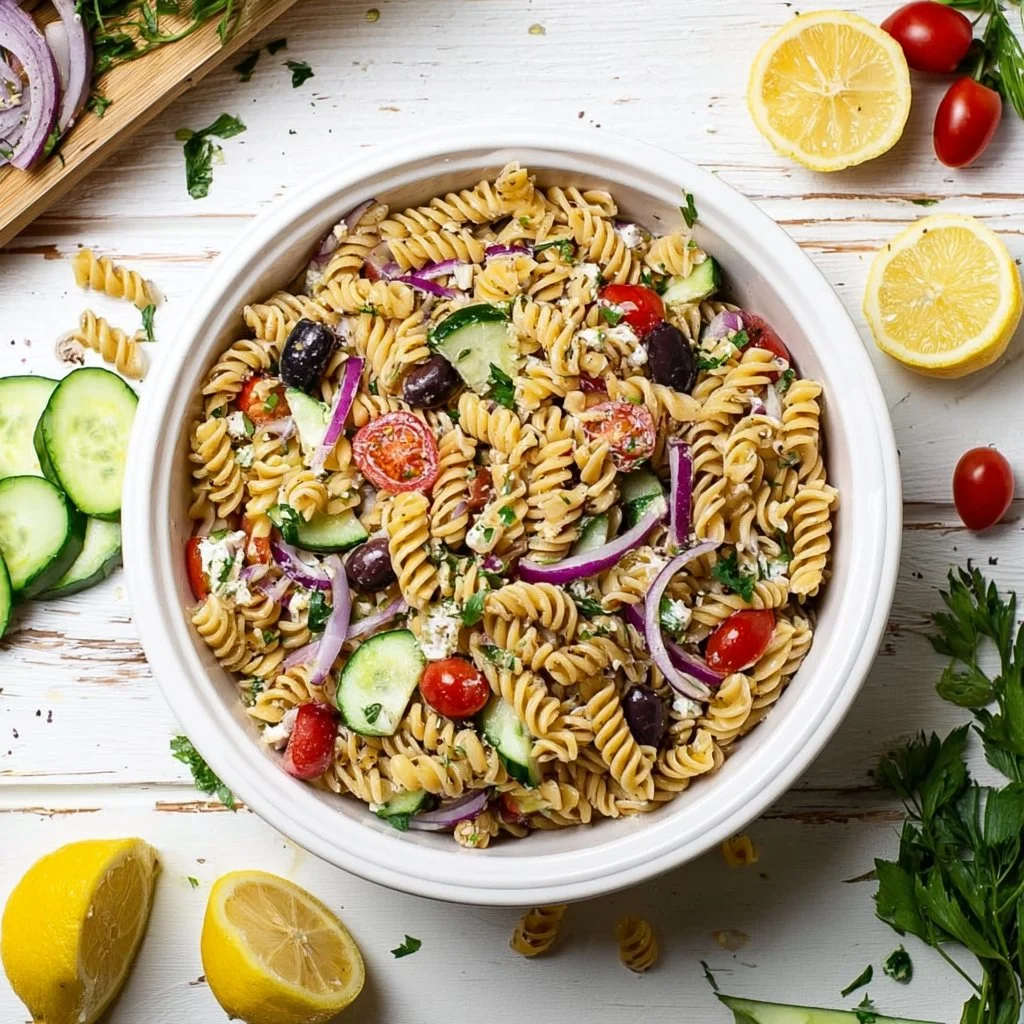
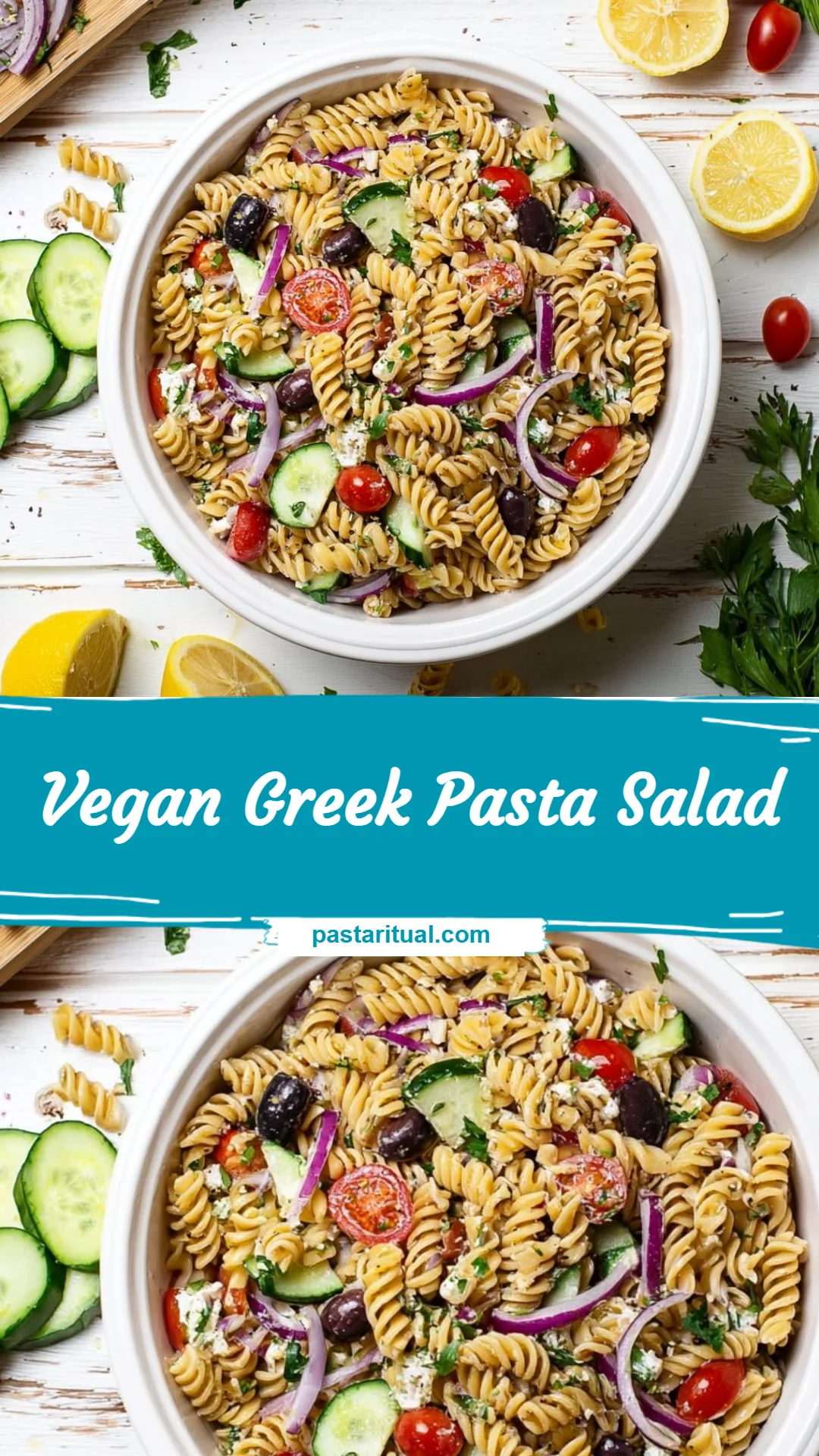
Vegan Greek Pasta Salad
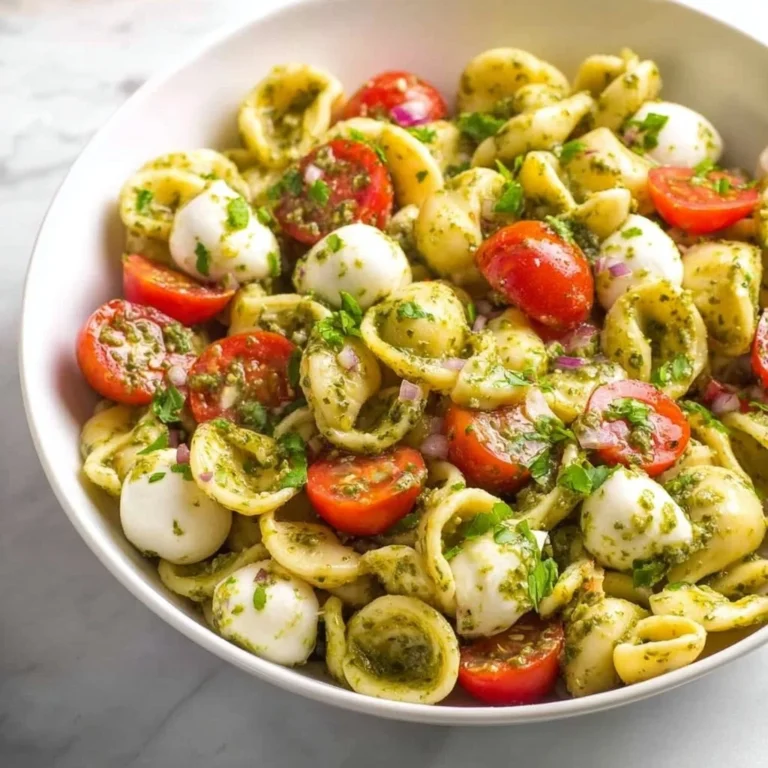
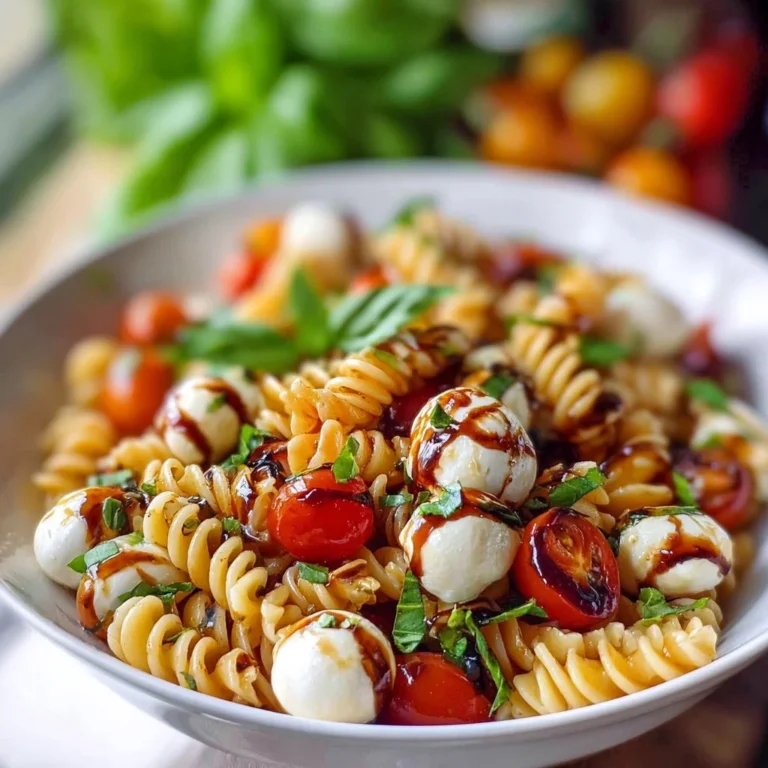
Have you ever come home craving something bright and comforting that doesn’t weigh you down — maybe after a long walk or a busy day? I remember a rainy Saturday when I wanted a dish that felt like sunshine in a bowl, and this Vegan Greek Pasta Salad answered that craving with ease (and a little kitchen dance). If you’re new to making dressings from scratch or worried about tossing cooked pasta and fresh veggies without turning it into a soggy mess, that beginner challenge is totally normal. I promise this recipe is straightforward, forgiving, and ideal for anyone looking for a wholesome, low-fuss meal — and if you enjoy Mediterranean flavors, you might also like my twist on a caprese pesto pasta salad for more fresh, pantry-friendly ideas.
A Quick Look at This Vegan Greek Pasta Salad Recipe
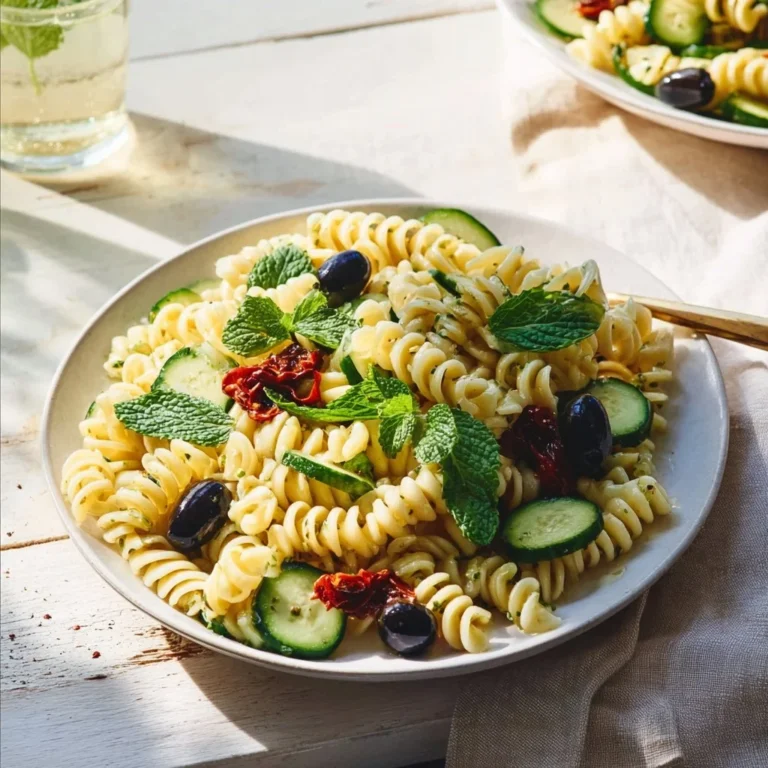
This Vegan Greek Pasta Salad is a nutrient-packed, easy-to-prep dish that blends fiber-rich veggies with plant-based protein and healthy fats. Tahini brings a dose of healthy fats and some plant protein, while artichokes, cucumbers, and tomatoes add fiber, vitamins, and minerals like potassium and vitamin C. The recipe is naturally low in added sugars and can fit nicely into balanced meals or meal-prep plans — it’s great for lighter comfort food, work lunches, or a nutritious side at gatherings.
Ingredients You’ll Need for Vegan Greek Pasta Salad
Essentials
- 3 tablespoons tahini — The creamy base for the dressing; provides healthy fats and a subtle nuttiness.
- 3 tablespoons water — Use to loosen the tahini into a pourable dressing.
- 4 tablespoons lemon juice — Fresh is best for brightness and acidity to balance the tahini.
- 1 teaspoon Dijon mustard — Helps emulsify the dressing and adds depth of flavor.
- 1 teaspoon garlic powder — Gives garlicky warmth without chopping fresh garlic (handy for busy cooks).
- 2 teaspoons dried oregano — Classic Mediterranean herb that pairs perfectly with the salad.
- 2 teaspoons dried basil — Adds a sweet herbal note; if you have fresh basil, see substitutions below.
- 1/2 teaspoon kosher salt — Adjust to taste; start with less and add more if needed.
- Black pepper to taste — Freshly cracked if possible for the best aroma.
- 8 oz rotini pasta — Twisty pasta holds the dressing well; whole-grain rotini can boost fiber.
- 1 cup Persian or English cucumbers, thinly sliced — Crisp and hydrating, they add a cool crunch.
- 14 oz can quartered artichoke hearts, drained and rinsed — Tender, tangy, and fiber-rich.
- 1/3 cup kalamata olives, halved — Salty, briny bites that give authentic Greek character.
- 1/2 cup grape tomatoes, halved — Sweetness and juiciness to balance the olives.
- 1/4 cup red onion, diced — Sharpness and crunch; soak briefly in water if you want milder flavor.
- 1/4 cup fresh parsley, roughly chopped — Bright herbaceous notes and color.
- 1/2 cup vegan feta (optional) — Crumbly, tangy vegan cheese for a more authentic Greek feel.
Optional add-ons
- Cooked chickpeas — For extra protein and a heartier salad.
- Roasted red peppers — Sweetness and color contrast.
- Baby spinach or arugula — Add on the day of serving for extra greens.
- Sun-dried tomatoes
- Toasted pine nuts or chopped walnuts — For crunch and additional healthy fats.
- Capers — For a sharp, saline punch if you love briny flavors.
Substitutions and shortcuts
- Tahini swap: Use almond butter or smooth cashew butter in a pinch, but flavor will shift slightly. If you don’t have any nut/seed butter, a simple olive oil–lemon vinaigrette can work (use about 3 tablespoons olive oil + 2 tablespoons lemon juice + 1 teaspoon Dijon).
- Water adjustment: If your tahini is thick or old and separated, warm it slightly or use a little more water to reach a silky consistency.
- Dijon alternative: Yellow mustard can substitute, though flavor will be milder.
- Dried vs. fresh herbs: If you have fresh oregano or basil, use 2 tablespoons fresh in place of each 2 teaspoons dried.
- Pasta choice: Use whole-grain, chickpea, or lentil pasta to boost protein and fiber. Smaller shapes like fusilli or penne also work.
- Vegan feta: If you don’t have vegan feta, crumbled firm tofu marinated briefly in lemon and a pinch of salt works well.
- Olives: If kalamata aren’t available, use black olives or green olives, but expect a different flavor profile.
- Artichoke hearts: Use jarred marinated artichokes for extra flavor; drain them if they’re value-packed in oil so they don’t make the salad greasy.
- Quick chopping: Buy pre-sliced cucumbers or a pre-chopped Mediterranean salad kit to save time — just check labels for added salt or sugar.
How to Make Vegan Greek Pasta Salad Step-by-Step
I like to think of this salad as a layering game: cook, cool, dress, and fold. The steps are forgiving, which makes it perfect for people who aren’t confident cooks yet.
Cook the pasta
- Bring a large pot of salted water to a rolling boil. Add the rotini and cook until al dente (follow package directions; usually 7–9 minutes for standard rotini). Salted water seasons the pasta from the inside out.
- Drain promptly and rinse briefly under cold water to stop cooking and to cool. Rinsing also helps prevent the pasta from sticking and keeps the salad from becoming mushy. If you’re using whole-grain pasta, be mindful not to overcook, as it can get soft faster.
- Tip: Spread the drained pasta on a sheet pan to cool faster and avoid clumping while you prep the rest.
Prepare the vegetables
- Thinly slice the Persian or English cucumbers so they add a crisp texture without overpowering each forkful.
- Halve the grape tomatoes and dice the red onion finely. If you find raw red onion too strong, soak the diced onion in cold water for 5–10 minutes, then drain — it mellows the bite.
- Drain and rinse the canned artichoke hearts to remove any tinny or syrupy currents, then roughly chop if the quarters are large.
- Chop the parsley and halve the kalamata olives. Keeping the olives halved or quartered helps distribute their briny flavor evenly.
Make the tahini dressing
- In a mixing bowl, whisk together the 3 tablespoons tahini and 3 tablespoons water until smooth. Tahini can seize or be grainy if it’s thick; whisking with water first helps it loosen.
- Add the 4 tablespoons lemon juice and 1 teaspoon Dijon mustard; whisk again until glossy.
- Sprinkle in 1 teaspoon garlic powder, 2 teaspoons dried oregano, 2 teaspoons dried basil, 1/2 teaspoon kosher salt, and black pepper to taste. Taste and adjust — if it’s too tart, add a teaspoon of maple syrup or a splash more water to balance.
- Technique tip: If the dressing feels too thick to coat the pasta, add a tablespoon of warm water at a time until you get a silky, pourable consistency. Emulsifying the tahini with an acid (lemon) and a little liquid creates a smooth texture that clings to the pasta.
Combine pasta and dressing
- Place the cooled, drained pasta in a large mixing bowl. Pour the tahini dressing over the pasta and toss gently but thoroughly so every twist of rotini is coated. Coating the pasta first helps the dressing adhere and prevents watery pockets once the vegetables are added.
Fold in the vegetables and vegan feta
- Add the cucumbers, artichoke hearts, halved kalamata olives, grape tomatoes, diced red onion, and chopped parsley to the dressed pasta. Fold everything together gently to keep the cucumber crisp and tomatoes intact.
- If using vegan feta, crumble it over the salad last and fold briefly to avoid breaking the crumbles into dust.
- Taste and adjust: Add more salt, pepper, or lemon juice if it needs a lift. Sometimes a drizzle of extra-virgin olive oil at the end brightens the flavors.
Chill and serve
- For the best flavor, chill the salad in the refrigerator for at least a few hours. This helps the flavors marry: the herbs soften into the dressing, and the tahini mellows with the lemon.
- When serving, give the salad a quick toss and add a sprinkle of fresh parsley or a pinch of oregano on top for presentation.
- Storage: Keep in an airtight container in the fridge for up to 3–4 days. Note that cucumbers may lose some crunch over time; if prepping ahead, consider adding cucumbers just before serving.
Nutrient-preserving tips
- Use minimal heat exposure for the vegetables: slicing and folding raw keeps vitamins intact.
- Cool the pasta quickly to avoid overcooking and nutrient loss due to extended heat.
- Fresh lemon juice adds vitamin C and bright flavor without added sugar; add it right before serving rather than before long storage to keep the taste vibrant.
Common Mistakes to Avoid
Even simple recipes can go sideways with a few small missteps. Here are the pitfalls I’ve seen most often and how to fix them.
Mistake 1: Overcooking the pasta
Overcooked pasta becomes mushy and absorbs too much dressing, leaving the salad lifeless. Cook to al dente, rinse with cold water to stop the cooking, and spread it out to cool quickly.
Mistake 2: Using too-thin dressing or too much liquid
If you thin the tahini dressing with too much water or add watery vegetables without draining, the salad becomes soggy. Aim for a creamy, pourable dressing that clings to the pasta, and drain canned ingredients well.
Mistake 3: Adding delicate ingredients too early
Herbs like parsley and delicate veggies like cucumbers can turn limp if they sit in dressing for days. If you’re prepping far in advance, add those last or store them separately and fold them in just before serving.
Serving Suggestions for Vegan Greek Pasta Salad
This salad is versatile — it can be the main event or the perfect complement at a picnic or potluck.
For a light lunch
Serve the Vegan Greek Pasta Salad with a crisp side of mixed greens or a handful of roasted chickpeas for extra protein.
Fast weeknight mealToss with extra chickpeas or a scoop of pre-cooked lentils for added protein. Heat some pita bread, and you’ve got a speedy, balanced dinner.Picnic or potluck favoritePack it cold in a shallow container and top with chopped herbs and vegan feta at the last minute. It travels well and stands up to room temperature for a couple of hours.Side dish for summer grillingPair with grilled vegetables or marinated tofu kebabs. The bright lemony tahini dressing complements smoky flavors beautifully.
Conclusion
This Vegan Greek Pasta Salad is a simple, nourishing option that blends satisfying textures and Mediterranean flavors in a heart-healthy way. It supports a balanced eating pattern — offering fiber from veggies and pasta, healthy fats from tahini and olives, and plenty of refreshing, easy-to-make elements that adapt to your needs. I love how forgiving and flexible this recipe is: swap a few ingredients, add a protein, or scale it up for a crowd. If you want more inspiration that leans into Mediterranean-style pasta salads, check out this flavorful Greek Pasta Salad with Easy Greek Vinaigrette – Vegan Heaven and this bright, veggie-driven Vegan Greek Pasta Salad – HealthyGirl Kitchen for variations and ideas to make the recipe your own.
FAQs About Vegan Greek Pasta Salad
Your Vegan Greek Pasta Salad will stay fresh in an airtight container for about 3–4 days. Keep in mind that cucumbers and tomatoes can soften over time, so for optimal crunch, add those right before serving if you plan to store the salad longer.
Yes — simply use a certified gluten-free pasta (like brown rice, chickpea, or lentil pasta). The rest of the ingredients are naturally gluten-free, but always check labels on packaged items like vegan feta or mustard.
The basic salad has moderate plant protein from tahini and pasta. If you want it higher in protein, swap in chickpea or lentil pasta, or fold in cooked chickpeas or a scoop of shelled edamame.
Absolutely. Prepare the dressing and pasta ahead of time; store the chopped vegetables separately or add them fresh on the day you plan to eat. This keeps textures bright while saving prep time during the week.
Whisk in warm water a teaspoon at a time until the dressing reaches a smooth, pourable consistency. A small splash of extra lemon juice or a teaspoon of olive oil can also help smooth it out while adding flavor.
Vegan Greek Pasta Salad
Ingredients
Method
- Bring a large pot of salted water to a rolling boil.
- Add the rotini and cook until al dente (7–9 minutes).
- Drain promptly and rinse under cold water to stop cooking.
- Tip: Spread the drained pasta on a sheet pan to cool faster.
- Thinly slice the cucumbers.
- Halve the grape tomatoes and dice the red onion finely.
- Drain and rinse the artichoke hearts, then roughly chop if needed.
- Chop the parsley and halve the kalamata olives.
- In a mixing bowl, whisk together tahini and water until smooth.
- Add lemon juice and Dijon mustard; whisk until glossy.
- Sprinkle in garlic powder, oregano, basil, salt, and black pepper. Adjust to taste.
- Place the cooled pasta in a large mixing bowl.
- Pour the tahini dressing over the pasta and toss gently until coated.
- Add the cucumbers, artichoke hearts, kalamata olives, grape tomatoes, red onion, and parsley. Fold together gently.
- If using vegan feta, crumble it in last and fold briefly.
- Chill the salad in the refrigerator for at least a few hours.
- When serving, give a quick toss and add extra herbs on top.