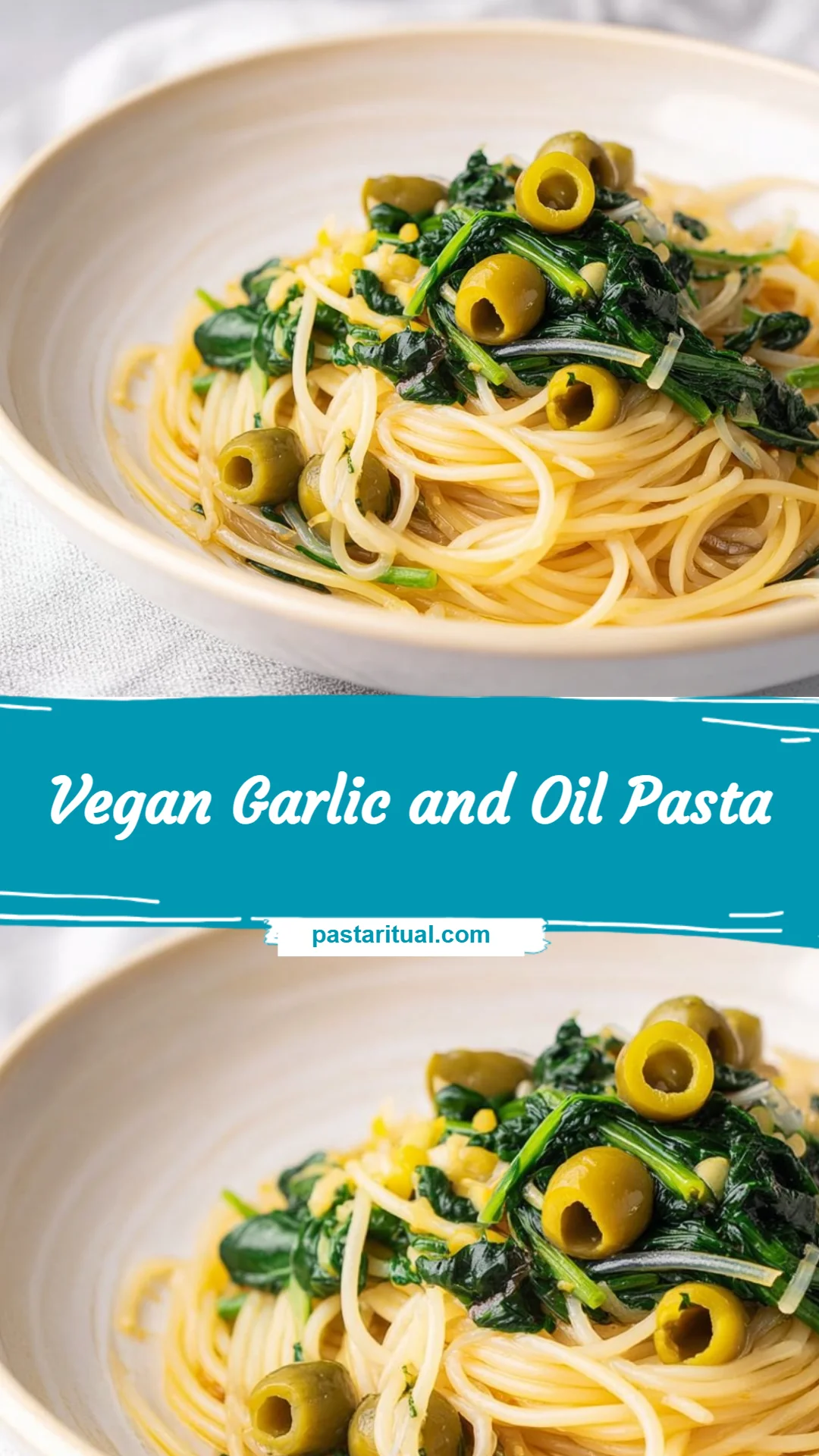
Vegan Garlic and Oil Pasta
I still remember the late-night pasta I made after a long, chilly day—my kitchen smelled like sizzling garlic and warm olive oil, and I sat on the counter eating directly from the pan because dishes could wait. Have you ever torn into a pantry meal craving something comforting but simple and then felt intimidated by technique—like “What if I burn the garlic?”? I promise this Vegan Garlic and Oil Pasta is one of those forgiving recipes that feels fancy but is actually very easy and stress-free, perfect for beginners looking to build confidence one cozy bowl at a time. For inspiration on a similar classic foundation, I sometimes refer to a classic spaghetti with garlic and olive oil to see variations and timing tips that helped me refine this version.
A Quick Look at This Vegan Garlic and Oil Pasta Recipe
This Vegan Garlic and Oil Pasta is a wholesome, satisfying dish built around simple, nutrient-dense ingredients. Olive oil provides heart-healthy monounsaturated fats and antioxidants, while whole-grain or legume-based pasta (if you choose them) adds fiber and complex carbohydrates for long-lasting energy. Adding kale and olives boosts vitamins A, C, K, potassium, and iron—so this meal is fiber-rich, naturally low in added sugar, and easily balanced with a protein-rich side or topping if you want extra protein. It’s a lighter comfort food that fits well into meal prep routines and weeknight dinners when you want something quick, nourishing, and delicious.
Ingredients You’ll Need for Vegan Garlic and Oil Pasta
Essentials
- 16 ounces pasta of choice (bucatini, spaghetti, linguine, or whole-grain/legume pasta for more protein and fiber)
- 1 + ½ cups reserved pasta water (from boiling the pasta)
- ⅓ cup extra virgin olive oil (use a good-quality one for flavor and nutrients)
- 6–8 cloves garlic, peeled and thinly sliced (adjust to taste)
- ¼ teaspoon red pepper flakes (optional, for a gentle heat)
- Salt and freshly ground black pepper, to taste
Optional add-ons
- 1 cup fresh parsley leaves, finely chopped — adds fresh herbs, vitamin C, and a bright finish
- 1 bunch lacinato kale, chopped — boosts fiber, iron, vitamin K, and texture
- 1 + ¼ cups Castelvetrano olives, sliced — for briny richness and healthy fats
- 2–3 tablespoons vegan butter or additional extra virgin olive oil — for creamier mouthfeel
- 1 teaspoon lemon zest (optional) — adds aromatic brightness
- 2–3 tablespoons fresh squeezed lemon juice (optional) — balances richness and adds vitamin C
- 1 cup basil leaves, chiffonade or chopped — adds aromatic freshness and flavor layers
- ⅓ cup grated vegan parmesan cheese (optional) — adds savory, umami topping
Substitutions and shortcuts
- Pasta: Use whole-wheat pasta for extra fiber, chickpea or lentil pasta for more protein, or a gluten-free blend if needed. Cooking time varies, so follow package instructions and test for al dente.
- Olive oil: If you prefer, blend extra virgin olive oil with a tablespoon of mild oil (like avocado) to lower the olive flavor intensity, though EVOO gives the best taste and nutritional profile.
- Garlic: If you’re short on time, use pre-sliced or jarred roasted garlic—reduce sauté time so you don’t burn it. Garlic powder can be used in a pinch, but fresh sliced garlic gives the classic texture and flavor.
- Kale: Swap with baby spinach (add at the end to wilt gently) or swiss chard; frozen chopped kale works too—thaw and squeeze out excess water before adding.
- Castelvetrano olives: Substitute with Kalamata or green olives, or omit entirely if you prefer a cleaner aglio e olio.
- Vegan butter: Use more olive oil if you want dairy-free but still buttery notes; some plant-based creamers or a spoonful of unsweetened nut butter can add creaminess in a pinch.
- Vegan parmesan: Nutritional yeast makes a great shortcut for a cheesy, nutty flavor and adds B vitamins.
How to Make Vegan Garlic and Oil Pasta Step-by-Step
I like to keep the process calm and rhythmic—boil, sauté, toss. This keeps the flavors bright and preserves nutrients like vitamin C in the lemon and vitamins in the kale.
Bring a large pot of generously salted water to a rolling boil. Use about 1–1.5 tablespoons salt per gallon if you like it well-seasoned. Add your pasta and cook until al dente according to package instructions. Before draining, scoop out 1 + ½ cups of the pasta water and set it aside—this starchy water is crucial for creating a silky sauce that clings to the noodles.
While the pasta cooks, prepare your ingredients: thinly slice the garlic, chop the parsley and kale (if using), slice the olives, and zest and juice the lemon if you’re using it. Having everything ready helps you move quickly once the garlic is hot.
Heat a large, heavy skillet or wide pot over medium heat and pour in ⅓ cup extra virgin olive oil. Give it a moment to warm—moderately hot oil helps infuse the garlic without burning it.
Add the sliced garlic and ¼ teaspoon red pepper flakes to the warm oil. Sauté gently for 3–4 minutes, stirring frequently. Watch the garlic closely—you’re aiming for a golden color with fragrant aroma, not brown or bitter. If any pieces start to brown too quickly, lower the heat.
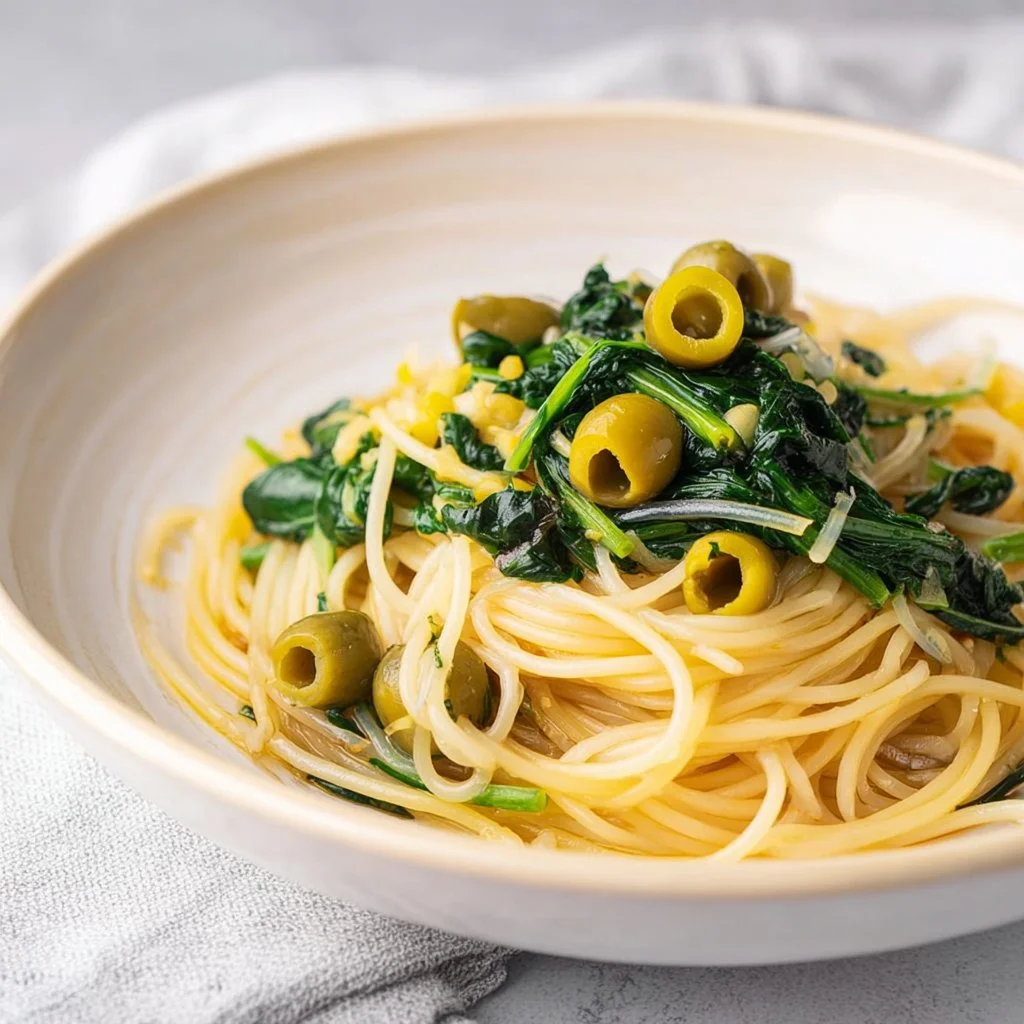
If using kale, add it now and toss for 1–2 minutes until it begins to wilt but still holds color. This method preserves some of the kale’s nutrients by minimizing cooking time. If you prefer the kale softer, you can add a splash of the reserved pasta water and cover for a minute to steam it.
Add the drained pasta to the skillet with the garlic oil. Toss with tongs or two forks, then add 2–3 tablespoons vegan butter (or extra olive oil) and about ½ cup of the reserved pasta water. Toss vigorously so the starches from the pasta water emulsify with the oil, creating a glossy coat rather than oily strands. If it seems dry, add a little more pasta water, a few tablespoons at a time.
Stir in the olives (if using), lemon juice and zest (optional but bright), salt and pepper to taste, and the chopped parsley and basil. Continue tossing for 30–60 seconds to marry the flavors. Taste and adjust seasoning—sometimes a pinch more salt or another squeeze of lemon pulls it all together.
Finish with a sprinkle of grated vegan parmesan or nutritional yeast if you like a cheesy note. Serve immediately while warm and glossy.
Tips to preserve nutrients and flavor:
- Add delicate herbs (basil, parsley) at the very end to avoid wilting and loss of volatile compounds.
- Limit kale cooking time to keep more vitamins intact; quick wilting is enough to make it tender and tasty.
- Use fresh lemon juice rather than bottled for the best vitamin C and bright flavor.
- Avoid high heat when cooking garlic—gentle, steady heat extracts flavor without burning.
Common Mistakes to Avoid
Even simple dishes can go sideways. I’ve burnt my share of garlic and learned how those little mishaps change a whole bowl. Here are the usual pitfalls I caution friends about, followed by direct fixes.
Mistake 1: Burning the garlic
Burned garlic turns bitter fast and can ruin the sauce. Keep the heat moderate, slice garlic evenly, and stir frequently. If you’re nervous, add garlic later with a little pasta water or use smashed garlic cloves and remove them before serving for a gentler infusion.
Mistake 2: Not reserving enough pasta water
That starchy pasta water is what transforms oil into a creamy emulsion that clings to pasta. If you drain everything away, the result can be greasy and loose. Always reserve at least 1 cup; I recommend 1 + ½ cups so you can adjust texture as you toss.
Mistake 3: Overcooking greens
Kale and basil have very different cooking tolerances. Kale benefits from a minute or two of sautéing; basil wilts and loses aroma if added too early. Add kale earlier and basil last, and avoid prolonged boiling or sautéing to preserve nutrients and flavor.
Serving Suggestions for Vegan Garlic and Oil Pasta
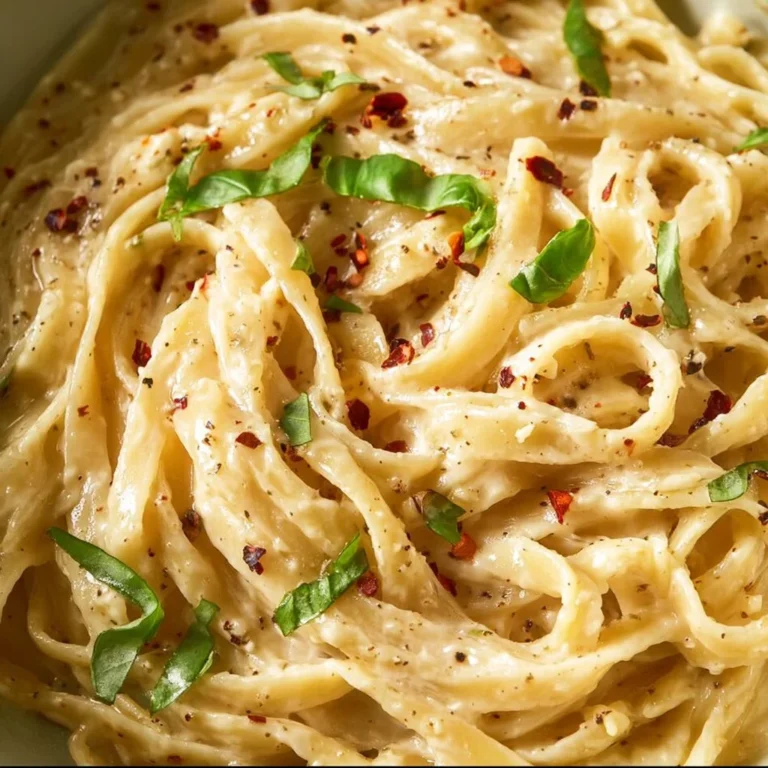
This pasta is versatile—great as a cozy main or paired with fresh sides for a complete meal. I usually keep the presentation simple: a bowl with bright herbs on top and a little extra olive oil drizzled just before serving.
Light salad pairing
A crisp salad with lemon vinaigrette or apple cider dressing complements the warm, garlicky pasta. Try mixed greens, shaved fennel, and a few toasted almonds for crunch. The fresh salad boosts the meal’s vitamin and fiber profile.
Protein boost ideas
To make this a higher-protein meal, top the pasta with roasted chickpeas, pan-fried tempeh cubes, or sautéed white beans. These plant proteins pair well with the flavors and keep the dish balanced for a post-workout dinner or a hearty lunch.
Meal-prep and storage tips
Leftovers store well in the fridge for 2–3 days. Reheat gently in a skillet with a splash of water or reserved pasta water to re-emulsify the sauce. If freezing, separate the greens and herbs from the pasta and freeze just the noodles and sauce for best texture.
Conclusion
I adore how this Vegan Garlic and Oil Pasta proves that humble ingredients can make something comforting, nourishing, and surprisingly elegant. It supports a healthy lifestyle by focusing on whole-food fats, fiber-rich components if you choose whole-grain or legume pasta, and lots of fresh herbs and greens for vitamins and minerals. The recipe is flexible—I often switch the pasta type, add a handful of toasted nuts, or swap olives for capers depending on what’s in my pantry. If you want a version that leans more traditional yet plant-based, I found a helpful reference with similar techniques in this guide to Olive Oil and Garlic Pasta (Spaghetti Aglio e Olio), which I use occasionally for inspiration. Try this on a busy weeknight or a slow weekend—the comforting flavors make it feel like an indulgence without fuss, and I’d love to hear how you personalize it.
FAQs About Vegan Garlic and Oil Pasta
Vegan Garlic and Oil Pasta keeps well in an airtight container in the refrigerator for 2–3 days. To reheat, gently warm in a skillet with a tablespoon or two of water to bring back the emulsion and prevent dryness. Add fresh herbs after reheating.
Yes—use a gluten-free pasta (rice, corn, or chickpea-based blends are common). Keep an eye on cooking times since gluten-free pastas can become soft more quickly; aim for al dente so the noodles hold up during tossing.
Absolutely. For meal prep, store the pasta separately from fresh herbs and soft greens if possible, and reheat with a splash of liquid to restore the sauce. You can also prep the garlic oil and chopped herbs ahead of time for faster assembly.
Increase protein by choosing legume-based pasta (chickpea or lentil pasta), tossing in roasted chickpeas or white beans, or serving with pan-seared tofu or tempeh. These additions make the meal more filling and balanced.
Bitter garlic usually means it was cooked too quickly or at too high heat. To fix it in the future, lower the heat and cook garlic slowly until golden, or cook whole cloves to infuse the oil then remove them. If you notice bitterness in the finished dish, add a squeeze of lemon or a pinch of sugar to help balance flavors and rescue the sauce.
Vegan Garlic and Oil Pasta
Ingredients
Method
- Bring a large pot of generously salted water to a rolling boil. Use about 1–1.5 tablespoons salt per gallon if you like it well-seasoned.
- Add your pasta and cook until al dente according to package instructions.
- Before draining, scoop out 1 + ½ cups of the pasta water and set it aside.
- While the pasta cooks, prepare your ingredients: slice the garlic, chop the parsley and kale, and zest and juice the lemon if using.
- Heat a large, heavy skillet over medium heat and pour in ⅓ cup extra virgin olive oil. Allow it to warm.
- Add the sliced garlic and red pepper flakes to the oil, sauté gently for 3–4 minutes until golden.
- If using kale, add it now and toss for 1–2 minutes until it begins to wilt.
- Add the drained pasta to the skillet with the garlic oil, then add 2–3 tablespoons vegan butter and ½ cup of reserved pasta water.
- Toss vigorously until a glossy sauce coats the pasta.
- Stir in olives, lemon juice, salt, pepper, parsley, and basil, continuing to toss for 30–60 seconds.
- Finish with vegan parmesan if desired and serve warm.