Thai Peanut Pasta Salad
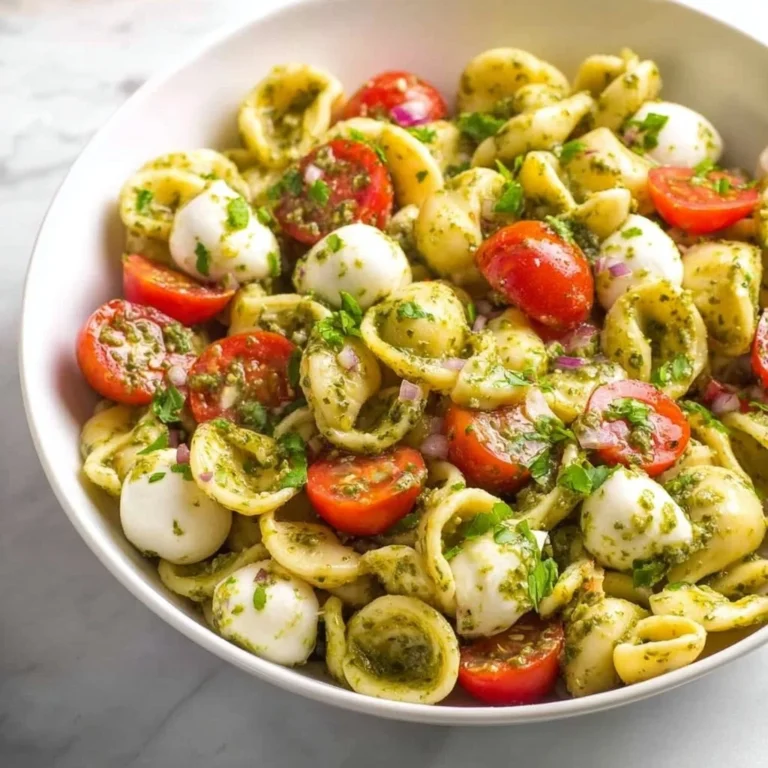
I still remember a rainy Sunday when I craved something bright and crunchy to cheer me up — a bowl of Thai Peanut Pasta Salad hit the spot and felt like a warm, tangy hug. If you ever feel intimidated by dressings or balancing flavors, I get it; making a creamy peanut dressing can seem fiddly at first. I promise this recipe is forgiving, straightforward, and perfect for home cooks who want big flavor without stress — and if you’re already a fan of pasta salads like my caprese pesto pasta salad, this one will be right up your alley.
A Quick Look at This Thai Peanut Pasta Salad Recipe
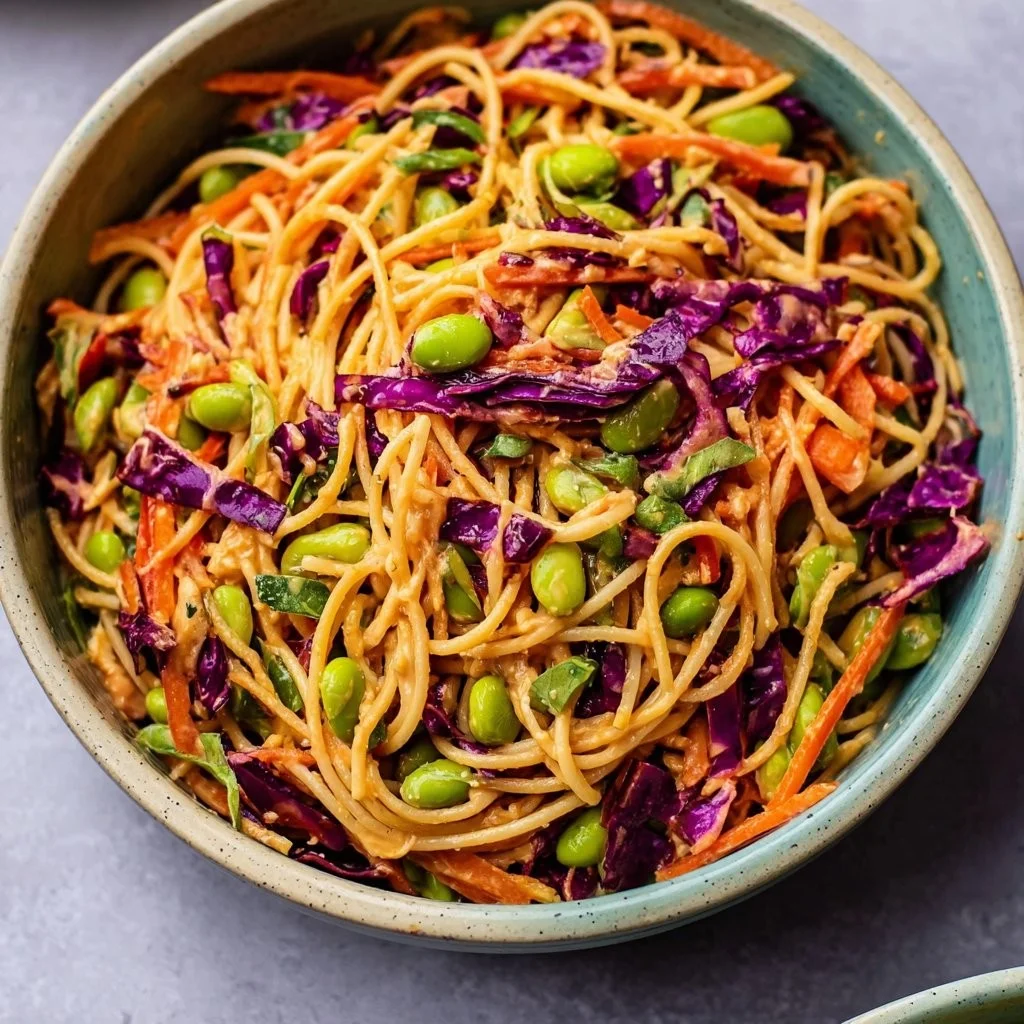
This Thai Peanut Pasta Salad stars two big players: creamy peanut butter and crisp vegetables (hello, red cabbage and edamame). It’s a satisfying, protein-rich option thanks to edamame and peanuts, and it holds up well for lunches or potlucks. Great for beginners because the steps are simple — cook the noodles, whisk a forgiving dressing, toss everything together, and let the flavors meld. Keep reading if you want easy swaps, make-ahead tips, and the exact steps to get the dressing perfectly smooth every time.
Ingredients You’ll Need for Thai Peanut Pasta Salad
Here I break down what to gather. I like to line everything up on the counter before starting — it makes the process calm and quick.
Essentials
- 8 ounces dry spaghetti or rice noodles — spaghetti is classic and pantry-friendly; rice noodles make it gluten-free.
- 16 ounces shelled edamame (frozen) — adds plant protein and a lovely pop of green.
- 3 cups shredded red cabbage — for color, crunch, and bite.
- 2 carrots (finely sliced or grated) — sweetness and texture.
- 1 bell pepper (cut into thin strips) — any color you like.
- 3 green onions (sliced) — mild onion flavor and freshness.
- 1/2 cup roasted peanuts (roughly chopped) — crunch and nutty flavor.
- 1/2 cup natural creamy peanut butter — the backbone of the dressing (use unsweetened if you prefer).
- 3 tablespoons lime juice — bright acidity that balances the peanut butter.
- 2 tablespoons soy sauce or tamari — saltiness and umami (tamari for gluten-free).
- 2 cloves garlic (crushed) — aromatic depth.
- 1/2 tablespoon ginger (finely grated) — warmth and brightness.
- 1/4 cup warm water (plus more as necessary) — to thin the dressing to a silky consistency.
Optional add-ons
- 2 teaspoons toasted sesame oil — a little goes a long way; it adds a toasty note.
- 1 teaspoon sugar, maple syrup, or agave — balances acidity if your lime is very tart.
- 1/2 small bunch cilantro (chopped) — fresh herbal finish (optional if you’re not a cilantro fan).
- Lime zest — I like a little zest in the dressing for extra fragrance.
- Sriracha or chili flakes — for heat, if you want a spicy kick.
- Crushed peanuts or sesame seeds for extra texture at serving.
Substitutions and shortcuts
- Noodles: Use whole-wheat spaghetti for more fiber, or any short pasta you have on hand (penne, fusilli) — the salad still works. For gluten-free, pick rice noodles or a gluten-free spaghetti.
- Edamame: Swap with cooked chickpeas or frozen green peas in a pinch; they won’t be exactly the same, but they’ll give you protein and color.
- Peanut butter: If someone has peanut allergies, sunflower seed butter can be a good stand-in (flavor changes).
- Soy sauce: Use coconut aminos for soy-free or lower-sodium diets.
- Make-it-faster: Buy pre-shredded cabbage and pre-cooked frozen edamame to shave minutes off prep time.
- Dressing smoothing shortcut: If your peanut butter is very thick, microwave it 10–15 seconds to loosen before whisking with the other dressing ingredients.
How to Make Thai Peanut Pasta Salad Step-by-Step
I like to walk through this like I’m cooking with a friend in the kitchen. Clear counters, a timer, and a good spoon make everything easier.
Step 1 — Prep your equipment and mise en place
Set a large pot on the stove for the pasta, a medium bowl for whisking the dressing, and a large mixing bowl for the salad. Chop the bell pepper into thin strips, shred the cabbage if it’s not pre-shredded, slice the green onions, grate the ginger, crush the garlic, and roughly chop the peanuts. If you like zest, run a microplane over one lime and save that zest for the dressing or garnish.
Tip: Having everything measured and ready before you start cooking makes the whole process feel calm and far shorter.
Step 2 — Cook the pasta
Bring a large pot of water to a rolling boil and add a generous pinch of salt — it should taste like the sea. Add the spaghetti or noodles and cook according to package instructions until just al dente (resist overcooking; you want slight bite so the noodles hold up in the salad). Drain and immediately rinse under cold water until the pasta is cool. This stops cooking and keeps the noodles from sticking.
Tip: If you’re using rice noodles, follow package steps closely; they can go from perfect to limp very quickly.
Step 3 — Cook the edamame
You can microwave or simmer your frozen shelled edamame. For microwave: place in a bowl, add a splash of water, cover, and microwave 2–3 minutes until hot. For stovetop: simmer a small pot of water and cook 2–4 minutes. Drain and rinse under cold water to cool. Toss them into your large mixing bowl.
Step 4 — Make the peanut dressing
In your medium bowl, combine the peanut butter, lime juice, soy sauce (or tamari), toasted sesame oil (if using), crushed garlic, grated ginger, and sugar or maple syrup (if using). Whisk while gradually adding the 1/4 cup of warm water. Keep whisking until the dressing is smooth and pourable. Add more warm water, a tablespoon at a time, if you want a thinner dressing.
Tip: If the dressing seems stubborn, use a fork first to break up the peanut butter, then a whisk. A small immersion blender or regular blender makes this ultra-smooth in seconds.
Step 5 — Toss the salad base with dressing
In the large mixing bowl with edamame, add the cooled pasta, shredded red cabbage, sliced or grated carrots, and bell pepper strips. Pour most of the dressing over the salad — you can reserve a little if you want to drizzle at the table. Use tongs or salad spoons to toss everything until evenly coated.
Tip: Toss gently but thoroughly to make sure the dressing reaches the cabbage and noodles; cabbage soaks up flavor beautifully.
Step 6 — Add herbs and crunch
Stir in the sliced green onions, chopped cilantro (if using), and roughly chopped peanuts. Taste and adjust: add more lime for acidity, a splash more soy sauce for salt, or another pinch of sugar if it tastes too tart.
Step 7 — Let flavors meld
Let the salad rest uncovered or lightly covered at room temperature for 10–15 minutes so the dressing can soften the cabbage a touch and flavors can marry. If you’re making this ahead, I like to wait until right before serving to toss in half the peanuts so some crunch remains.
Step 8 — Store leftovers
Place any leftovers in an airtight container and refrigerate for up to 5 days. The salad keeps well, though the texture of the pasta softens over time and the peanuts can lose some crunch. If packing lunches, keep a small extra container of peanuts or herbs to add fresh at the table.
Tip: If the salad firms up in the fridge, loosen it with a tablespoon or two of warm water or another splash of lime and soy before serving.
Common Mistakes to Avoid
Many of the “uh-ohs” with this salad come from small, easy-to-fix oversights. I’ve made them all, so here’s how to dodge them.
I always tell people: a few simple missteps can dull the bright, balanced flavor this salad should have. Avoid these three common mistakes and you’ll be rewarded with a lively, delicious bowl.
Mistake 1: Overcooking the noodles
Soft, mushy pasta makes the salad limp. Cook to al dente and cool the noodles quickly under cold water to stop cooking. If you’re using rice noodles, watch them closely — they can go from perfect to gummy fast.
Mistake 2: Using cold peanut butter straight from the jar
Cold peanut butter can cake the dressing. Warm the peanut butter a bit (10–15 seconds in the microwave) or whisk vigorously while adding warm water to get a silky, smooth dressing without lumps.
Mistake 3: Skipping the taste-and-adjust step
Everyone’s lime and soy sauce have different strengths. After whisking the dressing, taste and adjust — add more lime if it needs brightness, more soy for salt, or a bit of sweetener if it’s too sharp. A well-balanced dressing is the heart of this salad.
Serving Suggestions for Thai Peanut Pasta Salad
This salad is flexible — warm-weather picnic, weeknight dinner, or a meal-prep lunch. I like to think of it as a base you can dress up depending on the mood.
Below are three of my favorite ways to serve it, whether you’re feeding family, guests, or prepping lunches for the week.
As a main course
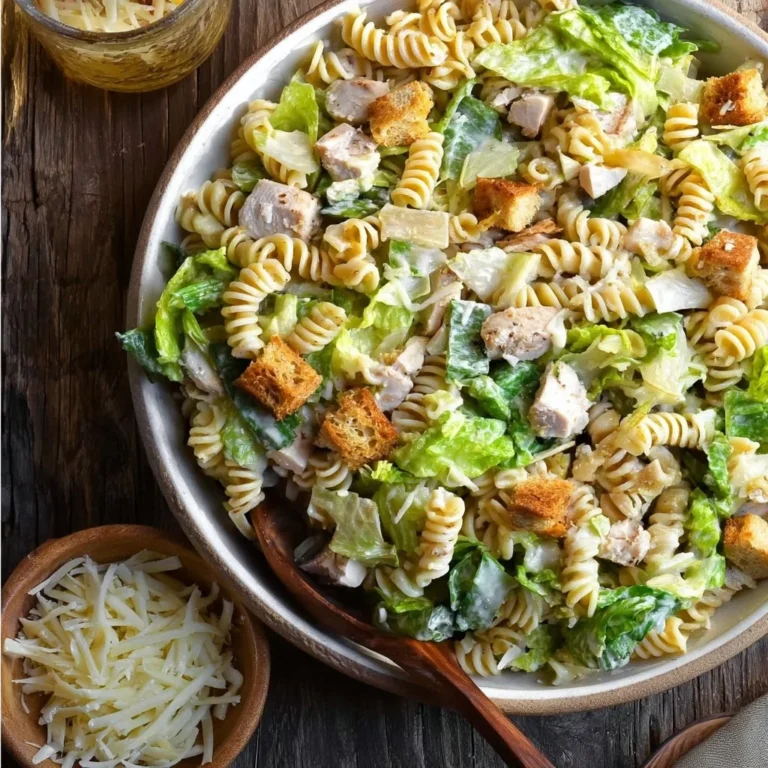
Serve generous portions in bowls with an extra sprinkle of crushed peanuts, a few lime wedges, and a drizzle of extra peanut dressing. Add grilled tofu or slices of rotisserie chicken if you want more protein; for ideas on adding chicken to pasta salads, I often reference my chicken Caesar pasta salad for inspiration on simple protein additions.
As a side dish
Bring it to barbecues or potlucks as a colorful side. It pairs beautifully with grilled vegetables, simple baked salmon, or skewers. The peanut flavor complements smoky and charred foods nicely.
For meal prep and lunches
Divide into individual containers and keep a small bag of extra peanuts and cilantro on the side to add just before eating. It holds up well in the fridge for up to 5 days, making it a good choice for weekday lunches.
Conclusion
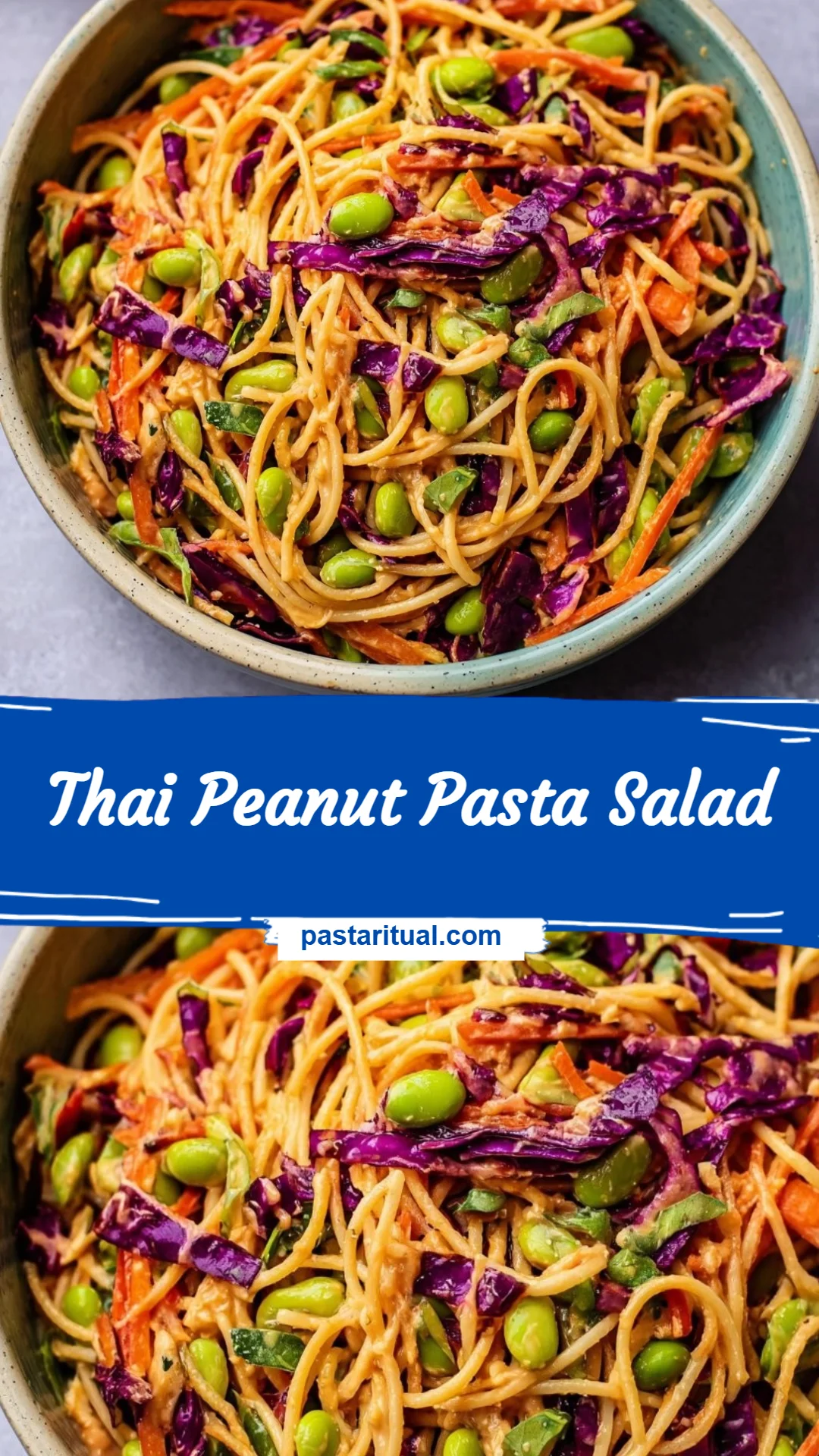
I’ve made this Thai Peanut Pasta Salad so many times because it’s easier than it looks, wildly customizable, and always comforting in that homey, cozy way I love. If you want an extra reference for a slightly different take, check out Featherstone Nutrition’s Thai Peanut Pasta Salad recipe for another set of tips and proportions to compare. Try it once and you’ll see how forgiving the dressing is — and how a handful of simple pantry ingredients can make a bowl that feels like a meal.
FAQs About Thai Peanut Pasta Salad
Yes — you can make it up to 24–48 hours ahead without losing much texture. Toss the salad a little looser if storing, and keep extra peanuts and fresh herbs on the side to add just before serving to preserve crunch and brightness.
The salad can be gluten-free if you use rice noodles or a certified gluten-free pasta and replace soy sauce with tamari or coconut aminos. Everything else in the recipe is naturally gluten-free.
Stored in an airtight container, the salad will keep up to 5 days. Expect the pasta to soften a bit over time; refresh the texture with a quick toss and an extra splash of lime or water if needed.
To make a nut-free version, swap peanut butter for sunflower seed butter and replace peanuts with roasted pumpkin seeds or toasted sunflower seeds. The flavor will shift, but it remains tasty and satisfying.
Edamame already provides plant-based protein, but you can add grilled chicken, tofu, shrimp, or leftover roasted vegetables for more substance. Pressed and grilled tempeh or cubed baked tofu are great vegetarian options that hold up well in the salad.
Thai Peanut Pasta Salad
Ingredients
Method
- Prep your equipment: Set a large pot for pasta, a medium bowl for whisking the dressing, and a large mixing bowl for the salad. Chop bell pepper, shred cabbage, slice green onions, grate ginger, crush garlic, and chop peanuts. Zest lime if desired.
- Bring a large pot of salted water to a boil, add noodles, and cook according to package instructions until al dente. Drain and rinse under cold water.
- Microwave or simmer edamame in water until heated through. Drain and rinse under cold water.
- In a medium bowl, whisk together peanut butter, lime juice, soy sauce, sesame oil, garlic, ginger, and sweetener if using. Gradually add warm water until smooth.
- In a large mixing bowl, combine edamame, cooled pasta, cabbage, carrots, and bell pepper. Pour dressing over salad, reserving some if desired for serving.
- Toss gently to coat.
- Stir in green onions, cilantro, and peanuts. Taste and adjust seasoning.
- Let salad rest at room temperature for 10-15 minutes to meld flavors. Serve with reserved peanuts and lime wedges if desired.