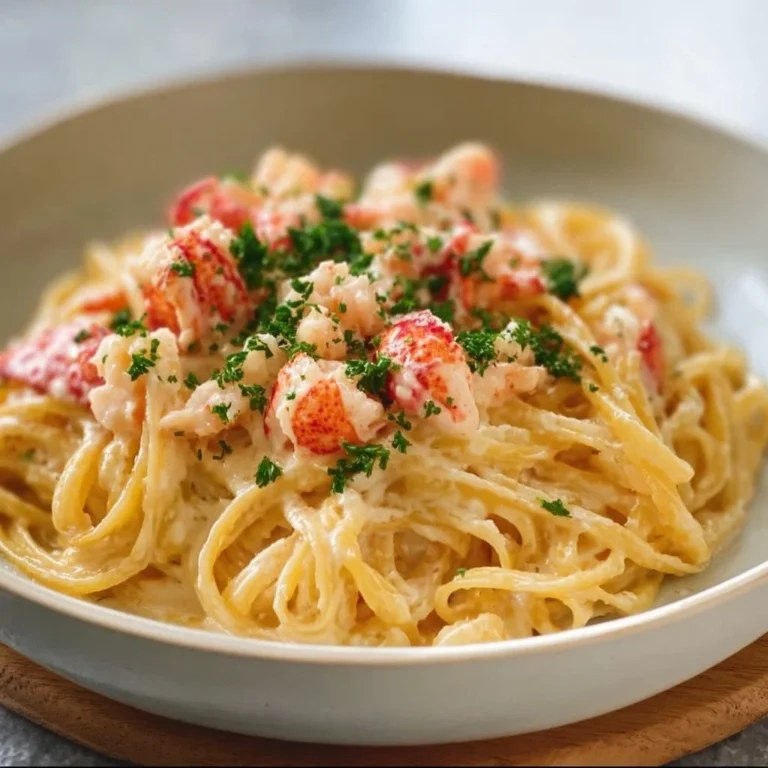
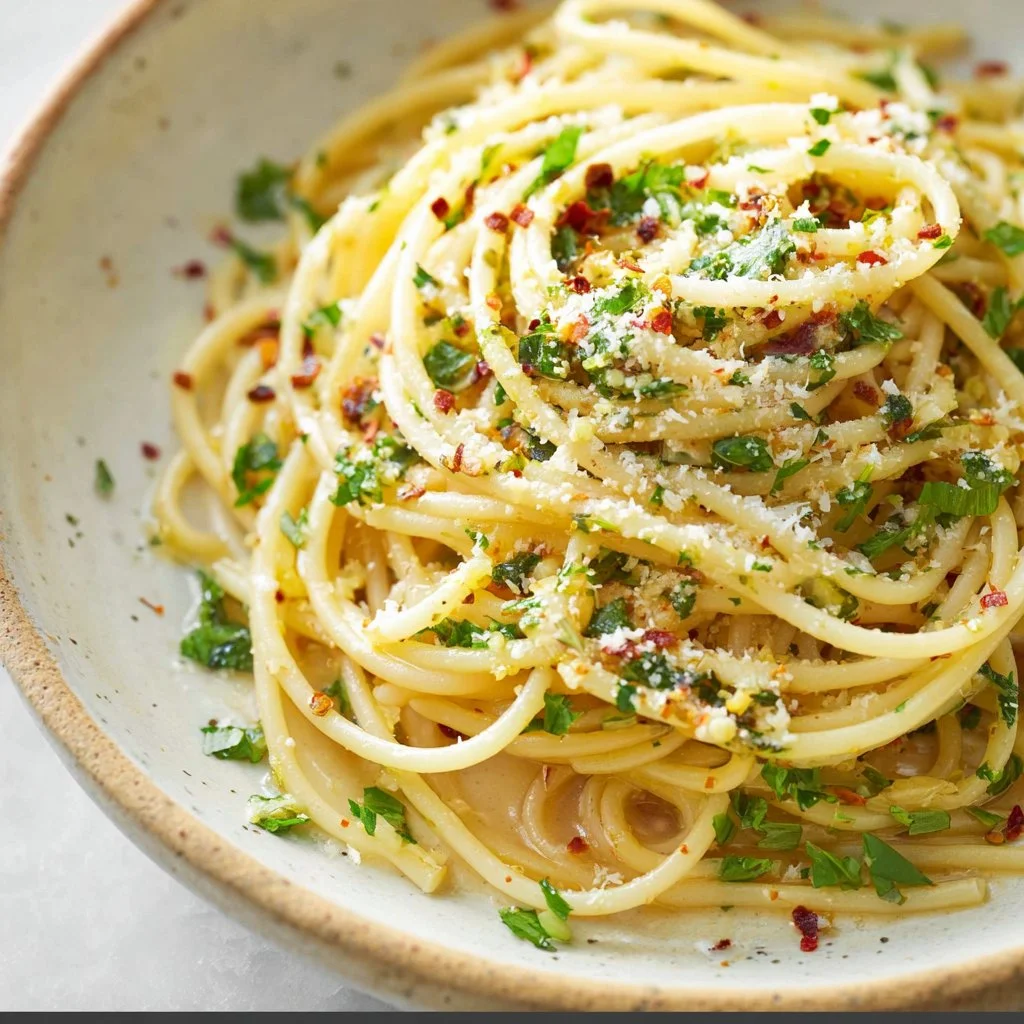
Spaghetti with Garlic and Olive Oil
I still remember the first time I tried to make Spaghetti with Garlic and Olive Oil for a friend who’d raved about it—my garlic browned faster than I expected, and I nearly created a smoky disaster. We ended up laughing over bowls of simple, comforting pasta, and that little hiccup taught me two things: this dish is forgiving, and it’s one of the fastest ways to feel like a home cook superhero. If you’ve ever worried about burning garlic, overcooking pasta, or making a first-date dinner that goes wrong, breathe easy—this recipe is straightforward, forgiving, and totally stress-free.
A Quick Look at This Spaghetti with Garlic and Olive Oil Recipe
Spaghetti with Garlic and Olive Oil is built on two main ingredients: good extra virgin olive oil and fresh garlic. It’s a comfort food that’s light, quick, and surprisingly satisfying—perfect when you want something tasty without a long list of steps. This recipe is great for beginners because it relies on simple technique (watching the garlic and timing the pasta) rather than fancy cooking skills. Scroll down for step-by-step guidance and tips so you can make it perfectly the first time you try.
Ingredients You’ll Need for Spaghetti with Garlic and Olive Oil
Below I expand on the ingredients and why each one matters. I’ll also list a few optional add-ons to customize the dish and substitutions in case you’re missing something.
Essentials
- 1 lb (450 grams) spaghetti, or another long pasta such as linguine or bucatini
- Choose a good-quality durum wheat pasta for the best bite (al dente texture).
- 1/2 cup (120 ml) extra virgin olive oil
- Use the best olive oil you have—the flavor really shows through here.
- 4–5 garlic cloves, finely sliced
- Fresh garlic gives the cleanest, brightest flavor. Slicing (not mincing) gives gentle ribbons that toast evenly.
- 1 tsp dried chili flakes, or to taste (or 3 fresh chilies)
- Dried flakes are convenient; fresh chilies add brightness. Adjust heat to your family’s taste.
- 1/4 cup fresh parsley, coarsely chopped
- Flat-leaf parsley is my go-to for color and freshness.
- 1/4 cup grated Parmesan cheese, plus more to serve (optional)
- Adds umami and creaminess. Leave out for a vegan dish or swap nutritional yeast.
- Salt, to taste
- Coarse sea salt or kosher salt for the pasta water; a small pinch for the sauce if needed.
- Optional but useful: 1/2 cup (120 ml) reserved pasta cooking water
- This starchy water binds the sauce and makes the pasta glossy and silky.
Optional add-ons
- Lemon zest or a squeeze of lemon juice — adds brightness and balances the oil.
- Toasted breadcrumbs — for crunch and texture contrast.
- Anchovy fillets (finely chopped) — for deep umami if you’re comfortable with fish-based ingredients. Not pork or alcohol.
- Chili oil drizzle — for extra heat and color.
- Crushed toasted nuts (pine nuts or walnuts) — for a nutty note and texture.
- Extra herbs: basil, oregano, or thyme — change the flavor profile slightly and pleasantly.
- Cooked vegetables or greens: wilted spinach, sautéed mushrooms, or cherry tomatoes — to make it more substantial.
Substitutions and shortcuts
- Pasta: If you don’t have spaghetti, use linguine, bucatini, fettuccine, or even dried spaghetti of any brand. Fresh pasta will cook much quicker—watch it carefully.
- Olive oil: If you’re low on extra virgin olive oil, blend 3 parts light olive oil with 1 part extra virgin to maintain flavor and budget. Avoid using butter as the primary fat if you want the signature olive oil flavor, though a tablespoon of butter stirred in at the end is a lovely finish.
- Garlic: Use 1–1.5 teaspoons garlic powder only in a pinch, but fresh garlic is really recommended. If you find minced jar garlic easier, use about 1.5 teaspoons and add it late in the oil to reduce the cooked-on, slightly metallic jar flavor.
- Chili: If you don’t like spice, leave the chili out. For a smoky kick, use a pinch of smoked paprika instead.
- Parsley: Swap with cilantro or basil for a different herbal character. Parsley is classic, but the dish is flexible.
- Parmesan: For a vegan version, swap with nutritional yeast or leave it out and finish with extra parsley and a splash of lemon.
- Time-saver: Use pre-minced garlic or frozen garlic slices if you’re short on prep time—just be mindful of how quickly they can burn.
How to Make Spaghetti with Garlic and Olive Oil Step-by-Step
I walk you through this method the way I cook it at home—calm, simple, and with a few little tricks I’ve learned. Read all steps once before starting so you can have everything at hand.
Prep and timing—mise en place
- Fill a large pot with water (about 4–5 quarts / 4–5 liters for 1 lb of pasta). I always add a generous pinch of coarse salt—think seawater salty—because this is the main moment the pasta gets seasoned.
- Peel and thinly slice 4–5 garlic cloves. Slices should be thin but not paper-thin—about 1–2 mm. If you prefer softer garlic flavor, you can crush lightly with the flat of a knife.
- Chop 1/4 cup fresh parsley coarsely and set aside. If using fresh chilies, de-seed them if you want less heat, then finely chop. Measure the olive oil and keep your pasta nearby.
- Place a large frying pan (skillet) on medium-low heat and a spatula or tongs within reach.
Bring the pasta water to a rolling boil and add pasta
- Turn the heat to high and bring the pot to a rapid boil. Add a good pinch of salt (about 1–2 tablespoons depending on your pot size). Drop in the spaghetti and stir gently for the first 30 seconds so the strands don’t clump.
- Cook according to package directions minus 1–2 minutes. If package says 10 minutes to al dente, plan on 8–9. You want the pasta to be al dente when you transfer it to the sauce because it will finish cooking in the pan.
Make the garlic and chili-infused oil while the pasta cooks
- While the pasta cooks, heat 1/2 cup extra virgin olive oil in your frying pan over low to medium-low heat. The key is gentle heat—too hot and the garlic will burn and taste bitter. I usually set the burner to a little under medium on my stove.
- Add the thinly sliced garlic and the chili flakes (or chopped fresh chilies). Stir to coat the garlic in oil. You’ll hear a gentle sizzle. Cook slowly, stirring often, until the garlic turns pale gold and fragrant—about 3–5 minutes depending on heat. Watch it closely; garlic can go from golden to burnt in seconds. If you see dark brown bits, lower the heat immediately.
- Just before you take the oil off the heat, stir in the chopped parsley so it wilts slightly and releases fresh aroma. Turn the heat off or keep it very low while you finish the pasta.
Reserve pasta water and drain pasta properly
- About 1–2 minutes before the pasta reaches my target al dente, I scoop out 1/2 cup (120 ml) of the starchy cooking water with a heatproof cup and set it aside. This water is the secret to an emulsion that coats the noodles beautifully.
- Drain the pasta in a colander without rinsing. Rinsing removes the starch that helps the oil cling to the pasta.
Finish the pasta in the pan—this is where it all comes together
- Transfer the drained spaghetti directly into the frying pan with the garlic and oil. If your pan is too small, use the pasta pot or a larger skillet. Toss or use tongs to coat each strand in the oil. Turn the burner to medium.
- Add a splash of the reserved pasta water—start with 2–4 tablespoons, then add more as needed. Toss or stir vigorously to create a light emulsion. The starch in the water helps the oil cling to the pasta and gives the sauce a silky texture.
- Cook for 30–60 seconds, tossing or stirring constantly. This allows the pasta to finish cooking and marry with the flavored oil. If the pasta seems dry, add a little more cooking water. The consistency you want is moist and glossy—not oily puddles and not dry clumps.
Taste and season, then plate
- Taste a strand for texture and seasoning. Add salt if needed, but be careful if you’ll add Parmesan—cheese is salty. If you like, add a quick squeeze of lemon (half a lemon) for brightness.
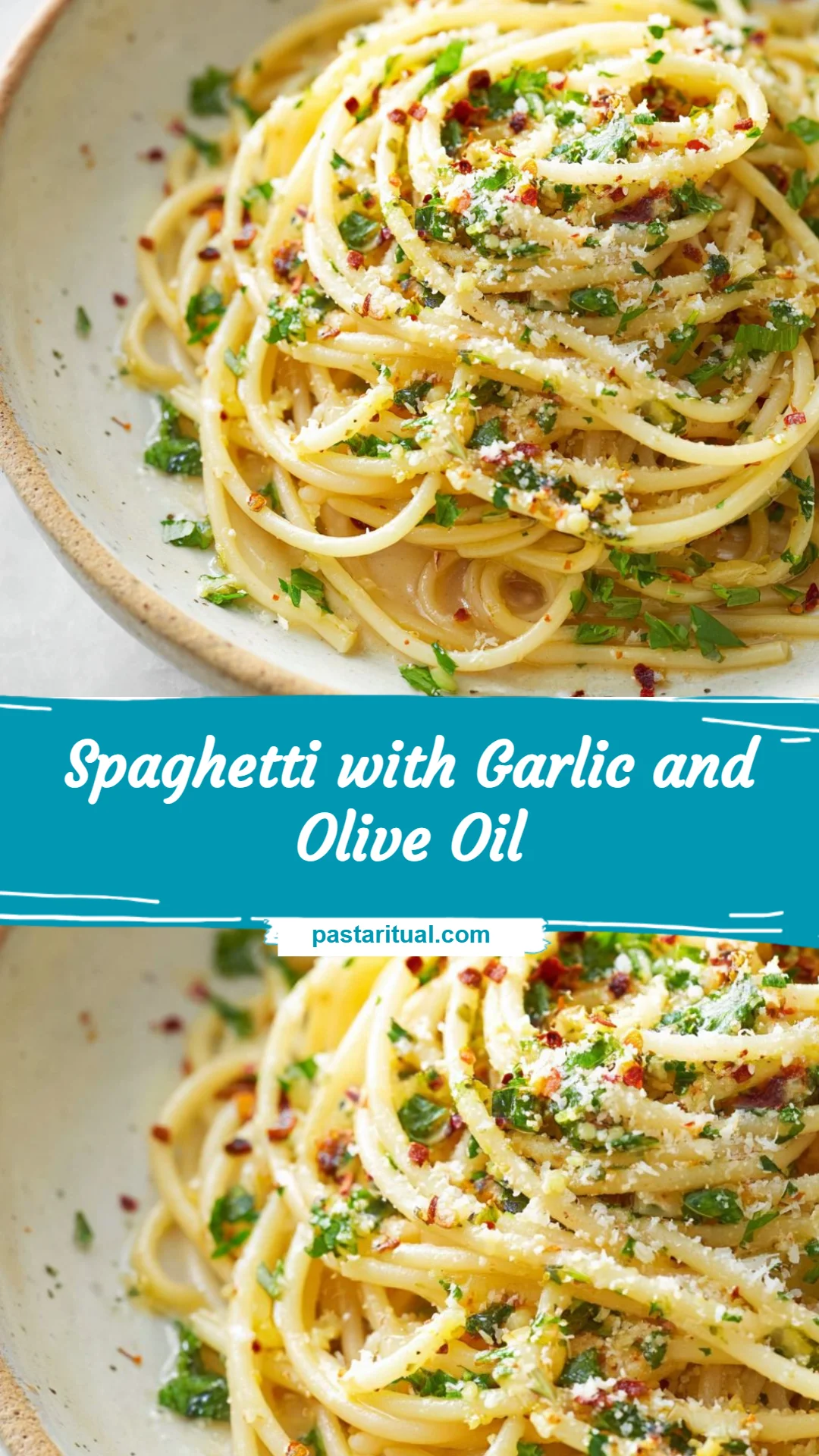
- Plate the pasta in warmed bowls. Sprinkle with extra chopped parsley and grated Parmesan if you eat dairy. A drizzle of extra virgin olive oil at the end enhances aroma.
Final touches and serving tips
- For a richer finish, I sometimes stir in a tablespoon of butter at the end off-heat for silkiness. For vegan diners, use a little toasted nut crumble or nutritional yeast. Serve immediately while hot.
Quick safety note: never leave the garlic unattended while heating. If it burns, toss and start the oil again; burnt garlic tastes bitter and will affect the whole dish.
Common Mistakes to Avoid
This dish looks simple, but a few common mistakes can take it from cozy to blah. The good news? They’re easy to fix once you know what to watch for.
Mistake 1: Using too-high heat and burning the garlic
Burnt garlic is the number one reason this recipe can go wrong. Garlic browns quickly, and once it’s dark it tastes bitter. Keep the oil at low to medium-low heat, and remove the pan from heat if the garlic is changing color too fast. Golden is what you want—not brown.
Mistake 2: Not reserving enough pasta water
That starchy pasta water is magic. Without it, the oil won’t emulsify into a silky sauce and the pasta can feel oily or dry. Reserve at least 1/2 cup and add it little by little. It’s the bridge that pulls the oil and pasta together into a cohesive coating.
Mistake 3: Over-salting or under-seasoning
Salt the pasta water generously, but taste before adding more at the end. If you plan to add Parmesan, remember it’s salty and adjust accordingly. Conversely, under-seasoned pasta tastes flat even with good olive oil and garlic—don’t be shy with seasoning at the right steps.
Serving Suggestions for Spaghetti with Garlic and Olive Oil
This pasta is a versatile base—simple on its own, but it sings with a few thoughtful pairings. Here are three easy ways I like to serve it, depending on time and appetite.
Simple greens and a crisp salad
A bright salad balances the oiliness of the pasta. Toss mixed lettuce, arugula, or baby spinach with a lemony vinaigrette (olive oil, lemon, salt, pepper). Add shaved fennel or thinly sliced radish for crunch.
Roasted or sautéed vegetables
Roasted cherry tomatoes, grilled zucchini, or sautéed mushrooms make the meal heartier and colorful. Roast tomatoes with olive oil and a pinch of sugar at 425°F (220°C) for 15–20 minutes until they blister—stir some into the pasta for juicy pops of flavor.
Protein add-ins for a fuller meal
For more protein, add grilled chicken, pan-seared shrimp, or a tin of tuna in olive oil—stir them in at the end so they don’t dry out. For a vegetarian protein boost, toss in cooked white beans or chickpeas and finish with parsley and lemon.
Conclusion
I love how Spaghetti with Garlic and Olive Oil feels like comfort food and a clever weeknight solution at once—it’s fast, flexible, and forgiving. If you want more inspiration or a slightly different take on this classic, I sometimes check recipes and tips from other cooks to spark ideas. For a modern take and helpful step-by-step photos, I like the write-up at SPAGHETTI WITH GARLIC AND OLIVE OIL – The clever meal. And if you enjoy seeing variations and community reviews, this version on Allrecipes is a useful reference: Spaghetti Aglio e Olio Recipe.
Try this one tonight and let it become your go-to pantry pasta. If you tweak it, I’d love to hear what you did—leave a note about your favorite add-ins or how you made it your own.
FAQs About Spaghetti with Garlic and Olive Oil
From start to finish, this Spaghetti with Garlic and Olive Oil usually takes about 15–20 minutes. The longest part is boiling the water; the actual sauce only needs about 5 minutes. If you prep the garlic and parsley while the water heats, you’ll easily finish in under 20 minutes.
I don’t recommend making it far ahead because the texture and gloss of the sauce are best fresh. You can boil the pasta slightly under al dente and toss with a little olive oil to prevent sticking, then finish in the pan with the garlic oil just before serving. Leftovers are fine—reheat gently with a splash of water and fresh olive oil.
Spaghetti with Garlic and Olive Oil can be a healthy, balanced meal. Olive oil provides heart-healthy monounsaturated fats, garlic offers antioxidants, and parsley adds vitamins. To increase fiber or protein, add whole-grain pasta, beans, or a side of roasted vegetables. Portion control helps keep it balanced.
Use low to medium-low heat and watch the garlic closely. Slice the garlic evenly so it cooks uniformly. If your pan gets too hot, remove it from the heat and let it cool slightly before continuing. If any pieces burn, toss them out and start the oil again—burnt garlic tastes bitter and will affect the whole dish.
Absolutely. Spaghetti with Garlic and Olive Oil is naturally vegan if you skip the Parmesan. For a cheesy flavor, sprinkle nutritional yeast or add a handful of toasted breadcrumbs mixed with olive oil. A squeeze of lemon and extra parsley helps add brightness and makes the dish feel complete without dairy.
Spaghetti with Garlic and Olive Oil
Ingredients
Method
- Fill a large pot with water and add a generous pinch of salt. Heat until boiling.
- Peel and thinly slice the garlic cloves.
- Coarsely chop the parsley and set aside.
- Place a large frying pan on medium-low heat.
- Bring the pasta water to a boil. Add the spaghetti and cook according to the package directions minus 1–2 minutes for al dente.
- While the pasta cooks, heat the olive oil in the frying pan over low to medium-low heat.
- Add the sliced garlic and chili flakes, stirring to coat the garlic in oil.
- Cook until the garlic is pale gold and fragrant, about 3–5 minutes, stirring often.
- Stir in the chopped parsley just before removing from heat.
- Reserve 1/2 cup of pasta cooking water and then drain the pasta.
- Transfer the drained spaghetti to the frying pan and toss to coat in the garlic oil.
- Add a splash of reserved pasta water and toss until emulsified and silky.
- Cook for 30–60 seconds, tossing constantly.
- Taste, season with salt if needed, and plate immediately.
- Top with extra parsley and Parmesan if desired.