Philly Cheesesteak Pasta
Some nights I come home craving something warm, cheesy, and a little nostalgic — the kind of dish that makes you sigh the minute it hits your fork. Have you ever had that moment when you want a sandwich but also desperately need pasta? That craving turned into this cozy Philly Cheesesteak Pasta. If you’re a beginner who worries about melting cheese without turning it grainy or overcooking pasta, I get it — I used to, too. I’ll walk you through this easy, stress-free recipe so you can get dinner on the table without fuss. If you like hearty weeknight dinners and bold flavors, you might also enjoy a zesty pasta salad like Bloody Mary Shrimp Pasta Salad.
A Quick Look at This Philly Cheesesteak Pasta Recipe
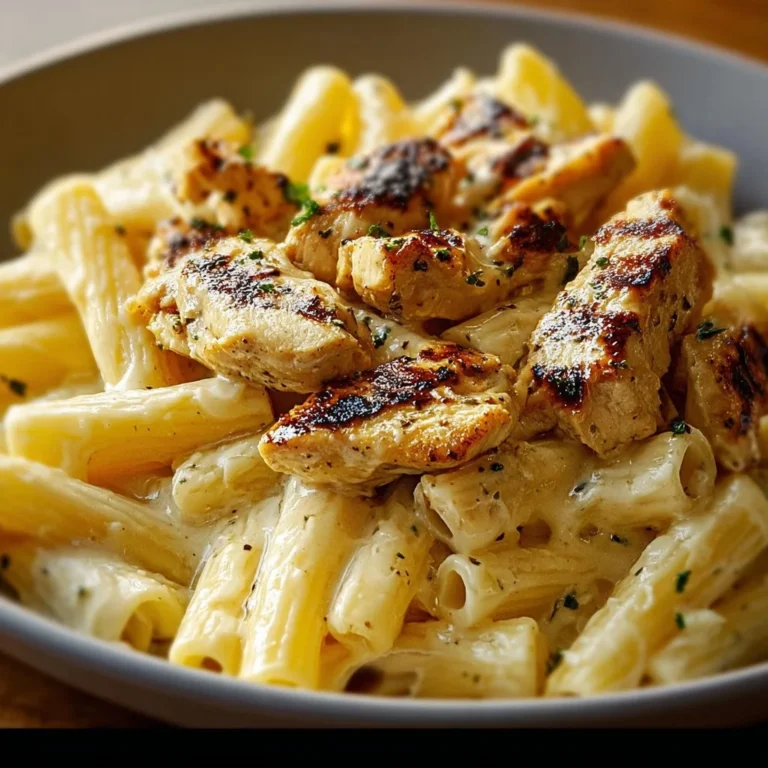
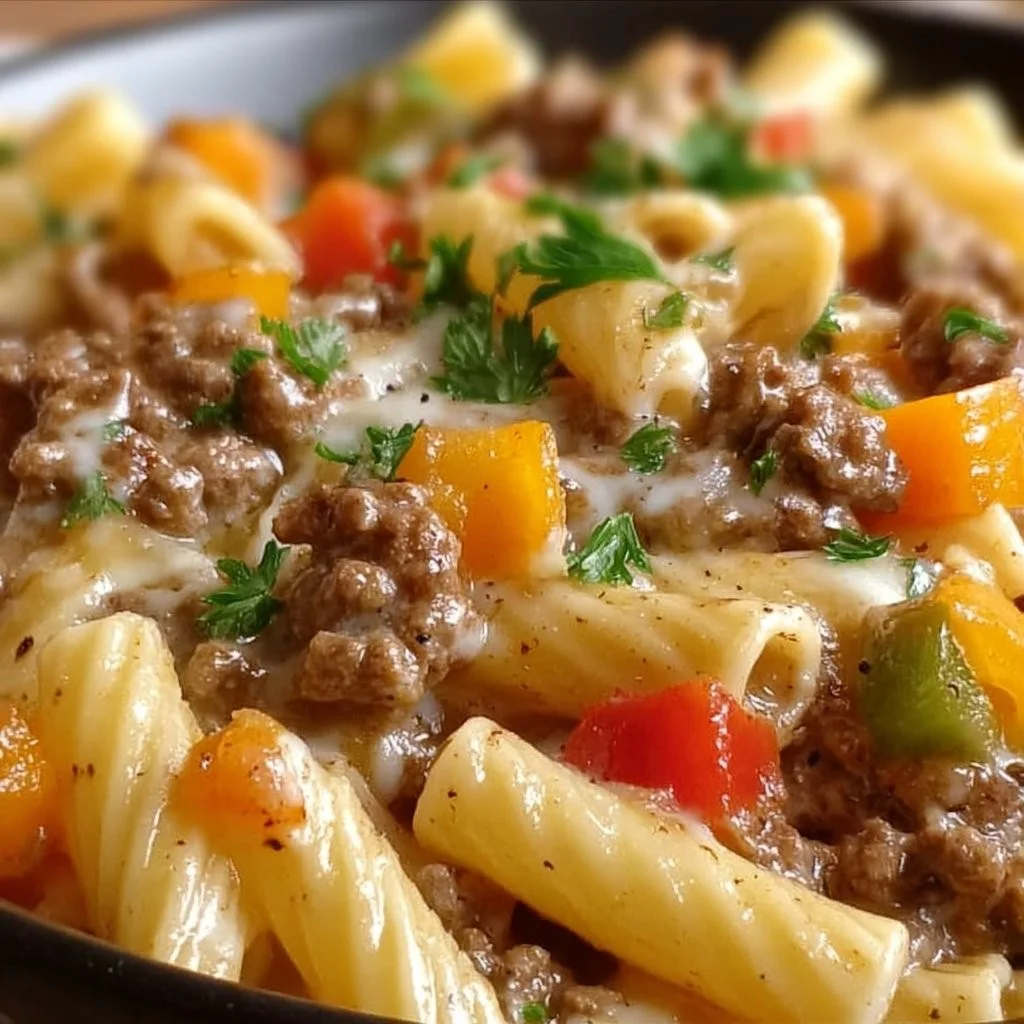
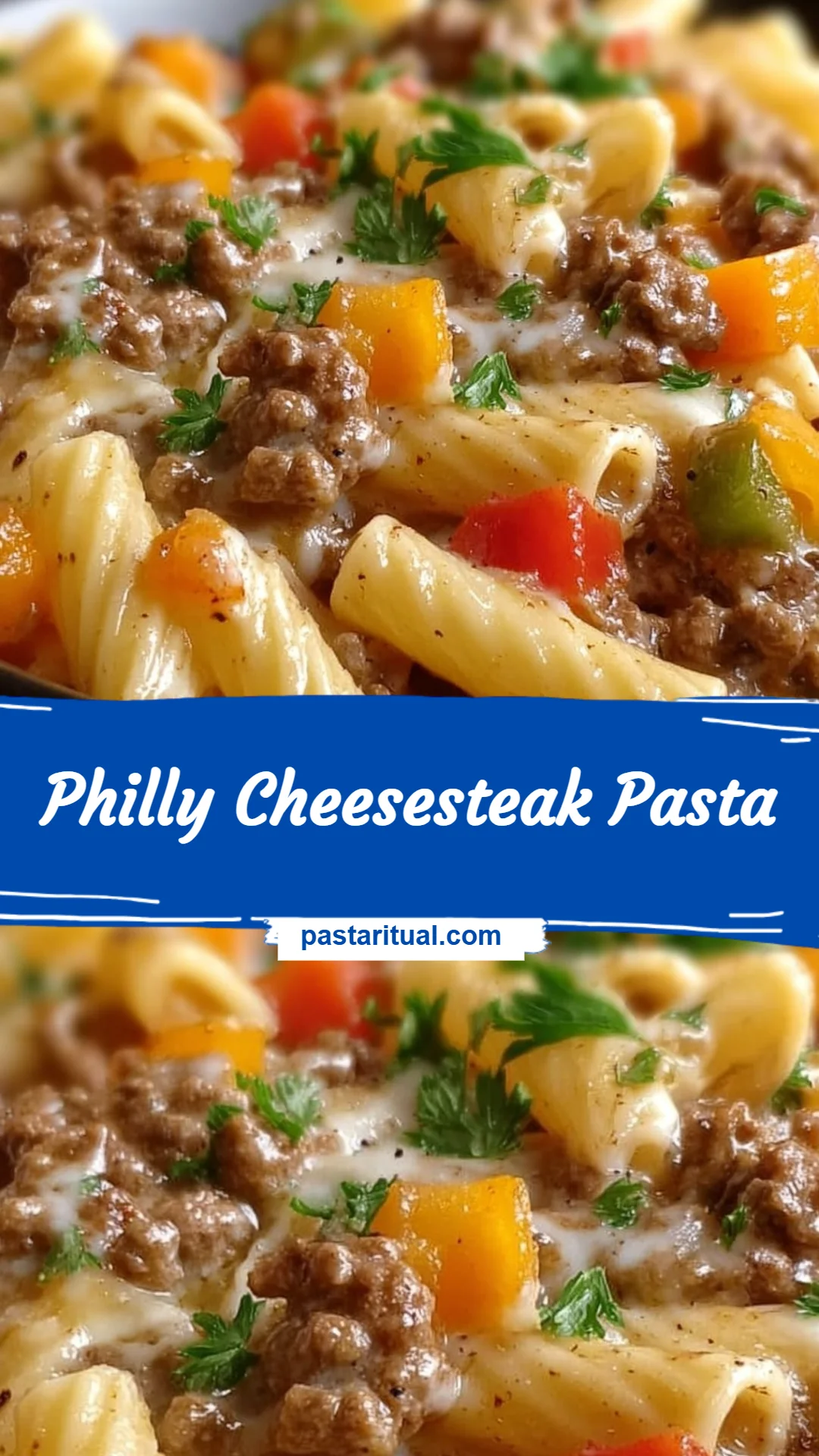
Philly Cheesesteak Pasta combines seasoned beef (ground or thin steak strips) and sautéed peppers and onions with a rich, creamy cheese sauce. The cream cheese and provolone are the two ingredients that give this dish its velvety, melty texture and classic flavor nod to the sandwich. It’s comforting and filling, and a great weeknight solution when you want something indulgent without a long ingredient list. This recipe is beginner-friendly because the steps are straightforward — cook the pasta, brown the meat, make a quick creamy sauce, toss together, and broil for a bubbly top. Keep reading for detailed tips so your first attempt turns out cozy and perfect.
Ingredients You’ll Need for Philly Cheesesteak Pasta
Essentials
- 1 lb ground beef or steak strips (choose lean for less splatter or thinly sliced steak for a more classic Philly feel)
- 1 green bell pepper, diced (adds crunch and brightness)
- 1 onion, diced (white or yellow onion both work)
- 2 cloves garlic, minced (or 1 tsp garlic paste)
- 8 oz cream cheese, softened (room temperature makes melting easier)
- 1 cup shredded provolone cheese (plus extra for topping)
- 12 oz pasta (penne or rigatoni recommended — their tubes hold the sauce well)
- 1 cup beef broth (adds savory depth and thins the cream cheese into a sauce)
- Salt and pepper to taste
- 1 tbsp olive oil (for sautéing)
Optional add-ons
- 1 tsp Worcestershire sauce (if you want a deeper umami note — optional and not required)
- 1/2 tsp red pepper flakes (if you like a little heat)
- Fresh parsley or chives, chopped, for garnish
- 1/2 cup sliced mushrooms, sautéed with the vegetables for an earthy touch
- 1/4 cup grated Parmesan stirred into the sauce for extra complexity
Substitutions and shortcuts
- Beef alternatives: Swap the ground beef or steak with ground turkey, ground chicken, or a plant-based ground beef substitute if you prefer leaner or vegetarian options (adjust seasonings since flavors differ).
- Cheese swaps: If you can’t find provolone, mild mozzarella or fontina can work; they’ll melt nicely though the flavor will shift slightly. Avoid using pre-shredded cheese if possible — it often contains anti-caking agents that make it less creamy.
- Cream cheese alternative: For a lighter sauce, use 4 oz cream cheese plus 1/2 cup Greek yogurt stirred in off-heat (do this gently to avoid curdling).
- Quick stock substitute: If you don’t have beef broth, low-sodium chicken broth or even vegetable broth will work — the flavor changes a bit but the sauce will still be delicious.
- Make it faster: Use pre-diced onion and bell pepper from the store, or pick up precooked rotisserie chicken and shred it to substitute the beef for an ultra-quick version.
- One-pan shortcut: Cook pasta a minute under al dente and finish cooking in the sauce for more flavor; just add a splash of extra broth and stir frequently.
How to Make Philly Cheesesteak Pasta Step-by-Step
I’ll break this down into easy, friendly steps so even the most nervous beginner can follow along.
Step 1 — Cook the pasta
- Fill a large pot with water and bring it to a strong rolling boil. Add a generous pinch of salt — the water should taste like the sea.
- Add 12 oz of penne or rigatoni and cook according to the package directions until al dente (usually 9–11 minutes, depending on the brand). Al dente means it still has a slight bite; it will finish cooking when tossed with the sauce.
- Before draining, scoop out 1/2 cup of the starchy pasta water and set it aside (optional — useful if you want to thin the sauce). Drain the pasta in a colander and set aside. If you’ll finish the pasta in the pan later, drain it a minute early.
Why this matters: Salting the water seasons the pasta from the inside, and slightly undercooking prevents mushy pasta after broiling.
Step 2 — Sauté the vegetables
- Heat 1 tbsp olive oil in a large, oven-safe skillet over medium heat. If you don’t have an oven-safe skillet, use a regular skillet and transfer to a baking dish later.
- Add the diced green bell pepper and diced onion. Sauté for 4–5 minutes, stirring occasionally, until the vegetables are softened and the onion is translucent and just starting to brown.
- Add the minced garlic and cook for another 30–45 seconds, just until fragrant — garlic burns quickly, so keep it moving.
Tips: Use medium heat so the vegetables soften without burning. If they start to brown too fast, lower the heat and add a teaspoon of water to deglaze.
Step 3 — Cook the meat
- Push the vegetables to the side of the skillet and add the ground beef or steak strips in an even layer. If using ground beef, break it up with a spatula as it cooks. If using steak strips, spread them out so they brown rather than steam.
- Cook the meat until it’s fully browned (no pink remains). This usually takes 6–8 minutes for ground beef and slightly less for thin steak strips. Stir the vegetables back into the meat as it finishes cooking.
- Season with salt and freshly ground black pepper to taste. If you’re using Worcestershire sauce or red pepper flakes, add them now and stir to combine.
Note: If you used lean ground beef and the pan looks dry, add a teaspoon of olive oil. If there’s excess grease, carefully drain most of it into a heat-proof container.
Step 4 — Make the creamy sauce
- With the heat on medium-low, add the softened 8 oz cream cheese in chunks to the skillet. Pour in 1 cup of beef broth.
- Stir constantly until the cream cheese melts and combines with the broth into a smooth sauce. This should take a few minutes — be patient and keep the heat moderate to avoid separation.
- Once the sauce is smooth, stir in 1 cup shredded provolone until it’s melted and incorporated. Taste and adjust salt and pepper.
Technique tip: If the sauce seems too thick, stir in a splash of the reserved pasta water or an extra tablespoon of broth until you reach a silky consistency. Avoid boiling the sauce vigorously.
Step 5 — Combine pasta and sauce
- Add the drained pasta to the skillet and toss well so every piece is coated in the creamy beef-and-veg sauce. Use tongs or a large spoon to mix thoroughly.
- If the sauce seems a bit thin, sprinkle in a little extra shredded provolone and stir to thicken slightly; if too thick, add a tablespoon or two of pasta water.
- Smooth the top and sprinkle an even layer of additional shredded provolone over the surface — this creates that golden, bubbly broiled top.
Why this step matters: Tossing the pasta into the sauce lets the noodles absorb flavor and ensures no dry bites.
Step 6 — Broil for a bubbly finish
- Preheat your oven broiler on high. Move the skillet onto the center rack about 6–8 inches from the broiler element. If your skillet isn’t oven-safe, transfer the pasta to a baking dish before this step.
- Broil for 3–5 minutes, watching closely. You want the cheese to melt, bubble, and get a few golden brown spots. Do not walk away — broilers work quickly and cheese can burn in a flash.
- Remove the skillet from the oven using oven mitts. Let it sit for 2–3 minutes so the sauce settles and everything is comfortably hot but not scalding.
Safety note: If broiling in a non-stick pan, transfer to a baking dish first. High heat can damage non-stick coatings.
Step 7 — Serve and enjoy
- Garnish with chopped parsley or chives if using. Scoop generous portions onto plates or into shallow bowls.
- Serve immediately with a simple green salad or crusty bread for mopping up sauce. I like a crisp side like a Caesar or a basic mixed-green salad with lemon vinaigrette to cut the richness.
Leftovers reheat well: Keep refrigerated in an airtight container up to 3 days. Reheat gently in a skillet on low with a splash of broth, or microwave in short bursts, stirring in between.
Common Mistakes to Avoid
I’ve learned over the years that small missteps can change the texture or flavor of a dish. Here are some things I see beginners do and how to avoid them.
Mistake 1: Overcooking the pasta
If you cook the pasta fully in boiling water until it’s very soft, it will become mushy after tossing with the sauce and broiling. Aim for al dente and, if you like, finish the pasta in the sauce for a minute or two to let it soak up flavor.
Mistake 2: Adding cheese to high heat
Dumping cheese into a very hot pan or boiling sauce can make it separate and turn grainy. Lower the heat to medium-low when you add cream cheese and provolone, and stir until smooth. If the sauce looks broken, a small splash of reserved pasta water and gentle whisking can bring it back together.
Mistake 3: Not using an oven-safe pan or watching the broiler
One common oversight is broiling without realizing the skillet isn’t oven-safe — that can ruin a pan. If you’re unsure, transfer everything to a baking dish before broiling. Also, broilers brown cheese fast, so stay close and keep the oven door slightly ajar if your oven manual suggests it.
Serving Suggestions for Philly Cheesesteak Pasta
This dish is rich and comforting, so I like pairing it with light, fresh sides that add texture and brightness.
Simple green salad
Toss mixed greens with a lemon vinaigrette, thinly sliced cucumber, and cherry tomatoes. The acidity cuts through the creaminess and keeps the meal feeling balanced.
Garlic bread or crusty rolls
A warm slice of garlic bread or crusty roll is perfect for roasting up the last bits of sauce. If you want to keep things simple, toast slices of baguette with a little butter and garlic powder.
Lighter vegetable side
Roasted or steamed green beans, sautéed spinach with garlic, or a quick broccoli salad can add color and nutrients without overwhelming the meal. If you’re in the mood for another pasta salad for a potluck, the Caprese-inspired option pairs nicely — try this Caprese Pasta Salad with Balsamic Glaze for a fresh contrast.
Conclusion
I promise this Philly Cheesesteak Pasta is easier than it looks: a handful of everyday ingredients, a comfortable skillet, and a few simple techniques yield a comforting dinner that feels special. You can mix and match proteins and veggies, swap cheeses, or add herbs to make it yours — it’s very forgiving. If you want another take on skillet comfort food to inspire your weeknight cooking, check out Kitchn’s Philly Cheesesteak Pasta Skillet recipe for a slightly different approach and extra ideas.
FAQs About Philly Cheesesteak Pasta
A1: Yes — you can assemble and cook the pasta, then cool it and store it in an airtight container in the fridge for up to 2 days. Reheat gently in a skillet with a splash of broth, then broil briefly to refresh the cheese topping. Avoid freezing the full dish, as the cream cheese sauce can change texture when frozen.
It’s a comforting, calorie-dense meal thanks to cheese and beef, but you can make it lighter by using lean ground turkey or chicken, reducing cream cheese and adding Greek yogurt, or increasing the proportion of vegetables. Serving it with a large salad adds fiber and balance.
Absolutely. Provolone gives an authentic Philly spin, but mozzarella, fontina, or a mild cheddar will melt well. For a tangier sauce, stir in a little grated Parmesan at the end. Avoid pre-shredded cheeses for best melting texture.
Swap the beef for a plant-based ground meat substitute, crumbled firm tofu, or sauté a mix of mushrooms and eggplant for a meaty texture. Use vegetable broth instead of beef broth and season generously for depth.
Reheat gently on the stovetop in a skillet over low heat with a splash of beef or vegetable broth, stirring until warmed through. Alternatively, microwave in short bursts (30–45 seconds), stirring between intervals, and add a teaspoon of water or broth if needed to restore creaminess.
Philly Cheesesteak Pasta
Ingredients
Method
- Fill a large pot with water and bring it to a strong rolling boil. Add a pinch of salt.
- Cook the pasta according to package directions until al dente, usually 9–11 minutes. Before draining, scoop out 1/2 cup of starchy pasta water and set aside.
- Heat olive oil in a large, oven-safe skillet over medium heat.
- Add the diced bell pepper and onion, sauté for 4-5 minutes until softened.
- Add minced garlic and cook for another 30-45 seconds until fragrant.
- Push the vegetables aside, add the beef or steak in an even layer. Cook until browned.
- Season with salt and pepper, and stir in Worcestershire sauce or red pepper flakes if using.
- Add cream cheese and beef broth to the skillet. Stir until melted and combined.
- Stir in shredded provolone until melted and smooth.
- Add drained pasta to the skillet and toss until coated in sauce.
- Smooth the top and sprinkle additional provolone for broiling.
- Preheat your oven broiler on high. Broil pasta for 3-5 minutes until cheese is melted and bubbly.
- Garnish with parsley or chives and serve immediately.