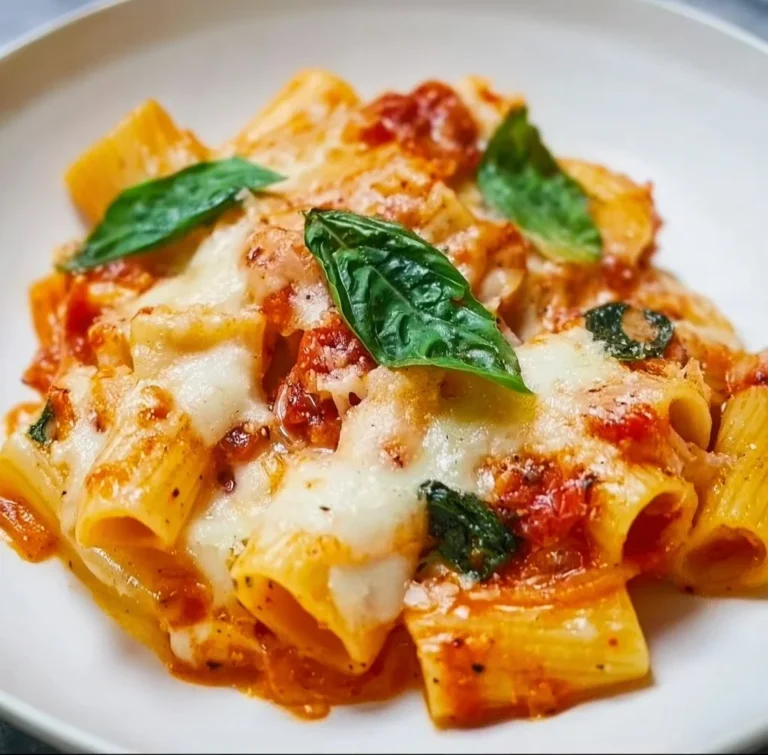
Healthy Baked Feta Pasta with Vegetables
Have you ever come home hungry, spotted a lonely block of feta in the fridge, and wondered if it could somehow become dinner in twenty minutes? I have — more times than I can count — and that’s how this Healthy Baked Feta Pasta with Vegetables first became a weekday favorite in my house. If you’re newer to cooking, the idea of roasting cheese and vegetables together might sound fancy or risky, but I promise it’s forgiving and wonderfully forgiving for beginners. If you like quick pasta recipes with bright, summery flavors, you’ll also enjoy a zesty salad I often pair it with, like this Caprese Pasta Salad with Balsamic Glaze I bookmarked ages ago.
A Quick Look at This Healthy Baked Feta Pasta with Vegetables Recipe
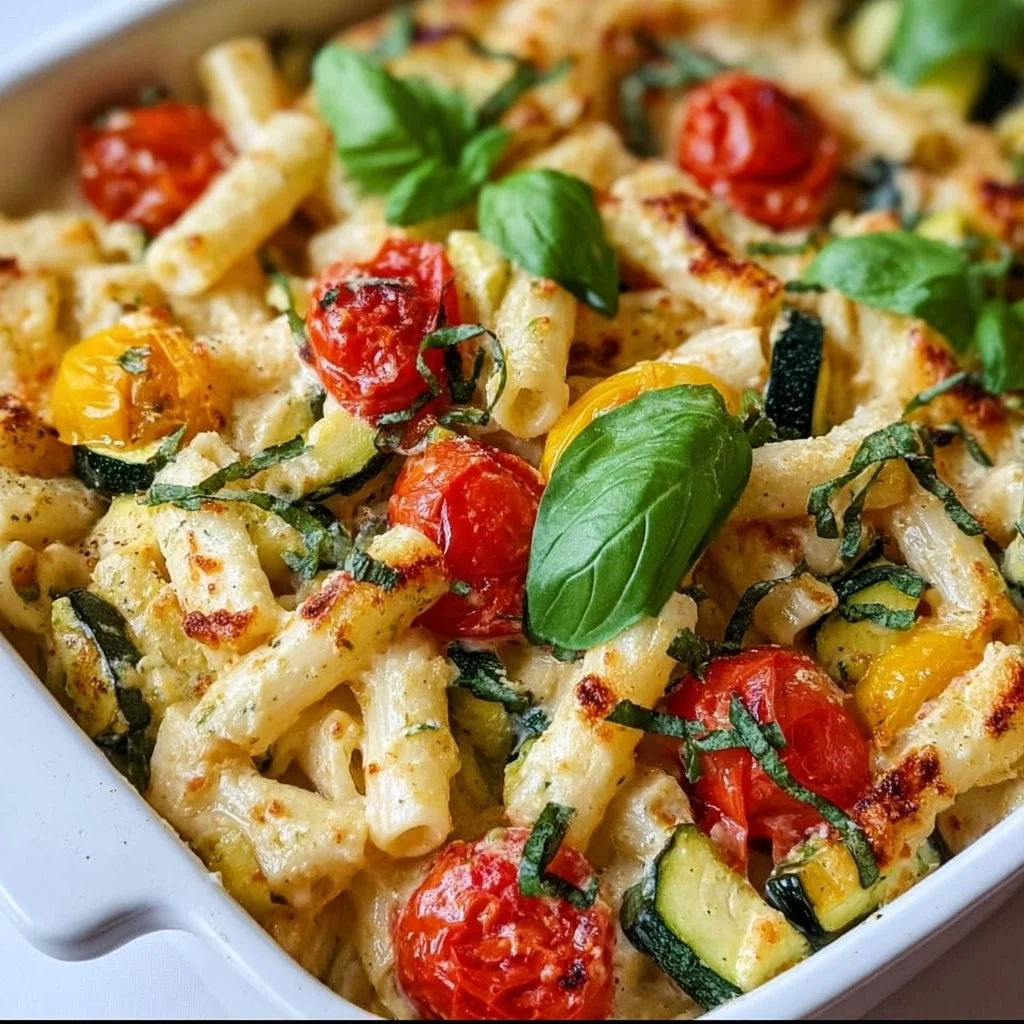
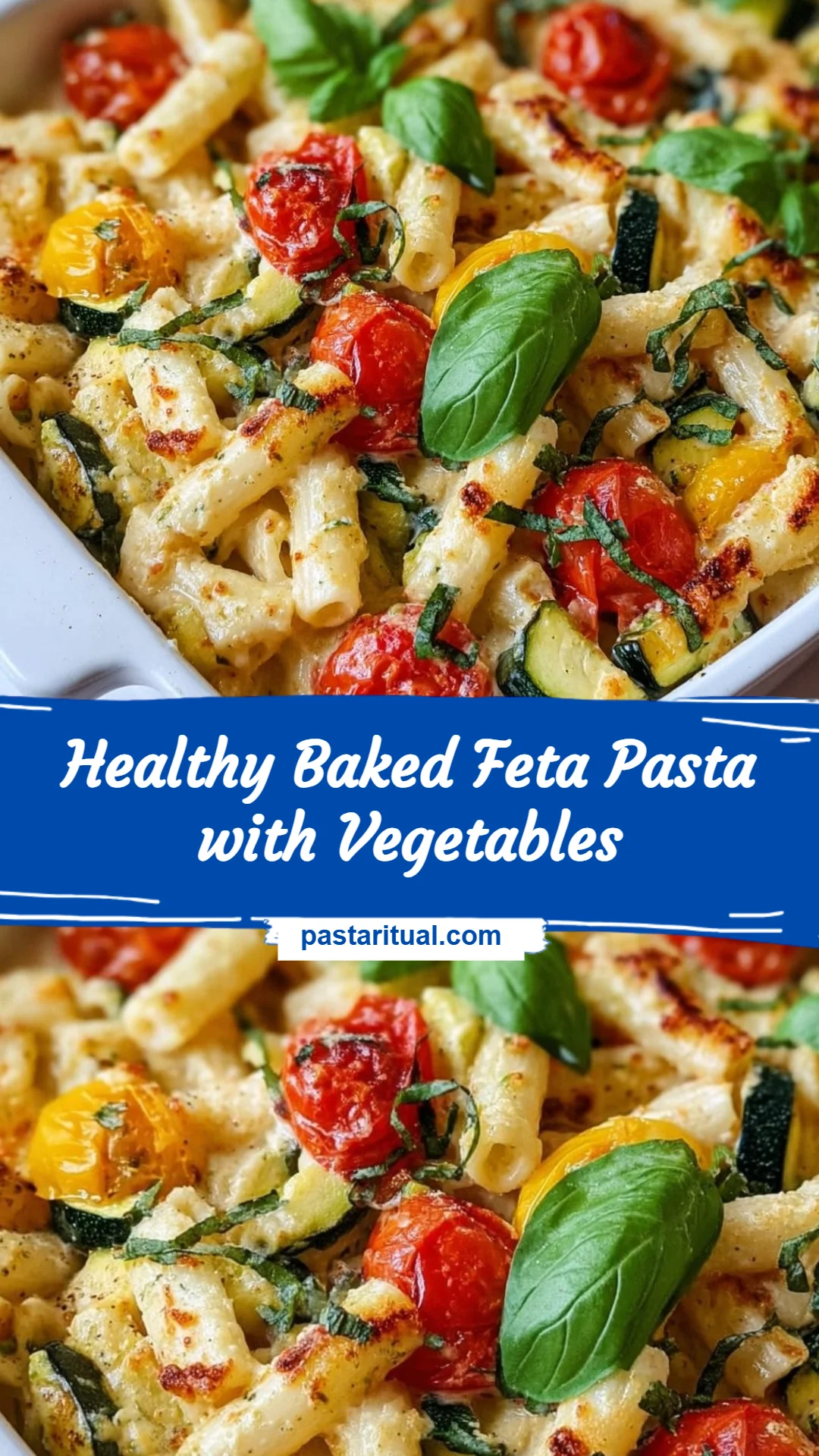
This dish centers on two simple stars: a block of creamy feta and a mix of roasted vegetables (cherry tomatoes, zucchini, and bell pepper). It’s a one-dish, toss-together meal that turns pantry staples into something comforting and a little fancy without any fuss. Nutritionally, the veggies add fiber and vitamins while the feta brings protein and tang, making it a balanced, satisfying weeknight dinner. It’s especially great for home cooks because the oven does most of the work — very little hands-on time and big flavors. Keep reading to learn the easy steps, smart swaps, and serving ideas that make this my go-to when I want something cozy but healthful.
Ingredients You’ll Need for Healthy Baked Feta Pasta with Vegetables
Here I break down what you need. Quantities are geared for two to three servings; scale up if you’re feeding more people.
Essentials
- 200g pasta (penne, fusilli, rigatoni, or any short pasta you love)
- 200g block feta cheese (full-fat gives the creamiest result; find it in brine or vacuum-packed)
- 1 cup cherry tomatoes, halved (about 150g)
- 1 medium zucchini, diced (about 1 to 1½ cups diced)
- 1 medium bell pepper, diced (red, yellow, or orange for sweetness)
- 2 cloves garlic, minced (or 1 teaspoon garlic paste)
- 2–3 tablespoons olive oil (plus a little extra for drizzling)
- Salt and freshly ground black pepper, to taste
- Fresh basil leaves, torn or chiffonade for garnish
Optional add-ons
- Red pepper flakes for heat (½ teaspoon or to taste)
- Lemon zest or a squeeze of lemon juice for brightness
- A handful of baby spinach stirred in at the end for extra greens
- Grated Parmesan or Pecorino on top (if you like a cheesier finish)
- Toasted pine nuts or chopped walnuts for crunch
- A sprinkle of dried oregano or Italian seasoning for more herb flavor
Substitutions and shortcuts
- Pasta: Swap with whole-wheat pasta, gluten-free pasta, or short shapes like farfalle or casarecce. Cooking times may vary.
- Feta: If you can’t find a block, use crumbled feta packed tightly in foil to form a chunk — but a true block melts most evenly. Goat cheese can work in a pinch for a tangy, creamy result.
- Vegetables: Use what you have — eggplant, mushrooms, asparagus tips, or broccoli florets all roast nicely. Just adjust baking time slightly for firmer veg.
- Garlic: Replace with 1 teaspoon garlic powder if you’re in a rush, though fresh gives the best flavor.
- Olive oil: Use avocado oil for a neutral flavor if needed.
- Shortcut: Roast the vegetables and feta while you cook the pasta to save time. You can also use pre-chopped vegetables from the store for faster prep.
How to Make Healthy Baked Feta Pasta with Vegetables Step-by-Step
I write these steps like I’m standing beside you in the kitchen. Read through once, then follow along — you’ll be surprised how simple it is.
Step 1 — Preheat and prep like a pro
Preheat your oven to 400°F (200°C). Choose a medium-sized baking dish (roughly 9×13 inches or slightly smaller is fine) so the vegetables can spread out a bit — crowding creates more steam and less roast. While the oven warms, bring a large pot of salted water to a boil for the pasta. I add about a tablespoon of salt to the water; it should taste like the sea.
Tip: If you’re using a sheet pan instead of a baking dish, line it with parchment for easier cleanup and crisper edges.
Step 2 — Prepare the vegetables and flavor base
In the baking dish, place your halved cherry tomatoes, diced zucchini, and diced bell pepper. Sprinkle the minced garlic over the vegetables. Drizzle 2 tablespoons of olive oil over everything and toss gently in the dish to coat. Season with about ½ teaspoon salt and a few cracks of black pepper — you can adjust after roasting.
Make sure the vegetables are spread in an even layer with a small well in the center for the feta. Even roasting helps the tomatoes blister and the zucchini stay tender without becoming mushy.
Step 3 — Center the feta and add a finishing drizzle
Place the block of feta right in the center of the vegetables. Drizzle another teaspoon or so of olive oil over the top of the feta — this helps it soften and brown slightly. If you like red pepper flakes, sprinkle them now over the veggies and cheese for gentle heat.
Tip: Some people like to score the top of the feta with a fork so it breaks apart more easily after baking. I usually leave it whole for a creamier melt.
Step 4 — Roast until tender and bubbly
Put the baking dish in the preheated oven and roast for about 25–30 minutes. You’re looking for the vegetables to be tender and starting to caramelize and for the feta to be soft and slightly golden on top. The cherry tomatoes should pop and release their juices, creating a saucy base.
Be mindful of your oven: if the tomatoes are popping and the zucchini is blistering but the feta hasn’t softened yet, check at 20 minutes. If the feta is browning too fast, loosely tent with foil.
Step 5 — Cook the pasta while your oven is working
While the vegetables roast, cook the pasta according to package instructions until al dente. Reserve about ½ cup of the starchy pasta cooking water before draining — this liquid is gold for loosening the sauce without watering down the flavor.
Timing tip: Aim to have the pasta finished right when the dish finishes roasting, so you can combine everything warm and glossy.
Step 6 — Combine pasta, veggies, and the dreamy feta
When the feta is soft and the vegetables are roasted, remove the dish from the oven. Use a spoon to mash the feta into the tomatoes and vegetables, creating a rustic sauce. Add the drained pasta directly to the baking dish. If the mixture seems a bit thick, stir in a few tablespoons of the reserved pasta water until you get a silky, saucy consistency that clings to the pasta.
Toss everything together until the pasta is evenly coated and the roasted vegetables are distributed. Taste and adjust salt and pepper. If you want extra brightness, add a little lemon zest or a squeeze of lemon juice now.
Step 7 — Finish, garnish, and serve
Tear fresh basil leaves over the pasta, add any optional extras (a handful of spinach stirred in will wilt gently from the residual heat), and give a final toss. Serve immediately while warm.
If you love this kind of quick pasta bake, I also turn to similar recipes for weeknights — another favorite is my take on Cheese Tortellini with Vegetables, which uses stuffed pasta for a different texture and is just as forgiving.
Common Mistakes to Avoid
Even the simplest recipes have little traps that can trip you up. I used to make most of these mistakes until I learned a few tricks. Here are three common ones and how to avoid them.
Mistake 1: Crowding the pan
Crowding the vegetables reduces the chance for caramelization and makes them steam instead of roast. Use a dish large enough for a single layer with a bit of space between pieces. If you only have a small pan, roast in two batches or use a rimmed baking sheet.
Mistake 2: Overcooking the pasta
If you overcook pasta, the final dish can become mushy once it absorbs the sauce. Cook the pasta to al dente and drain it promptly. Remember that the pasta will continue to soften slightly when mixed with the hot roasted vegetables and sauce.
Mistake 3: Skipping the reserved pasta water
Pasta water is starchy and helps bind the sauce to the noodles. If your mixture looks dry after combining, add a few tablespoons of the reserved pasta water until the sauce becomes glossy and coats the pasta. Skipping this step can leave your pasta clumped and dry.
Serving Suggestions for Healthy Baked Feta Pasta with Vegetables
This dish is great on its own, but a few thoughtful accompaniments turn it into a full, inviting meal. Here are three of my favorite pairings that keep the meal balanced and cozy.
Side salad
A crisp salad with peppery arugula, cucumber ribbons, and a light lemon vinaigrette contrasts the creamy pasta beautifully. The acidity from the dressing brightens the feta’s richness.
Protein add-ons
If you want more protein, add grilled chicken slices, canned chickpeas tossed in olive oil and roasted, or pan-seared shrimp. Each option pairs naturally with the Mediterranean flavors in the baked feta mixture.
Bread and extras
A warm crusty loaf or garlic bread is perfect for scooping up every last bit of sauce. Toasted baguette slices or sourdough work especially well. For extra texture, sprinkle toasted pine nuts or breadcrumbs sautéed in olive oil on top.
Conclusion
I hope this walkthrough shows you that Healthy Baked Feta Pasta with Vegetables is truly easier than it looks: the oven does most of the work, and a few simple ingredients turn into something soulful and memorable. It’s a flexible recipe — you can swap vegetables, add a handful of greens, or mix in a favorite protein and still get a delicious result. If you enjoy exploring variations of roasted veggie and feta combinations, check out this nicely tested version for more inspiration: Roasted Vegetable Feta Pasta – Spend With Pennies. Give it a try tonight, and if you like, come back and tell me what swaps you made — I love hearing creative twists from readers.
FAQs About Healthy Baked Feta Pasta with Vegetables
Yes, you can roast the vegetables and feta ahead and keep them covered in the fridge for up to 2 days. Reheat gently in the oven or on the stovetop with a splash of pasta water before tossing with freshly cooked pasta. For best texture, cook the pasta right before serving rather than letting it sit with the sauce overnight.
It works well for meal prep if you store components separately — pasta in one container and the roasted veggie-feta mix in another. Combine and reheat when you’re ready to eat to avoid soggy pasta. Adding a fresh herb garnish just before serving keeps the flavors bright.
For a gluten-free version, use your favorite gluten-free pasta and follow the recipe as written. For a vegan version, swap the feta for a plant-based feta alternative or a cashew-based “ricotta” that roasts well; the texture and flavor will vary but still be delicious.
Drain excess liquid from very juicy tomatoes before roasting, give the vegetables space in the dish to caramelize, and be conservative with added liquids. If the mixture gets watery after mixing with pasta, simmer briefly on the stovetop to reduce, or add a bit more pasta to absorb excess sauce.
I love cherry tomatoes, zucchini, and bell peppers because they roast quickly and balance each other in flavor and texture. But eggplant, mushrooms, asparagus tips, and broccoli also work well. Just adjust roasting times: firmer veg like broccoli might need a few extra minutes.
Healthy Baked Feta Pasta with Vegetables
Ingredients
Method
- Preheat your oven to 400°F (200°C). Prepare a medium-sized baking dish.
- Bring a large pot of salted water to a boil for the pasta.
- In the baking dish, place halved cherry tomatoes, diced zucchini, and diced bell pepper.
- Sprinkle minced garlic over the vegetables and drizzle with olive oil.
- Season with salt and pepper and toss gently to coat.
- Place the block of feta in the center of the vegetables and drizzle olive oil over it.
- Add red pepper flakes if desired.
- Roast in the oven for about 25–30 minutes until the veggies are tender and the feta is soft.
- While the vegetables roast, cook the pasta according to package instructions until al dente.
- Reserve ½ cup of the starchy pasta water before draining.
- Once the feta is soft, mash it into the tomatoes and vegetables, creating a rustic sauce.
- Add the drained pasta and stir in reserved pasta water if needed.
- Garnish with fresh basil and any optional add-ons before serving.
- Serve immediately while warm.