Gordon Ramsay Ground Turkey Pasta: Creamy Comfort in Minutes
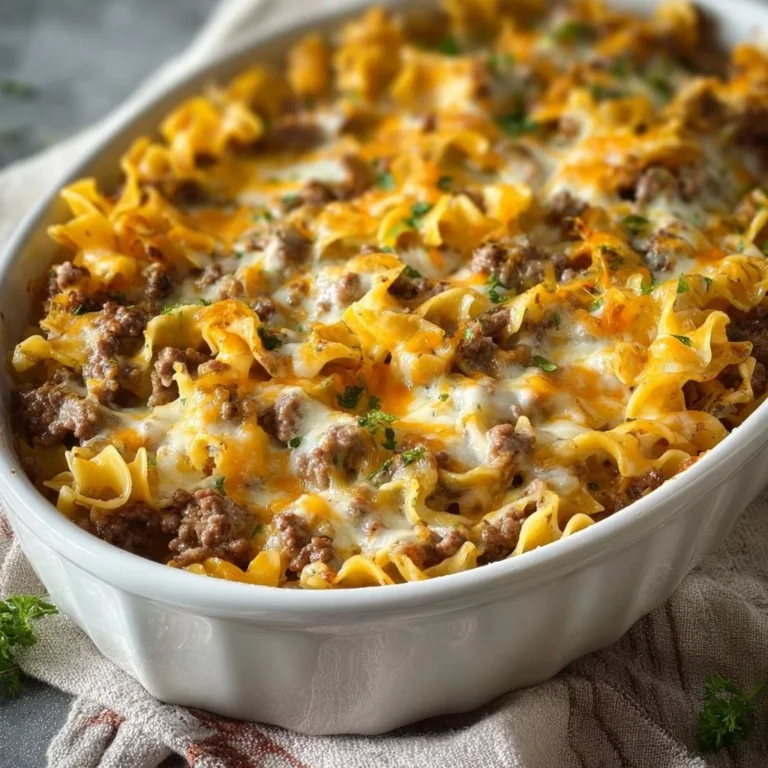
The first time I lifted a forkful of this Gordon Ramsay Ground Turkey Pasta: Creamy Comfort in Minutes, I was struck by the warm, savory perfume of browned turkey and garlic blending with a silky, tomato-tinged cream—like a winter blanket for the palate. Many home cooks worry that a “restaurant” dish requires time-consuming technique or hard-to-find ingredients, but this recipe is proof that you can achieve depth and polish with straightforward steps and a few mindful choices. I’ll show you how to make a dish that looks plated for company and tastes like an indulgent night out—without sacrificing speed or ease. If you enjoy layered, cheesy pasta, you might also like my adaptation of creamy spinach rigatoni, which follows a similar approach to comfort and balance.
A Quick Look at This Gordon Ramsay Ground Turkey Pasta Recipe
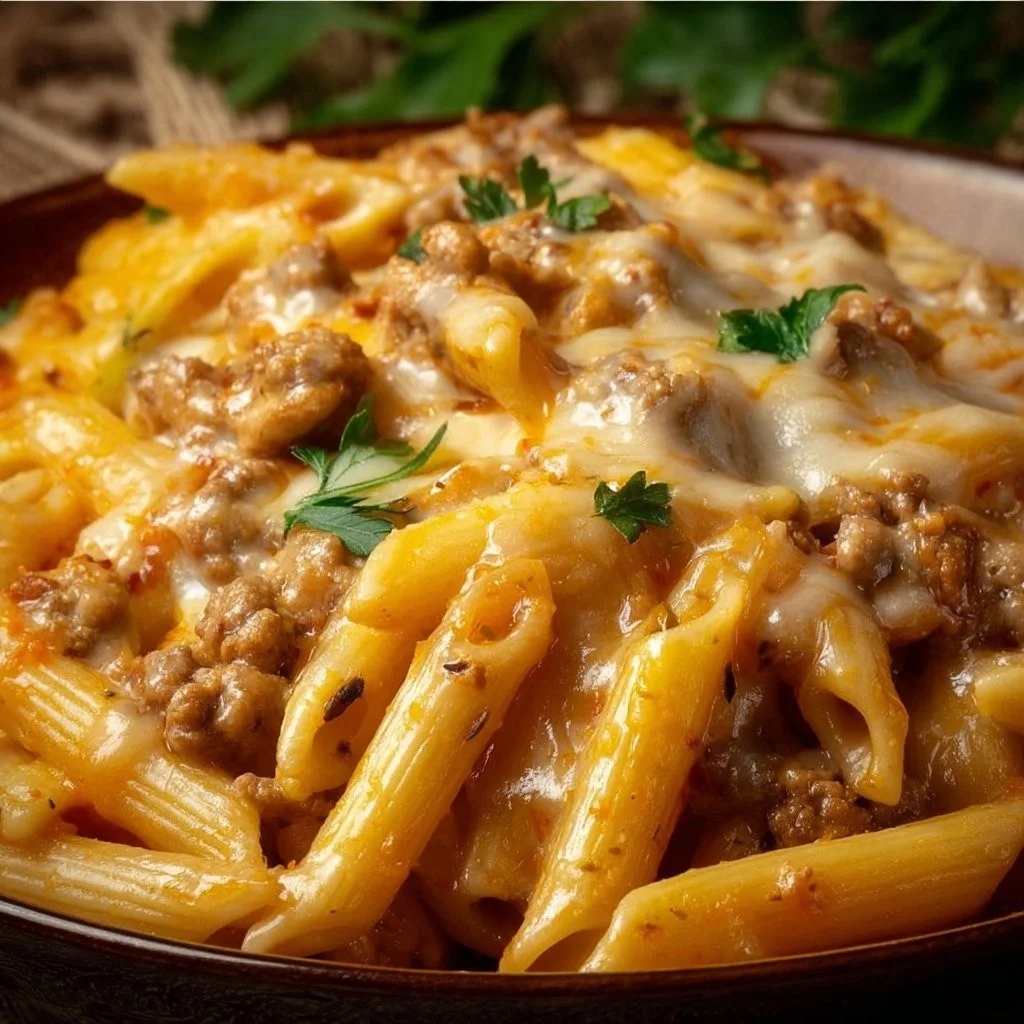
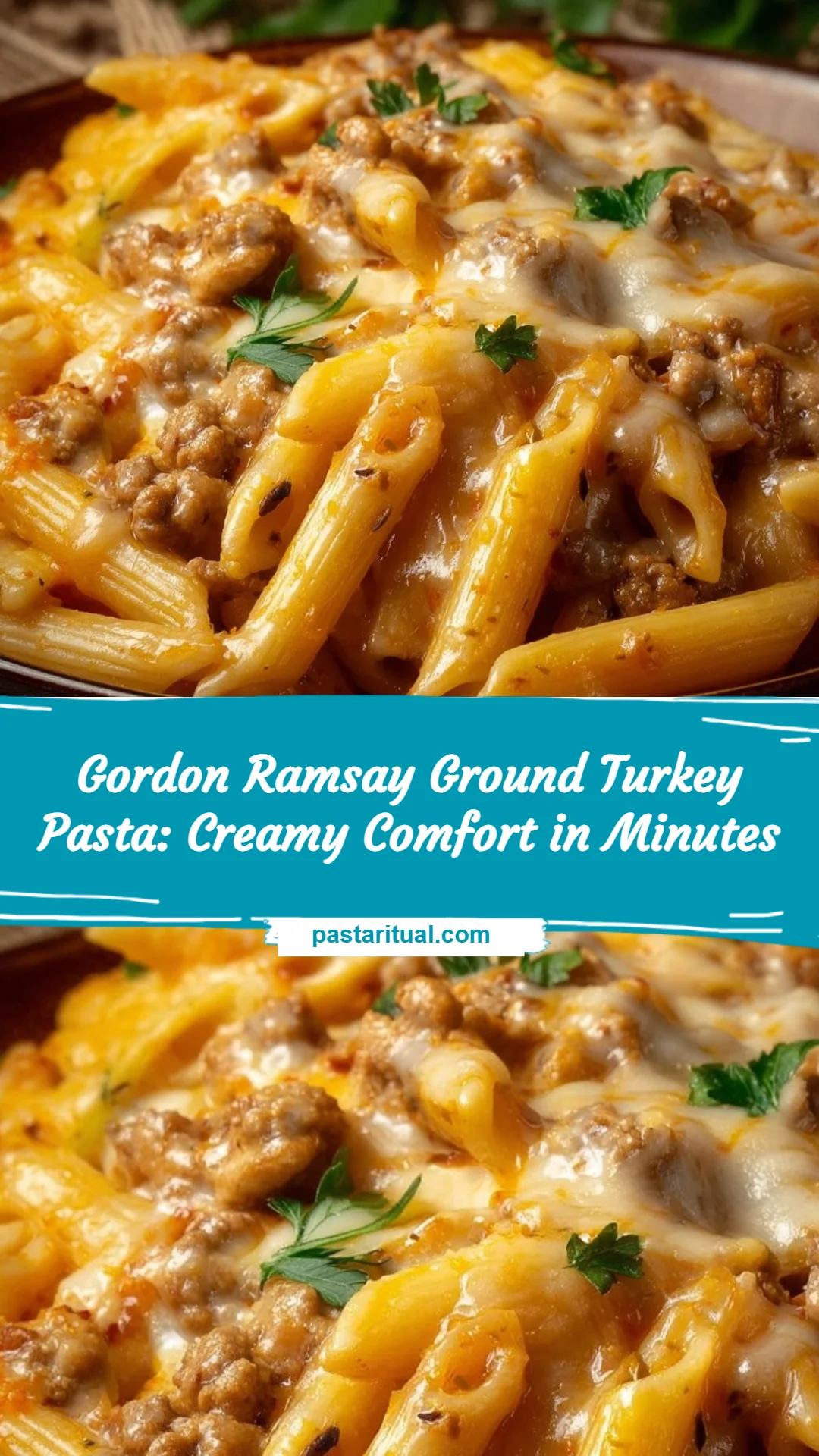
This Gordon Ramsay Ground Turkey Pasta: Creamy Comfort in Minutes centers on two standout ingredients: lean ground turkey, caramelized for savory depth, and a velvet-y half-and-half-tomato sauce that marries brightness with indulgence. The result is a pasta with comforting, layered flavors and an irresistibly gooey cheese finish that photographs and plates beautifully. It’s ideal for weeknights when you want something elevated but attainable—the kind of dish that feeds the family and also impresses guests. Read on for simple techniques that yield restaurant-quality texture and a few chef’s tricks that make the flavors sing.
Ingredients You’ll Need for Gordon Ramsay Ground Turkey Pasta
Essentials
- 8 ounces penne pasta (use any sturdy shape you love—rigatoni or fusilli hold sauce beautifully)
- 2 tablespoons olive oil (or canola/vegetable oil for a neutral flavor)
- 1 medium yellow onion, finely diced (a red onion offers a sharper edge if you prefer)
- 1 pound ground turkey (choose lean-to-medium fat; substitute ground beef or turkey for a different profile)
- 1 teaspoon salt (adjust to taste; kosher salt is forgiving)
- 1 teaspoon freshly cracked black pepper
- 1 teaspoon Italian seasoning (or a mix of dried oregano, basil, and thyme)
- 2 cloves garlic, minced (garlic powder in a pinch—use less)
- 2 tablespoons all-purpose flour (swap for gluten-free flour if needed)
- 1 cup chicken broth (vegetable broth works well for a milder, meatless base)
- 1 cup tomato sauce (use crushed or diced canned tomatoes for a chunkier texture)
- 1/2 cup half-and-half (substitute heavy cream for a richer finish, or unsweetened non-dairy milk for a lighter take)
- 1 cup mozzarella cheese, shredded (or provolone/dairy-free melting cheese)
- 1 cup cheddar cheese, shredded (sharp cheddar adds character; feel free to blend)
- 1/4 cup fresh parsley, chopped (for brightness and color)
- 1 teaspoon red chili flakes (optional, for gentle heat)
Essentials focus on fresh aromatics, reliable pantry items, and two melty cheeses that create the signature creamy, slightly stretchy finish. Choosing good-quality tomato sauce and fresh garlic lifts the whole dish.
Optional Add-ons
- A handful of baby spinach or kale stirred in at the finish for color and nutrients
- A splash of lemon juice (about 1 teaspoon) to brighten the sauce at the end
- Grated Parmesan for serving, if you like a salty, nutty finish
- Toasted pine nuts or chopped walnuts for a contrasting crunch
- A few sun-dried tomatoes chopped and folded into the sauce for concentrated umami
- Fresh basil leaves for a fragrant, herbal lift at plating
These add-ons can transform the pasta into a more complex, restaurant-style plate without adding complexity to the method.
Substitutions and Shortcuts
- Pasta: Any short, ridged shape (penne, rigatoni, ziti) works. If you only have long pasta, cut it after cooking for easier serving.
- Ground protein: Ground chicken or beef are seamless swaps; for vegetarian, use seasoned plant-based crumbles and vegetable broth.
- Dairy: Half-and-half can be replaced with heavy cream for extra silkiness, or with unsweetened oat or cashew milk for a dairy-free option—thicken slightly with an extra tablespoon of flour.
- Tomato sauce: Use canned crushed tomatoes seasoned with a pinch of sugar if your sauce tastes too acidic.
- Broth: If you only have bouillon, dissolve it in hot water; low-sodium versions allow better salt control.
- Cheese: Mix in any melty cheese you enjoy—Monterey Jack, fontina, or a blend will work beautifully.
- Time-saving shortcut: Use pre-shredded cheese and pre-chopped onions from the grocery store to save preparation time; just be mindful pre-shredded cheese sometimes contains anti-caking agents that can affect melty texture.
Substitutions and shortcuts are designed to preserve the dish’s essence—creamy texture and balanced flavor—so you can adapt based on what’s in your kitchen.
How to Make Gordon Ramsay Ground Turkey Pasta Step-by-Step
I’ll take you through the sequence I use every time I make this pasta. The goal is a well-browned turkey for depth, a roux-based cream-tomato sauce for silkiness and body, and a final cheese merge that binds everything into a glossy, comforting sauce.
Bring salted water to a boil for the pasta. Drop the penne and cook until just shy of al dente—about 1–2 minutes less than package directions. Reserving some pasta water will help marry sauce and pasta later; I usually scoop out 3/4 cup before draining.
- Why this matters: Undercooking here prevents the pasta from becoming limp when it finishes in the sauce; the starch in the reserved water helps the sauce cling later.
While the pasta cooks, heat the olive oil in a large skillet over medium-high heat. Add the diced onion and cook until soft and translucent, about 4–5 minutes. Add a pinch of salt early to draw moisture and accelerate caramelization.
- Why this matters: Soft, slightly caramelized onions are the aromatic backbone—they add sweetness that balances the tomato and turkey.
Push the onions to one side, add the ground turkey to the pan, and break it up with a wooden spoon. Spread it into a flatter layer and let it sit undisturbed for 2–3 minutes to encourage browning, then continue to cook and crumble until no pink remains. Season with the teaspoon of salt, black pepper, and Italian seasoning as the turkey cooks.
- Why this matters: Browning—aka the Maillard reaction—creates concentrated savory notes that make the sauce taste rich without extra ingredients.
Add the minced garlic and cook for 30–45 seconds until fragrant. Sprinkle the 2 tablespoons of flour over the turkey and onions, stirring to coat evenly. Cook the flour for about a minute to eliminate raw taste; this is the start of a light roux that will thicken the sauce.
- Why this matters: The flour integrates with the fat to create the base of the sauce, giving it body and a velvety texture without lumps if done correctly.
Gradually pour in the chicken broth while stirring, scraping any browned bits from the pan. Add the tomato sauce and stir to combine. Bring the mixture to a gentle simmer and let it cook for 4–6 minutes, allowing the sauce to reduce slightly and concentrate flavors.
- Why this matters: Deglazing the pan with broth lifts flavorful fond (the browned bits) into the sauce. Simmering melds acidity from the tomato with the savory turkey.
Lower the heat and stir in the half-and-half, warming gently without boiling. Adjust seasoning—taste for salt and pepper—and add red chili flakes if you want a touch of heat.
- Why this matters: Adding dairy off-heat or over low heat prevents curdling and preserves the silky consistency; the half-and-half softens the tomato acidity and creates a luxurious mouthfeel.
Add the drained pasta to the pan along with a splash of the reserved pasta water. Toss to coat thoroughly. Stir in the shredded mozzarella and cheddar, one handful at a time, stirring until melted and the sauce becomes glossy. If the sauce feels thick, add more reserved pasta water a tablespoon at a time to reach your desired consistency.
- Why this matters: Tossing pasta in the sauce finishes the cooking and allows the pasta to absorb flavor. Adding cheese off the heat and using reserved starchy water helps create that clingy, restaurant-quality emulsion.
Remove from heat, fold in most of the chopped parsley (saving a little for garnish), and let rest for 1–2 minutes to let the flavors settle. Serve immediately, finishing each plate with a sprinkle of parsley and another pinch of chili flakes if you like heat.
- Why this matters: A short rest integrates the cheese and sauce and keeps the dish from being too soupy. Fresh parsley brightens the rich flavors and adds a fresh, herbal note.
This method keeps the technique approachable while highlighting why each step contributes to the final flavor and texture. When I make it, I focus on patience while browning and control over the heat when adding dairy—those small attentions yield a big payoff.
Common Mistakes to Avoid
Everyone learns by doing; consider these common missteps as simple course corrections that will improve your results the next time you cook this dish.
Mistake 1: Overcooking the Pasta
If you cook penne until fully soft in the pot, it will absorb too much sauce when finished and become mushy. Aim for just shy of al dente—this lets the pasta finish in the sauce and retain a pleasing bite.
Mistake 2: Skimping on Browning the Turkey
Rushing the turkey or stirring constantly prevents proper browning. Letting the meat contact the hot pan forms those flavorful brown bits that make the sauce taste rich and complex. Patience here rewards you with depth.
Mistake 3: Adding Dairy Over High Heat
Pouring half-and-half or cream into a vigorously boiling sauce can cause separation. Reduce the heat to low, or temper the dairy by whisking a small amount of warm sauce into it first—this keeps the sauce luxuriously smooth.
Serving Suggestions for Gordon Ramsay Ground Turkey Pasta
This pasta presents beautifully with a few simple finishing touches. I like to think about contrast—texture, color, and acidity—to keep the plate balanced and visually inviting.
Elegant Weeknight Plating
Serve portions in shallow bowls, twirling a nest of penne with a wide spoon to create height. Finish with a scattering of chopped parsley and a tiny drizzle of extra-virgin olive oil for sheen. A short grating of Parmesan adds a savory, salty top note that draws the eye.
Family-Style Comfort
Transfer the pasta to a warmed serving dish and sprinkle extra cheddar across the top, then place the dish on the table for everyone to help themselves. Add a simple green salad with lemon vinaigrette to cut through the richness and rounds out the meal.
Casual Dinner Party
Plate the pasta with a handheld sprinkle of toasted nuts for crunch, a few leaves of basil for aroma, and serve with crusty bread for sopping up sauce. Small ceramic ramekins with additional red chili flakes and grated cheese let guests personalize their plates.
Conclusion
I believe this Gordon Ramsay Ground Turkey Pasta: Creamy Comfort in Minutes is one of those recipes that quietly teaches you confidence in the kitchen—one skillet, straightforward technique, and a few intentional choices produce a dish that tastes elevated and looks worth company. It’s flexible: switch the protein, fold in leafy greens, or experiment with your favorite melty cheese to make it truly yours. If you’re curious about the inspiration behind this quick turkey-pasta approach, I found a delightful variation that captures the same spirit at Gordon Ramsay’s 10-minute Turkey Pasta – Blythes Blog. Try it, then come back and add your personal flourish—I love hearing how cooks adapt a recipe to their table.
FAQs About Gordon Ramsay Ground Turkey Pasta
Yes—you can prepare the sauce up to a day ahead and refrigerate it. Reheat gently on low, add a splash of broth or water to loosen the sauce, then toss with freshly cooked pasta for the best texture. I avoid reheating pasta already combined with sauce because it tends to absorb moisture and becomes softer.
The cooked sauce (without pasta) freezes well for up to 2 months in a freezer-safe container. Defrost in the refrigerator overnight, reheat gently, then combine with freshly cooked pasta. Freezing fully assembled pasta can affect texture, as the dairy and pasta may separate or soften.
To lighten the dish, use low-fat half-and-half or a fortified unsweetened plant-based milk and increase the amount of broth. Add a generous handful of spinach or kale at the end to boost volume and nutrition without adding many calories.
Avoid adding too much liquid at once. When finishing the pasta, add reserved pasta water sparingly—just enough to create a glossy emulsion—then stop. If the sauce becomes too thin, simmer gently to reduce a bit, or stir in a small additional sprinkle of shredded cheese to bind the sauce.
You can, but freshly shredded cheese melts more evenly and yields a creamier sauce. Pre-shredded cheese often contains anti-caking agents that can prevent a smooth melt. If convenience matters, pre-shredded will still work—just warm slowly and stir gently to integrate.
Gordon Ramsay Ground Turkey Pasta
Ingredients
Method
- Bring salted water to a boil for the pasta.
- Drop the penne and cook until just shy of al dente, about 1–2 minutes less than package directions.
- Reserve 3/4 cup of pasta water before draining.
- While the pasta cooks, heat the olive oil in a large skillet over medium-high heat.
- Add the diced onion and cook until soft and translucent, about 4–5 minutes.
- Push the onions to one side, add the ground turkey, breaking it up with a wooden spoon.
- Let the turkey sit undisturbed for 2–3 minutes to encourage browning, then continue to cook until no pink remains.
- Add minced garlic and cook for 30–45 seconds until fragrant.
- Sprinkle the flour over the turkey and onions, stir to coat, and cook for about a minute.
- Gradually pour in the chicken broth while stirring, scraping any browned bits from the pan.
- Add the tomato sauce and stir, bringing to a gentle simmer for 4–6 minutes.
- Lower the heat and stir in the half-and-half, warming gently without boiling.
- Add the drained pasta to the pan with a splash of reserved pasta water and toss to coat thoroughly.
- Stir in shredded mozzarella and cheddar, one handful at a time, until melted.
- Remove from heat, fold in most of the chopped parsley, and let rest for 1–2 minutes before serving.