Garlic Butter Lobster Pasta
I still remember the first time I twirled a forkful of buttery linguine flecked with sweet lobster and fragrant garlic — the steam rising, the bright pop of parsley, the surprising ease of it all. Many home cooks hesitate before attempting lobster: it sounds expensive, fiddly, or “too restaurant.” I promise this Garlic Butter Lobster Pasta delivers that elevated, restaurant-quality moment without requiring advanced technique or long hours. If you like creamy garlic pastas, I’ve distilled a similar, weeknight-friendly approach in my one-pot creamy garlic pasta, and the same comforting, confident methods apply here.
A Quick Look at This Garlic Butter Lobster Pasta Recipe
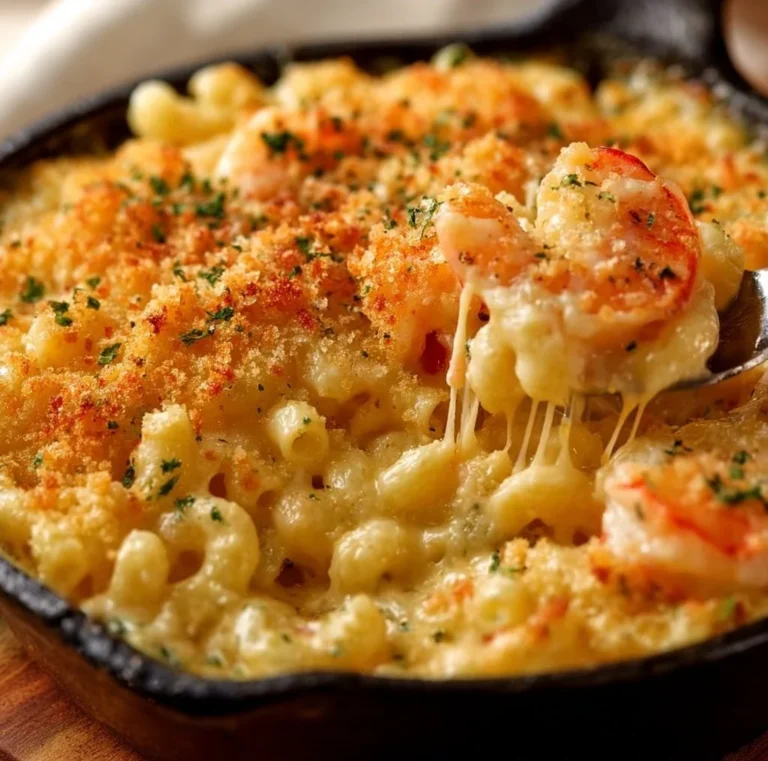
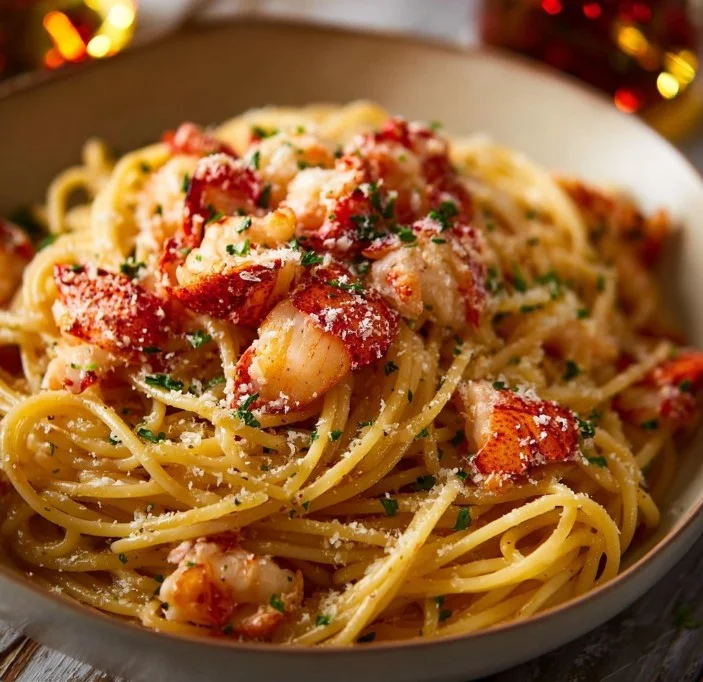
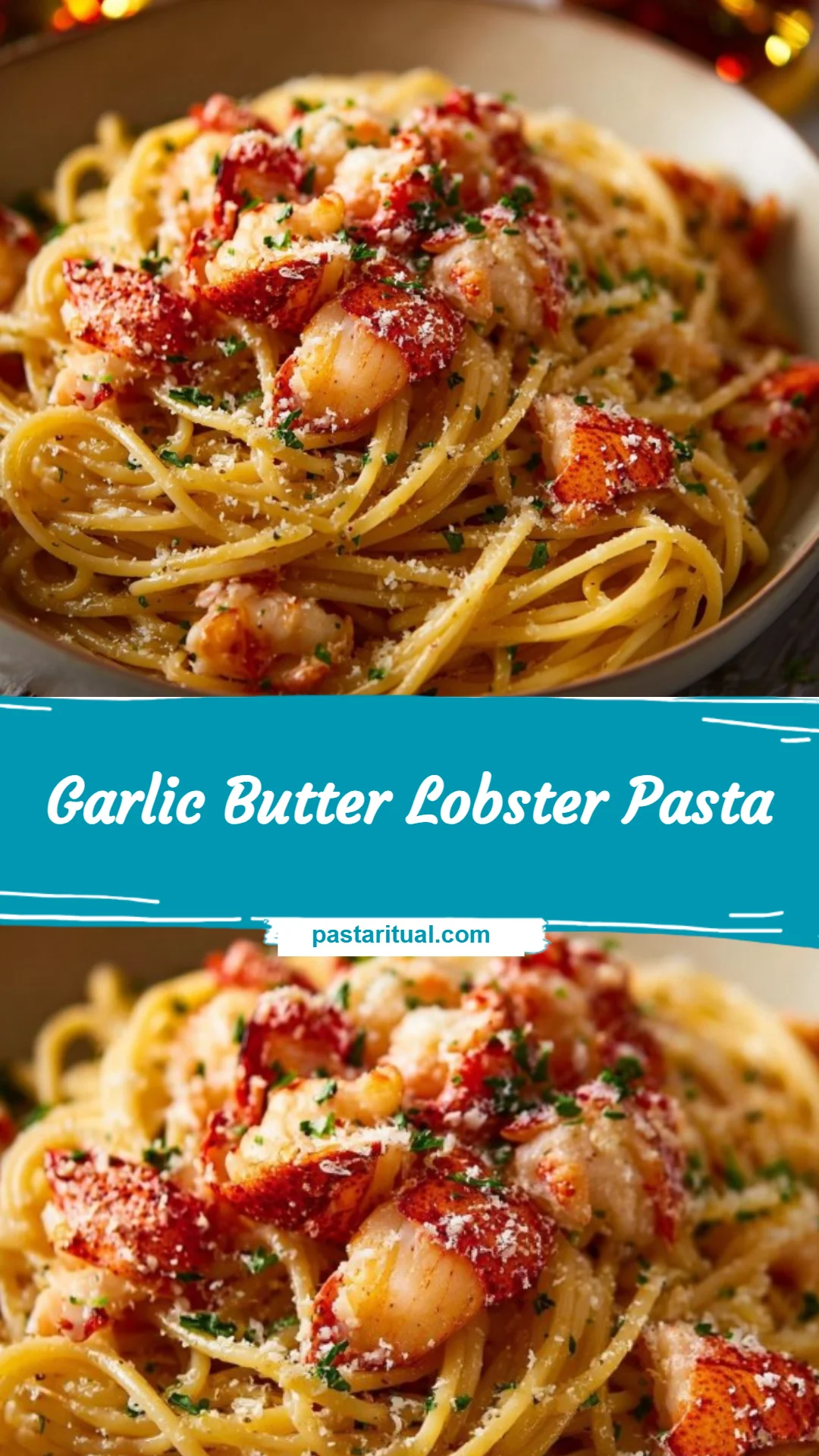
This Garlic Butter Lobster Pasta balances sweet, tender lobster with a luscious garlic-butter cream sauce and nutty Parmesan. The star ingredients—real lobster and fragrant garlic—define the dish, while butter and cream give the sauce a silky mouthfeel that coats each strand of linguine or fettuccine. It presents beautifully: ruby lobster morsels against pale, glossy pasta, flecked with green parsley and a dusting of cheese. Despite its upscale flavor, the recipe is straightforward and forgiving, making it perfect for an impressive weeknight dinner or a celebratory weekend meal. Keep reading to learn the small technique shifts that make this feel effortlessly gourmet.
Ingredients You’ll Need for Garlic Butter Lobster Pasta
Essentials
- 8 oz linguine or fettuccine — Choose a high-quality semolina pasta for a firm, toothsome bite; the long strands catch the sauce beautifully.
- 2 cooked lobster tails, chopped — Use fully cooked lobster (store-bought or home-poached) for convenience; the sweet, briny meat is the recipe’s centerpiece.
- 4 tablespoons unsalted butter — Unsalted lets you control seasoning; use European-style butter for a richer mouthfeel if available.
- 4 cloves garlic, minced — Fresh garlic provides the aromatic backbone; finely mince so it melds into the sauce without harsh bites.
- 1/2 teaspoon red pepper flakes (optional) — A whisper of heat lifts the richness; add more if you like a little zing.
- 1/2 cup heavy cream — Creates the silky, clingy sauce; full-fat yields the most luxurious texture.
- 1/2 cup grated Parmesan cheese — Freshly grated Parmesan melts smoothly and adds nutty umami that balances the cream.
- Salt and freshly ground black pepper, to taste — Season in layers: pasta water, sauce, and final taste before serving.
- Chopped fresh parsley, for garnish — Brightens the plate and adds a fresh, herbaceous finish.
Optional Add-ons
- Lemon zest and a squeeze of lemon juice — Adds a bright, citrus lift that complements lobster’s sweetness.
- A knob of extra butter to finish — For an extra-glossy sauce, finish with cold butter off the heat and swirl until incorporated.
- A few grinds of smoked paprika — A tiny whisper enhances depth without overpowering the delicate shellfish.
- Lightly toasted breadcrumbs — Sprinkle just before serving for a contrasting crunch and rustic flair.
- A flurry of chopped chives or tarragon — Delicate herbs pair wonderfully with seafood; toss gently so they don’t wilt.
If you appreciate herb-forward pasta salads, I often recommend the fresh basil notes in my Caprese pesto pasta salad—those bright flavors make a lovely counterpoint to a rich lobster pasta at the table.
Substitutions and Shortcuts
- Lobster: If fresh lobster tails aren’t available, use cooked lump lobster meat from the market or high-quality frozen lobster—thawed and patted dry. For a more budget-friendly option, firm white shrimp can stand in, though the flavor shifts slightly.
- Pasta: Swap linguine or fettuccine for tagliatelle or bucatini if you prefer a wider ribbon or a slightly hollow noodle for sauce cling.
- Cream: For a lighter sauce, use half-and-half and a teaspoon of cornstarch dissolved in a tablespoon of cold water to help thicken. The texture won’t be as rich but will still coat the pasta.
- Cheese: If you’re out of Parmesan, aged Pecorino Romano works and brings a tangier note—use a little less, as it’s saltier.
- Time-saver: Use pre-minced garlic in a pinch but add it later and watch carefully to avoid the metallic, cooked-off flavor; fresh is best.
How to Make Garlic Butter Lobster Pasta Step-by-Step
I write these directions the way I cook them: steady, unhurried, and focused on the moments that transform good into memorable. The goal is a creamy, balanced sauce and lobster that remains tender.
Cook the pasta to al dente.
- Bring a large pot of well-salted water to a rolling boil. The water should taste like the sea—this is your primary seasoning for the pasta. Add the linguine or fettuccine and boil according to package directions until just al dente. Reserve one cup of the starchy pasta water before draining; that liquid is magic for smoothing and thinning the sauce if it tightens up. Drain the pasta and set it aside but keep it warm. I often leave the colander in the sink for now so I can return the pasta to the pan later without losing heat.
Build the garlic-butter base.
- In a large skillet over medium heat, melt the butter until it foams gently. Add the minced garlic and the optional red pepper flakes. Stir constantly for 30–60 seconds—just long enough for the garlic’s raw edge to soften and for the aroma to bloom. You want the garlic soft and fragrant, not browned; once you smell that nutty-sweet perfume, you’re ready for the next step. This short, controlled cook prevents the garlic from becoming bitter.
Enrich with cream and simmer into a sauce.
- Pour in the heavy cream and stir to combine, bringing the mixture to a gentle simmer. Let it cook for 2–3 minutes until it slightly thickens; you’re concentrating flavor and allowing the butter and cream to marry. If the sauce seems too thin at this point, a modest simmer will concentrate it without breaking the emulsion. Keep the heat moderate—too high can separate the fats.
Combine pasta and lobster with the sauce.
- Add the drained pasta to the skillet and toss to coat every strand in the glossy sauce. Gently fold in the chopped cooked lobster meat. The lobster is already cooked, so the goal is to warm it through without overcooking; about 1–2 minutes is enough. If the sauce feels stiff or clings too thickly to the noodles, add a splash of the reserved pasta water—start with two tablespoons and add more as needed. That starchy water loosens the sauce and helps it cling to the pasta in a silky way.
Finish with Parmesan and seasoning.
- Remove the pan from the heat and stir in the grated Parmesan until it melts smoothly into the sauce, adding creaminess and savory depth. Taste and season with salt and plenty of freshly ground black pepper. A final taste will tell you whether a squeeze of lemon or another grind of pepper is welcome. If you choose to add lemon zest or juice, do it now for a bright counterpoint.
Plate and garnish with finesse.
- Twirl or nest the pasta onto warmed plates so it sits tall and inviting. Scatter the lobster pieces so they’re visible and tempting. Garnish with chopped fresh parsley for color and vibrancy, and offer extra grated Parmesan at the table. Serve immediately while the sauce is glossy and warm.
Throughout the process I remind myself to work in gentle movements—toss and fold rather than vigorous stirring—so the lobster stays intact and the sauce remains silky. These small choices yield a composed, restaurant-style plate.
Common Mistakes to Avoid
Cooking is a series of small decisions; mistakes are simply opportunities to learn how a dish responds. Here are three common missteps I see home cooks make with Garlic Butter Lobster Pasta, and how to turn them into wins.
Mistake 1: Overcooking the lobster
Lobster is lean and delicate. If you heat it too long, it becomes rubbery and loses its sweet, briny character. Keep the lobster already cooked and gently warm it in the sauce for only a minute or two. If you’re starting with raw lobster, poach it briefly and cool it quickly to stop carryover cooking.
Mistake 2: Burning the garlic
Garlic can go from fragrant to bitter in seconds. Cook the minced garlic only until it softens and becomes aromatic—usually under a minute over medium heat. If you see any browning, lower the heat or remove the pan briefly; a bitter garlic note will linger and compete with the delicate lobster flavor.
Mistake 3: Sauce that’s too thin or too gloopy
An under-thickened sauce will slip off the pasta; an over-reduced one will clump. Use the reserved pasta water judiciously to loosen the sauce and create a silky emulsion. If your sauce tightens too much while tossing, add 1–2 tablespoons of the reserved water at a time until you reach a glossy, clingy consistency.
Serving Suggestions for Garlic Butter Lobster Pasta
A simple, thoughtful presentation elevates the experience. This dish benefits from restrained accompaniments that balance richness, texture, and brightness.
Elegant plating and finishing touches
Plate the pasta in neat nests, scattering lobster pieces across the top rather than burying them. Finish with a drizzle of melted butter or a gentle grind of black pepper. A few shards of extra Parmesan and a sprinkle of chopped parsley create contrast and visual polish.
Complementary sides
Serve with a crisp, acidic salad—think peppery arugula with lemon vinaigrette or a shaved fennel and citrus salad—to cut through the richness. Warm, crusty bread or grilled garlic bread is ideal for mopping up sauce, while lightly sautéed green beans or baby spinach add a verdant, textural counterpoint.
Best occasions and pacing
This Garlic Butter Lobster Pasta is a lovely choice for an intimate dinner, anniversary, or a small celebratory gathering. Because it’s quick to execute once the components are ready, you can spend less time at the stove and more time with guests. Time the final toss and plating so the sauce stays glossy and the lobster remains warm but tender.
Conclusion
I hope I’ve shown how accessible restaurant-quality Garlic Butter Lobster Pasta can be: with a handful of high-quality ingredients and a few careful moments at the stove, you’ll create a dish that tastes indulgent and looks composed. It’s flexible—welcome to add a bright squeeze of lemon, a hint of herbs, or a crunchy breadcrumb finish to make it your own. If you’d like inspiration from another excellent version, I often look to The BEST Garlic Lobster Pasta · i am a food blog for riffs and plating ideas when I want to evolve the recipe further. Try it once, savor the textures and aromas, and you’ll find this recipe is as confidence-building as it is impressive. I’d love to hear how you personalize it—share your twists and any questions you have.
FAQs About Garlic Butter Lobster Pasta
Yes — frozen cooked lobster works well and is a convenient option. Thaw it gently in the refrigerator overnight and pat it dry before adding to the sauce. I recommend warming it only briefly in the pan so it retains its tender texture and bright flavor.
To lighten the dish, substitute half-and-half for heavy cream and stir in a teaspoon of cornstarch dissolved in cold water to help thicken. Finish with a splash of fresh lemon juice or zest to brighten the sauce; the acidity tricks the palate into perceiving more lightness.
Absolutely. Cook the lobster and refrigerate it for up to two days, and boil the pasta but toss it with a teaspoon of olive oil and refrigerate separately. When you’re ready, reheat the sauce gently and combine everything for a quick finish. Avoid fully assembling far in advance so the sauce and pasta don’t become gummy.
Long ribbon pastas like linguine or fettuccine are ideal because they pick up the sauce and present elegantly, but tagliatelle or pappardelle also work. If you favor a bite with more sauce per forkful, try bucatini or spaghetti. The key is cooking to al dente so the noodle holds up against the rich sauce.
Keep the heat moderate and avoid rapid boiling once cream is added. Stir in the Parmesan off the heat and use reserved pasta water incrementally to adjust consistency. Emulsifying with a small knob of cold butter at the end can also stabilize and gloss the sauce without causing separation.
Garlic Butter Lobster Pasta
Ingredients
Method
- Bring a large pot of well-salted water to a rolling boil. Cook the linguine or fettuccine according to package directions until just al dente.
- Reserve one cup of starchy pasta water before draining, then drain the pasta and keep it warm.
- In a large skillet over medium heat, melt the butter until it foams gently.
- Add the minced garlic and red pepper flakes, stirring constantly for 30 to 60 seconds until fragrant but not browned.
- Pour in the heavy cream and stir to combine. Let it simmer for 2-3 minutes until slightly thickened.
- Add the drained pasta and gently fold in the chopped lobster, warming for 1-2 minutes. Adjust sauce consistency with reserved pasta water as needed.
- Remove from heat and stir in the grated Parmesan until melted. Season with salt, pepper, and add lemon zest or juice if desired.
- Plate the pasta, scatter lobster pieces on top, and garnish with parsley and extra Parmesan.