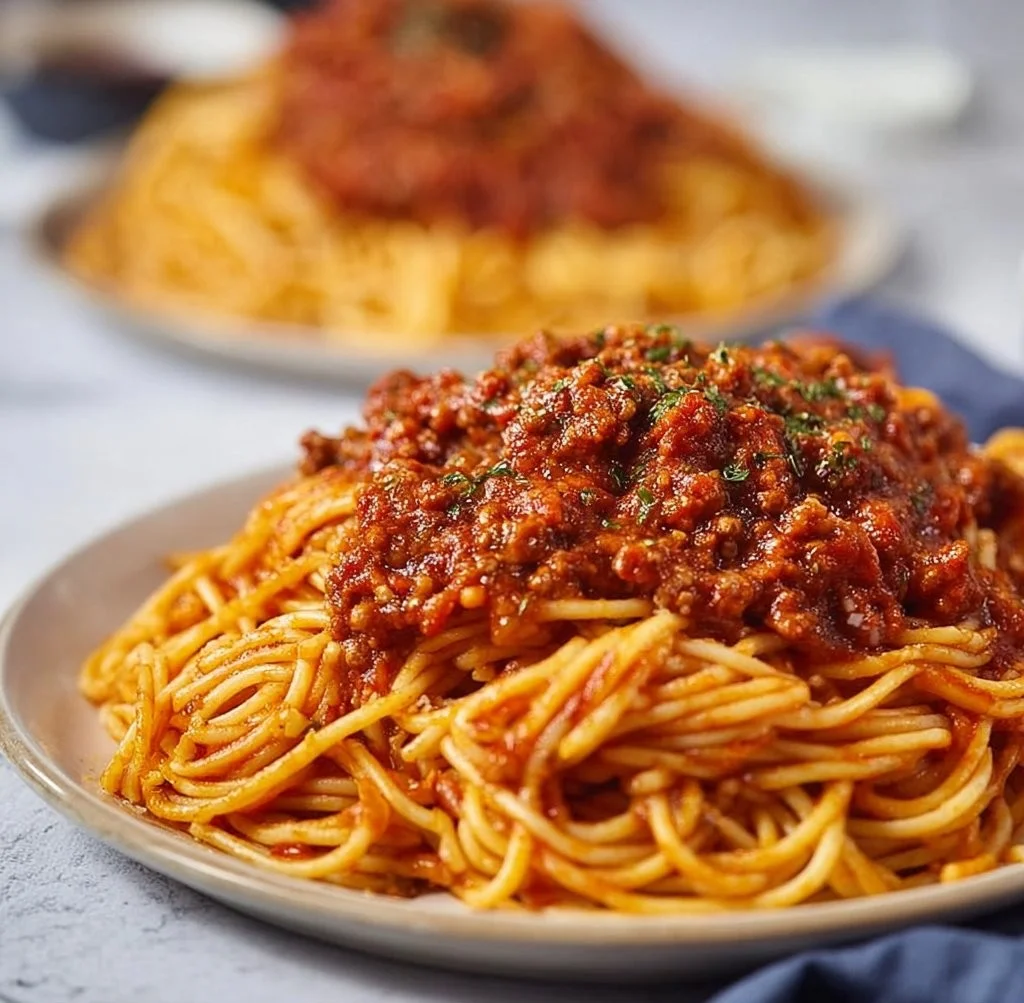
Easy Chicago-style Spaghetti
Have you ever opened your pantry at 5 p.m., sighed, and suddenly craved something warm and simple—like a plate of saucy spaghetti that feels like a hug? I have, and one winter evening a clumsy sauce spill turned into a kitchen laugh and an even better dinner. If you’re a beginner worried about timing pasta and sauce just right, I promise this recipe is forgiving and stress-free. While you read, you might also enjoy my take on another weeknight favorite over at an easy baked spaghetti recipe that uses many of the same cozy skills.
A Quick Look at This Easy Chicago-style Spaghetti Recipe
Easy Chicago-style Spaghetti is built around two main players: hearty Italian-style sausage (I recommend beef, turkey, or plant-based) and a simple crushed tomato sauce. It’s comforting, quick to make, and fills the house with that “dinner’s ready” aroma in under 30 minutes. This recipe is perfect for home cooks and beginners because it doesn’t require fancy techniques—just some sautéing, simmering, and tossing. Keep reading if you want a straightforward method, little tips to avoid soggy pasta, and tasty ways to make it your own.
Ingredients You’ll Need for Easy Chicago-style Spaghetti
Essentials
- Spaghetti (12–16 ounces, depending on servings)
- Italian sausage (about 1 pound — choose beef, chicken, turkey, or plant-based; see substitutions)
- Olive oil (1–2 tablespoons)
- Garlic (3 cloves, minced)
- Onion (1 medium, finely chopped)
- Canned crushed tomatoes (one 28-ounce can)
- Italian seasoning (1–2 teaspoons)
- Salt (to taste)
- Black pepper (freshly ground, to taste)
- Parmesan cheese (freshly grated for serving)
These are the core ingredients that give the dish its structure: pasta for bulk, sausage for savory depth, and crushed tomatoes for a smooth, comforting sauce.
Optional add-ons
- Crushed red pepper flakes (for a little heat)
- Fresh basil or parsley (a handful, chopped, stirred in at the end)
- A splash of heavy cream or a tablespoon of butter (for a silkier sauce)
- Grated Pecorino Romano (to mix with or swap for Parmesan)
- A few sliced mushrooms, bell peppers, or baby spinach (for extra veggies)
- Toasted breadcrumbs (for a crunchy topping)
These extras let you adapt the dish to what’s in your fridge or the flavor profile you prefer. I often toss in a handful of spinach at the last minute for color and a nutrient boost.
Substitutions and shortcuts
- Italian sausage: Choose ground turkey, ground chicken, beef Italian-style sausage, or a plant-based sausage crumbled and browned. Season with extra fennel seed or garlic powder to mimic classic flavors.
- Canned crushed tomatoes: Use one can of crushed tomatoes plus a few tablespoons of tomato paste if you want a thicker, richer sauce, or use crushed fire-roasted tomatoes for a smoky twist.
- Spaghetti: Any long pasta (linguine, bucatini) or even short pasta (penne, ziti) works. Cooking times vary slightly.
- Parmesan: Pre-grated cheese will work in a pinch, but freshly grated gives better flavor and texture.
- Time-saver: Use pre-chopped onions or jarred minced garlic if you need a fast weeknight version—just be mindful they can brown faster, so watch the heat.
These substitutions keep the recipe friendly to dietary preferences and busy nights while still delivering the cozy comfort you want.
How to Make Easy Chicago-style Spaghetti Step-by-Step
I’ll walk you through this recipe like I’m standing at the stove with you—clear steps, little checks, and a few tips to prevent common beginner pitfalls.
- Prepare the pasta first so everything finishes together. Bring a large pot of salted water to a rolling boil (use about 1 tablespoon salt per 4–6 quarts of water). Add the spaghetti and cook according to the lower end of the package time for al dente—usually 8–10 minutes. Stir once or twice during cooking to keep strands from sticking. Right before draining, reserve 1 cup of the pasta cooking water in case your sauce needs loosening. Drain the pasta in a colander and set it aside while you finish the sauce. Keeping the pasta warm in the colander is fine; you’ll toss it into the hot sauce right away.
- Start the flavor base: heat a large skillet over medium heat and add 1 to 2 tablespoons of olive oil. When the oil shimmers, add the chopped onion. Sauté the onion, stirring often, until it becomes translucent and just starting to color—about 4–6 minutes. Add the minced garlic and cook for 30–45 seconds until fragrant. Watch the garlic carefully; it browns quickly and can taste bitter if overcooked.
- Brown the sausage: add your chosen Italian-style sausage to the skillet. If you’re using links, remove casings (if present) and crumble the meat as it cooks. Use a wooden spoon or spatula to break the sausage into small pieces so it browns evenly. Let it cook undisturbed for a couple minutes so some pieces develop a golden crust, then stir and continue cooking until fully browned and no pink remains—about 6–8 minutes total. If there’s excess fat, tilt the pan and spoon out most of it, or blot with a paper towel. For lean varieties, you may not need to remove anything.
- Build the sauce: pour in the crushed tomatoes and sprinkle in 1–2 teaspoons of Italian seasoning. Stir well to combine, scraping up any browned bits from the bottom of the pan—those are flavor gold. Season with a generous pinch of salt and a few grinds of black pepper. Bring the sauce to a gentle simmer. Let it simmer, uncovered, for about 8–12 minutes to meld the flavors and thicken slightly. Taste and adjust seasoning. If the sauce tastes too acidic, stir in a pinch of sugar or a small pat of butter to round it out.
- Finish the pasta in the sauce: add the drained spaghetti directly to the skillet with the sauce. Using tongs, toss or gently fold the pasta into the sauce so every strand gets coated. If the sauce feels too tight or thick, add a splash of the reserved pasta water (start with 2 tablespoons and add more as needed) to loosen it and help the sauce cling to the pasta. Cook together for 1–2 minutes over low heat so the pasta absorbs a touch of sauce flavor.
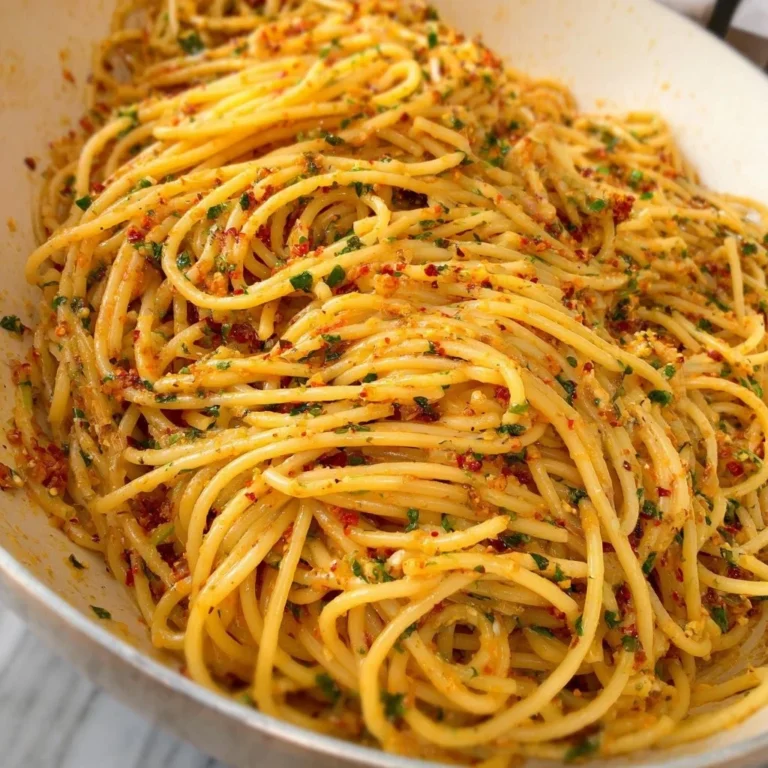
- Plate and garnish: divide the spaghetti among bowls or a large serving platter. Grate Parmesan cheese over the top (freshly grated melts beautifully). If you like, finish with a drizzle of extra-virgin olive oil, a pinch of red pepper flakes, or fresh herbs. Serve immediately while it’s warm and fragrant.
A few extra tips I use: keep your skillet large enough so you’re not crowding the pasta when you toss. If your sauce reduces too much while the pasta cooks, keep a small pot of water warming so you can quickly adjust consistency. And always taste—salt and a tiny bit of acid or sweetener can transform a simple tomato sauce into something memorable.
Common Mistakes to Avoid
Even this easy recipe has a few common traps—here are the ones I see most, and how to dodge them.
Mistake 1: Overcooking the pasta
If you cook spaghetti until it’s completely soft, it will continue to soften when tossed in the hot sauce and become mushy. Always aim for al dente—firm to the bite—by following the lower end of the package time and testing a strand a minute or two early. Reserve pasta water because it helps adjust sauce texture without watering down flavor.
Mistake 2: Skipping the browning step
Rushing the sausage so it only cooks through but never browns means losing depth and those tasty caramelized bits. Let the meat sit undisturbed for a couple minutes so it can develop color before you stir. Those browned bits in the pan are where a lot of the savory, meaty flavor lives.
Mistake 3: Adding cheese too early
Sprinkling Parmesan into the sauce while it simmers can make the sauce grainy and clumpy. Save the cheese for serving or stir it in at the very end off the heat so it melts smoothly into warm pasta rather than curdling in a hot simmer.
Serving Suggestions for Easy Chicago-style Spaghetti
This dish is cozy on its own, but a few simple sides make it feel like a full, special meal without many extra dishes.
I like to keep things simple and seasonal: a crisp salad, some garlic bread, or a few roasted vegetables balance the richness of the sausage and tomato sauce. For a casserole-style night in, this spaghetti also pairs well with baked dishes.
Simple green salad
A bowl of mixed greens tossed with lemon vinaigrette or a light balsamic dressing adds brightness. Try arugula, baby spinach, and sliced cucumber for peppery, fresh contrast.
Garlic bread or toasted focaccia
A quick garlic bread—baguette sliced, buttered or brushed with olive oil, rubbed with a cut clove of garlic, and toasted under the broiler—gives you crunchy carbs to scoop up sauce. For a heartier option, warm slices of store-bought focaccia.
You might enjoy pairing flavors with recipes like my take on a layered pasta dish; I often turn to an easy lasagna recipe when I’m making a larger Italian-style dinner for a crowd.
Lightly roasted vegetables
Roasted broccoli, Brussels sprouts, or a tray of colorful bell peppers and cherry tomatoes roasted with olive oil and salt add color and texture. Roast at 425°F for about 15–20 minutes until tender and slightly caramelized.
Conclusion
This Easy Chicago-style Spaghetti is truly easier than it looks: basic pantry ingredients, a handful of simple steps, and a forgiving finish that welcomes tweaks. I love how customizable it is—swap the sausage, add vegetables, or fold in fresh herbs—and it still feels like a warm family meal. If you want a little inspiration or a different take on Chicago-style pasta, you can check out this helpful Chicago Spaghetti writeup on 12 Tomatoes for a nearby variation and extra ideas.
FAQs About Easy Chicago-style Spaghetti
Yes. You can cook the sauce fully and store it in the fridge for up to 3 days, then boil fresh pasta just before serving and toss together. If mixing pasta and sauce ahead, keep in mind the pasta will absorb sauce as it sits; add a splash of reserved pasta water when reheating to loosen it.
The sauce freezes well on its own for up to 3 months in an airtight container. Cooked pasta doesn’t freeze as nicely (it can become mushy), so I recommend freezing only the sauce and cooking fresh pasta when you’re ready to eat.
Use a plant-based Italian sausage or crumbled seasoned tempeh or lentils to replace the meat. Swap Parmesan for a vegan Parmesan alternative or nutritional yeast. The rest of the recipe stays the same.
Yes. Use about 2 pounds of ripe tomatoes, peel (optional), and crush them by hand or pulse in a blender. You may need to simmer the sauce a bit longer to reach desired thickness. Canned crushed tomatoes are convenient and consistent, which is why I recommend them for busy nights.
If the sauce tastes too acidic, stir in a pinch (1/4 teaspoon) of sugar or a small pat of butter to round the flavor. A splash of milk or cream will also mellow acidity and add silkiness, but add sparingly so you don’t lose the tomato brightness.
I hope this makes your weeknight cooking feel easier and cozier. Let me know how you like to customize your version—I always enjoy hearing new twists and tips.
Easy Chicago-style Spaghetti
Ingredients
Method
- Bring a large pot of salted water to a rolling boil. Add the spaghetti and cook according to the lower end of the package time for al dente, about 8–10 minutes. Reserve 1 cup of the pasta cooking water before draining.
- Drain the pasta and set aside while you finish the sauce.
- Heat a large skillet over medium heat and add 1 to 2 tablespoons of olive oil.
- Add the chopped onion and sauté until translucent, about 4–6 minutes. Add minced garlic and cook for 30–45 seconds until fragrant.
- Add the Italian sausage and brown it for about 6–8 minutes, breaking it into small pieces as it cooks.
- If there’s excess fat, spoon out most of it. Pour in the crushed tomatoes and sprinkle in Italian seasoning. Season with salt and pepper. Let simmer for 8–12 minutes.
- Adjust the seasoning as needed. If too acidic, stir in a pinch of sugar or butter.
- Add the drained spaghetti to the skillet with sauce. Toss to coat and loosen with reserved pasta water if necessary. Cook for an additional 1–2 minutes.
- Divide among plates and top with Parmesan cheese, olive oil, red pepper flakes, or fresh herbs if desired.