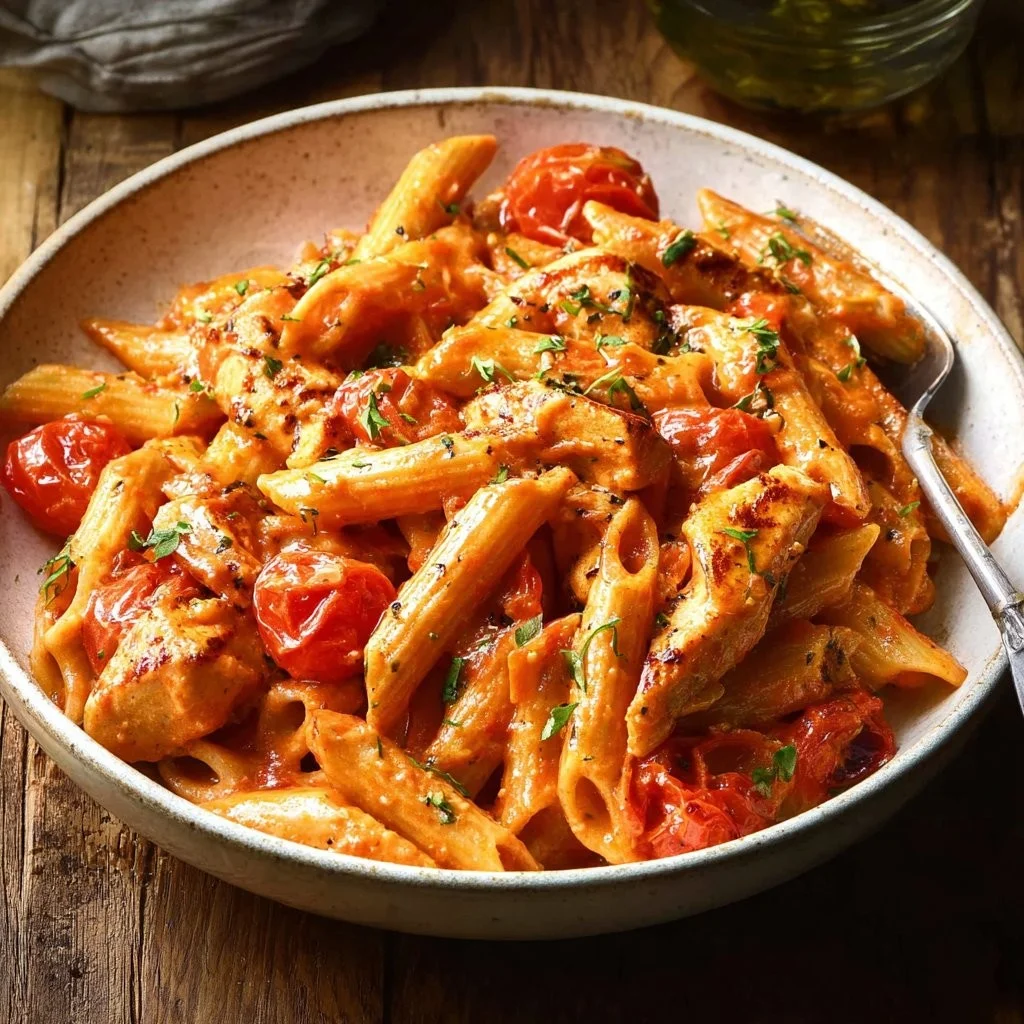
Creamy Angry Chicken
I still laugh thinking about the time I tried to make a fancy dinner for friends and ended up serving bowls of perfectly saucy, slightly spicy pasta that everyone declared the real plan all along. Have you ever had that craving for something creamy and a little fiery but been intimidated by complicated steps? I get it — I used to freeze when a recipe had more than a few pan moves. This Creamy Angry Chicken recipe is one of those weeknight wins that proves simple ingredients and a calm kitchen can make something remarkable. It’s easy, forgiving, and perfect for anyone who’s new to cooking or just wants a stress-free, cozy meal. If you like bold tomato flavors and a little kick, keep reading — and if you love creamy pasta, you might also enjoy my take on a creamy beef and shells recipe for another comforting weeknight option.
A Quick Look at This Creamy Angry Chicken Recipe
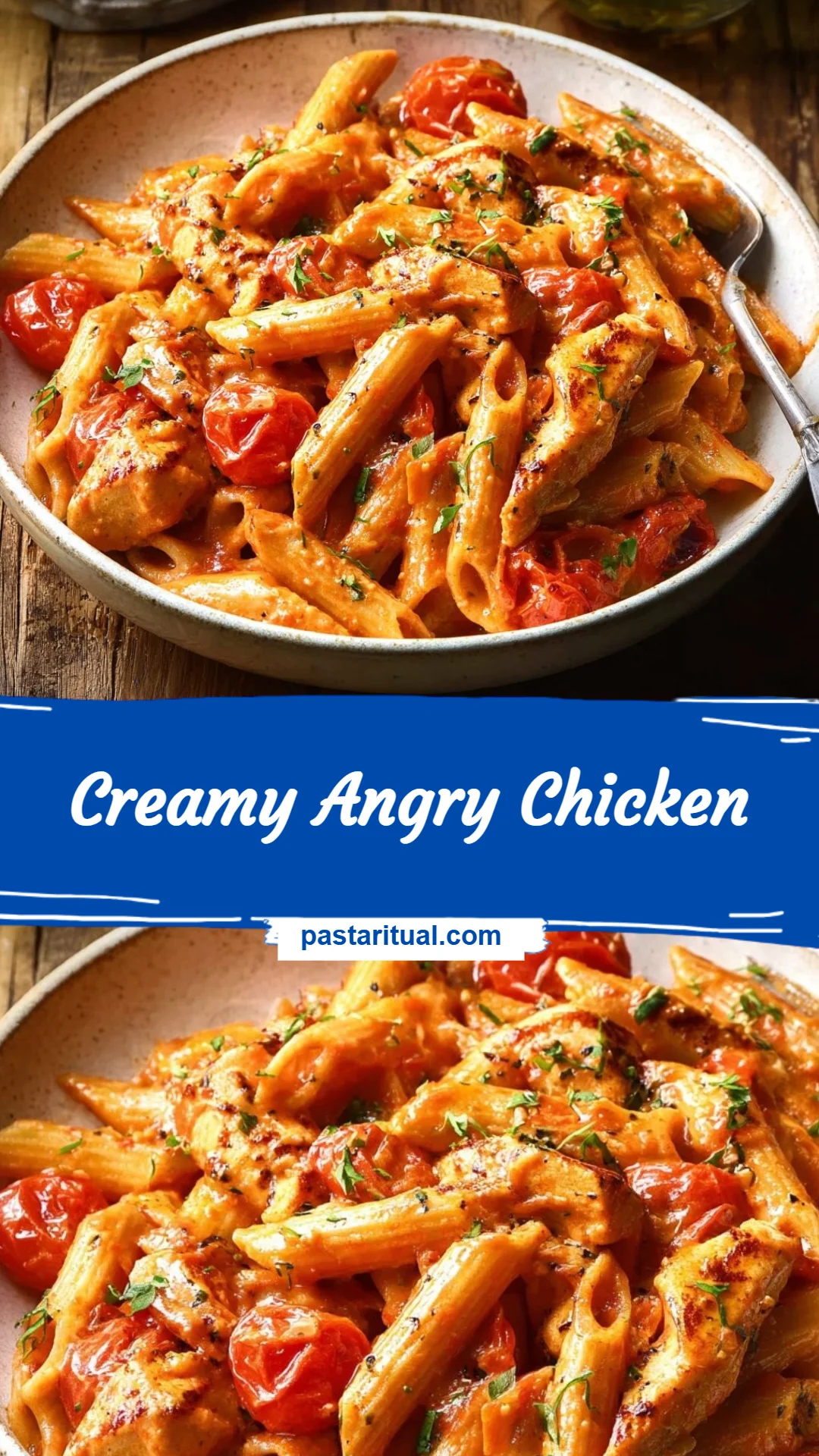
This Creamy Angry Chicken is a cozy, spicy-tomato pasta starring juicy chicken and a rich, slightly fiery tomato-cream sauce. It’s comforting and filling — a great balance of protein and carbs for a satisfying family dinner. The dish is quick to make, uses pantry-friendly seasonings, and is tolerant of beginner mistakes (a forgiving sauce is a home cook’s best friend). If you like creamy tomato-based pastas with a little heat, this recipe is worth scrolling for — it’s straightforward and chatty, just like I would walk you through in my kitchen.
Ingredients You’ll Need for Creamy Angry Chicken
Essentials
- 9 ounces penne — or your favorite short pasta, cooked al dente
- 2 tablespoons olive oil — for browning the chicken and building flavor
- 14 ounces chicken fillets (cut into bite-size chunks) — boneless, skinless chicken breast or thigh pieces work well
- 4 garlic cloves, minced — fresh garlic gives a fragrant base
- 1 shallot, finely chopped — mild, sweet onion flavor that melts into the sauce
- 1 teaspoon salt — to taste; helps bring out the flavors
- 1 teaspoon black pepper — freshly ground if possible
- 1 teaspoon crushed red pepper flakes — for the “angry” heat; adjust to taste
- 1 teaspoon dried oregano — earthy, Mediterranean notes
- 1 teaspoon dried sage — a warm, savory touch (a little goes a long way)
- 1 teaspoon sweet paprika — adds color and a hint of sweetness
- 1/4 cup chicken broth — to deglaze the pan and add depth
- 2 tablespoons tomato paste — concentrated tomato flavor and color
- 1 teaspoon sambal oelek (more or less to taste) — fresh chili paste for heat and umami
- 5.5 ounces cherry tomatoes — halved or left whole for bursts of freshness
- 1 3/4 cups puréed tomatoes — use canned puréed tomatoes or a passata
- 1/2 cup cream (20% fat) — for a silky, rich finish
- 2 ounces grated Parmesan (plus more for serving) — salty, savory cheese to thicken and flavor the sauce
- 2 tablespoons chopped parsley — fresh herb finish for brightness
Optional add-ons
- Extra vegetables: baby spinach stirred in at the end, mushrooms sautéed with the chicken, or bell peppers for more color and sweetness.
- A squeeze of lemon at the end: brightens the sauce and balances richness.
- Fresh basil leaves: torn and added right before serving for a fresh, aromatic lift.
- Crusty bread or garlic bread: for mopping up the sauce.
- A handful of toasted pine nuts: for crunch (optional, not traditional).
Substitutions and shortcuts
- Pasta: Swap penne for rigatoni, fusilli, or any short pasta you have. Gluten-free pasta works too — follow package cooking time.
- Chicken: Use boneless, skinless chicken thighs for juicier results; they’re more forgiving than breast meat. If you prefer a shortcut, pre-cooked rotisserie chicken can be chopped and added at the sauce stage — reduce the initial cooking time so the meat doesn’t dry.
- Shallot: Substitute with 1/4 cup finely chopped yellow or sweet onion if you don’t have a shallot.
- Puréed tomatoes: If you only have crushed tomatoes, blitz them quickly in a blender or use them as-is for a slightly chunkier sauce.
- Cream: If you don’t have 20% cream, use half-and-half or a mix of milk and a tablespoon of butter to add fat and smoothness; the sauce will be slightly less rich.
- Parmesan: Pecorino Romano or Asiago can be used in a pinch; they will shift the flavor a little toward salty/ tangy.
- Sambal oelek: Substitute with sriracha (adds sugar and flavor) or gochujang diluted a touch with water for a different spicy-savoury profile. Adjust quantity to taste.
- Chicken broth: Vegetable broth or even water with a splash of soy sauce (a tiny amount) will work in emergencies.
- Shortcut: Use jarred marinara instead of puréed tomatoes and tomato paste; add sambal and cream to liven it up — skip the deglaze step and heat through with the chicken.
How to Make Creamy Angry Chicken Step-by-Step
I like to work in a simple rhythm when I cook: prep first, then cook confidently. Read through all the steps before you start, and have your ingredients measured and ready. This recipe is very forgiving, so don’t worry if you need to pause and come back.
Prep and start the pasta
- Fill a large pot with water and bring it to a rolling boil. Generously salt the water — it should taste like the sea (this seasons the pasta from the inside).
- Add 9 ounces of penne and cook according to package instructions until al dente (usually a minute or two less than the package’s maximum time). Reserve 1/4 cup of the starchy pasta cooking water, then drain the pasta and set aside. Keeping the pasta warm while you finish the sauce is helpful — a colander set over the pot lid or a shallow pan works fine.
Brown the chicken
- Heat 2 tablespoons of olive oil in a large non-stick skillet over medium-high heat. When the oil shimmers, add the 14 ounces of chicken fillet pieces in a single layer. Don’t crowd the pan — work in batches if necessary.
- Let the chicken cook undisturbed for 2–3 minutes so it can get a nice brown crust. Stir and continue cooking until the chicken is mostly cooked through and starting to brown, about 3–5 minutes total depending on size. You want a golden edge for flavor, not just pale pieces.
- Transfer the chicken to a plate and set aside; it will finish cooking in the sauce shortly.
Sauté the aromatics
- Lower the heat to medium. If the pan looks dry, add a splash more oil.
- Add the finely chopped shallot and minced garlic to the same skillet. Sauté, stirring often, for about 1–2 minutes until they soften and become fragrant. Be careful not to let the garlic burn; it should become translucent and smell sweet.
Add the dry seasonings
- Sprinkle in 1 teaspoon salt, 1 teaspoon black pepper, 1 teaspoon crushed red pepper flakes, 1 teaspoon dried oregano, 1 teaspoon dried sage, and 1 teaspoon sweet paprika. Stir everything together and cook for about 30 seconds — this step toasts the spices lightly and wakes up their flavors.
Deglaze and build the tomato base
- Pour in 1/4 cup chicken broth to deglaze the skillet. Use a wooden spoon to scrape any browned bits off the bottom — those bits are flavor gold and will enrich your sauce.
- Stir in 2 tablespoons of tomato paste and 1 teaspoon sambal oelek. Cook, stirring frequently, for about a minute until the tomato paste darkens slightly. This deepens the taste and removes any raw tomato flavor.
Add the tomatoes and simmer
- Toss in the 5.5 ounces of cherry tomatoes. Cook them for about 2 minutes — they’ll begin to soften and pop, releasing bright juices.
- Pour in 1 3/4 cups puréed tomatoes (passata or canned tomato purée). Stir, bring the mixture to a gentle boil, then reduce the heat and let it simmer for 5 minutes. The sauce should thicken and the flavors will mingle.
Finish the sauce with cream and cheese
- Stir in 1/2 cup of cream (20% fat) and 2 ounces of grated Parmesan. Return the browned chicken pieces — along with any juices on the plate — back to the skillet.
- Cook everything together for about 1 minute to let the sauce come together and the chicken finish cooking through. The cheese will melt into the sauce, making it glossy and smooth.
- If the sauce looks too thick or dry, add a splash of the reserved pasta cooking water (use only what you need). The starchy water helps the sauce cling to the pasta and smooths the texture.
Combine with pasta and taste
- Add the cooked penne to the skillet (or return the pasta to the pot and pour the sauce over it). Toss gently to coat every piece of pasta in the creamy, slightly spicy sauce.
- Stir in the 2 tablespoons chopped parsley. Taste and adjust salt and pepper to your preference. If you want more heat, add a pinch more crushed red pepper or a touch more sambal.
Serve
- Divide the pasta among warm bowls. Top each serving with extra grated Parmesan, a light sprinkle of crushed red pepper flakes, and an extra crack of black pepper if you like.
- Serve immediately with simple sides like a green salad or toasted bread to sop up any remaining sauce.
Tips while cooking:
- Keep your heat moderate when you add cream so it doesn’t separate; gentle simmering is ideal.
- Use the reserved pasta water sparingly — a little goes a long way to loosen the sauce without watering it down.
- If you prefer less heat, reduce the crushed red pepper flakes and start with half a teaspoon of sambal, tasting as you go.
Common Mistakes to Avoid
This dish is friendly, but there are a few traps new cooks can fall into. A small misstep can change the texture or flavor, but most problems are easy to fix once you know what to watch for.
Mistake 1: Overcooking the chicken
When chicken is cooked too long, it becomes dry and chewy. To avoid this, cut evenly sized pieces so they cook at the same rate, brown them for flavor, then remove them from the pan to finish cooking in the sauce. The sauce will bring them up to a safe temperature without drying them out.
Mistake 2: Letting the cream separate
If the sauce looks curdled after adding cream, the heat was likely too high. Reduce the heat to low, stir the sauce gently, and add a splash of pasta water — this helps bring the sauce back together. Using cream with at least 20% fat also reduces the chance of separation.
Mistake 3: Not seasoning the pasta water or tasting as you go
Under-seasoned pasta and sauce can taste flat. Salt your pasta water generously before adding the pasta — it should taste savory. Also, taste the sauce before tossing with the pasta and adjust salt, pepper, or heat as needed. Small adjustments make a big difference.
Serving Suggestions for Creamy Angry Chicken
This Creamy Angry Chicken shines with simple, complementary sides. I like to lean into contrast: something crisp, something green, and something to mop up sauce.
A bright, simple salad
A quick baby arugula or mixed greens salad with lemon vinaigrette adds a peppery, acidic contrast to the creamy pasta. Toss greens with olive oil, a squeeze of lemon, salt, and a little shaved Parmesan.
Garlic bread or rustic loaf
Warm, crusty bread toasted with butter or olive oil and garlic is perfect for soaking up extra sauce. If you like, you can rub a toasted slice with a cut garlic clove for a light garlic flavor.
Steamed or sautéed greens
Quickly sautéed spinach, Swiss chard, or broccolini with a pinch of salt and a drizzle of olive oil brings a vibrant, slightly bitter element that balances the richness of the dish.
Conclusion
I love how this Creamy Angry Chicken turns a short list of pantry staples and a single skillet into something cozy, bright, and a little cheeky in spice. It’s easier than it looks — brown the chicken, build a simple tomato-cream sauce, and toss with pasta. You can customize the heat, swap vegetables in and out, or use leftover chicken for a faster finish. If you’re curious about other creamy, comforting pasta dinners, I often look to classic takes for inspiration — for a similar chicken-and-pasta vibe with an arrabbiata twist, see this creamy riff on all’arrabbiata for more ideas: Creamy Chicken all’Arrabbiata – Serving Dumplings. And if you want another chicken-and-penne inspiration with bold tomato flavors, try this version here: Chicken Penne Arrabbiata – Jo Cooks. Now go make a pot of your favorite pasta — and enjoy a bowl that’s warm, a little spicy, and wholly homey.
FAQs About Creamy Angry Chicken
Yes — you can cook the sauce and chicken up to a day ahead and refrigerate. Reheat gently on the stove over low heat, stirring in a splash of pasta water or cream to bring back creaminess. Add freshly cooked pasta when ready to serve for the best texture.
The cooked sauce (with chicken) can be frozen in an airtight container for up to 2 months. Thaw overnight in the fridge and reheat gently, stirring in cream or a little pasta water. I don’t recommend freezing the dish already mixed with pasta, as the pasta can become mushy.
Reduce the crushed red pepper flakes to a pinch and cut the sambal oelek to 1/4–1/2 teaspoon, then taste and adjust. You can also serve the sauce with a side of grated cheese so kids can control the heat on their own plates.
Yes — swap the chicken for firm tofu, chickpeas, or sautéed mushrooms. Use vegetable broth instead of chicken broth, and follow the same steps to build the sauce. The texture and protein will be different but still very satisfying.
Short tubular pastas like penne, rigatoni, or fusilli are ideal because they hold the creamy sauce well. If you prefer, long pastas like spaghetti or linguine work too — just adjust the presentation and portion size.
Creamy Angry Chicken
Ingredients
Method
- Fill a large pot with water and bring it to a rolling boil. Generously salt the water.
- Add 9 ounces of penne and cook according to package instructions until al dente. Reserve 1/4 cup of pasta cooking water, then drain and set aside.
- Heat olive oil in a large non-stick skillet over medium-high heat. Add chicken fillet pieces in a single layer.
- Let the chicken cook undisturbed for 2–3 minutes to develop a nice brown crust. Stir and continue until cooked through, about 3–5 minutes total. Transfer to a plate and set aside.
- Lower the heat to medium, add chopped shallot and minced garlic to the skillet, and sauté for 1–2 minutes until softened.
- Sprinkle in salt, black pepper, crushed red pepper flakes, oregano, sage, and paprika. Stir and cook for about 30 seconds.
- Pour in chicken broth to deglaze the skillet, scraping up browned bits.
- Stir in tomato paste and sambal oelek, cooking for a minute until the paste darkens.
- Add cherry tomatoes and cook for about 2 minutes until softened.
- Pour in puréed tomatoes, bring to a gentle boil, then reduce heat and simmer for 5 minutes.
- Stir in cream and grated Parmesan. Add browned chicken pieces back and cook for about 1 minute.
- If the sauce is too thick, add reserved pasta water as needed.
- Add cooked penne to the skillet and toss gently to coat. Stir in chopped parsley, taste, and adjust seasoning.
- Serve divided among bowls, topped with extra Parmesan and a sprinkle of red pepper flakes.