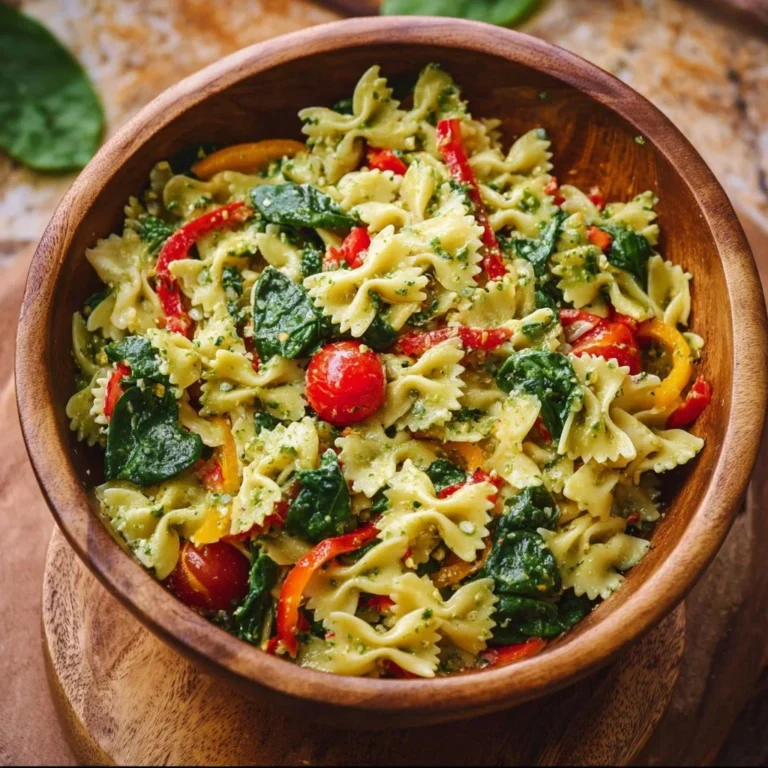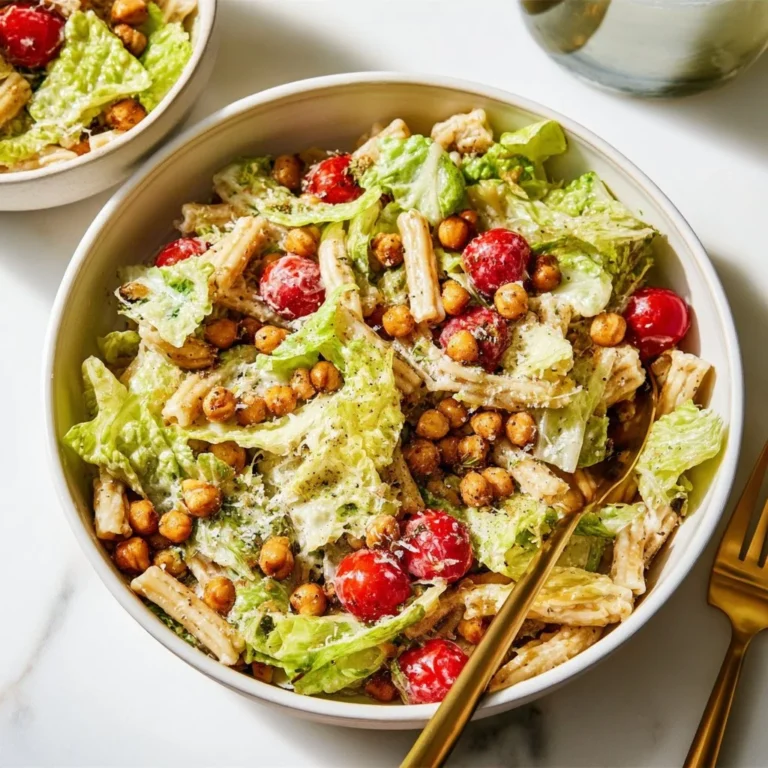
Cold High Protein Vegan Pasta Salad
Have you ever craved something that feels like sunshine in a bowl — light, comforting, and a little bit celebratory? I remember the first time I made a chilled pasta salad for a hot summer potluck and everyone kept coming back for more; someone even joked we should bottle the dressing. If you’re new to vegan cooking or nervous about balancing protein and flavor, I get it — it can feel tricky at first. This Cold High Protein Vegan Pasta Salad is one of those beginner-friendly recipes that’s easy, forgiving, and stress-free, and if you want a different twist, I sometimes pair it with a basil-heavy Caprese-style salad I adapted from a favorite recipe I found here: Caprese Pesto Pasta Salad.
A Quick Look at This Cold High Protein Vegan Pasta Salad Recipe
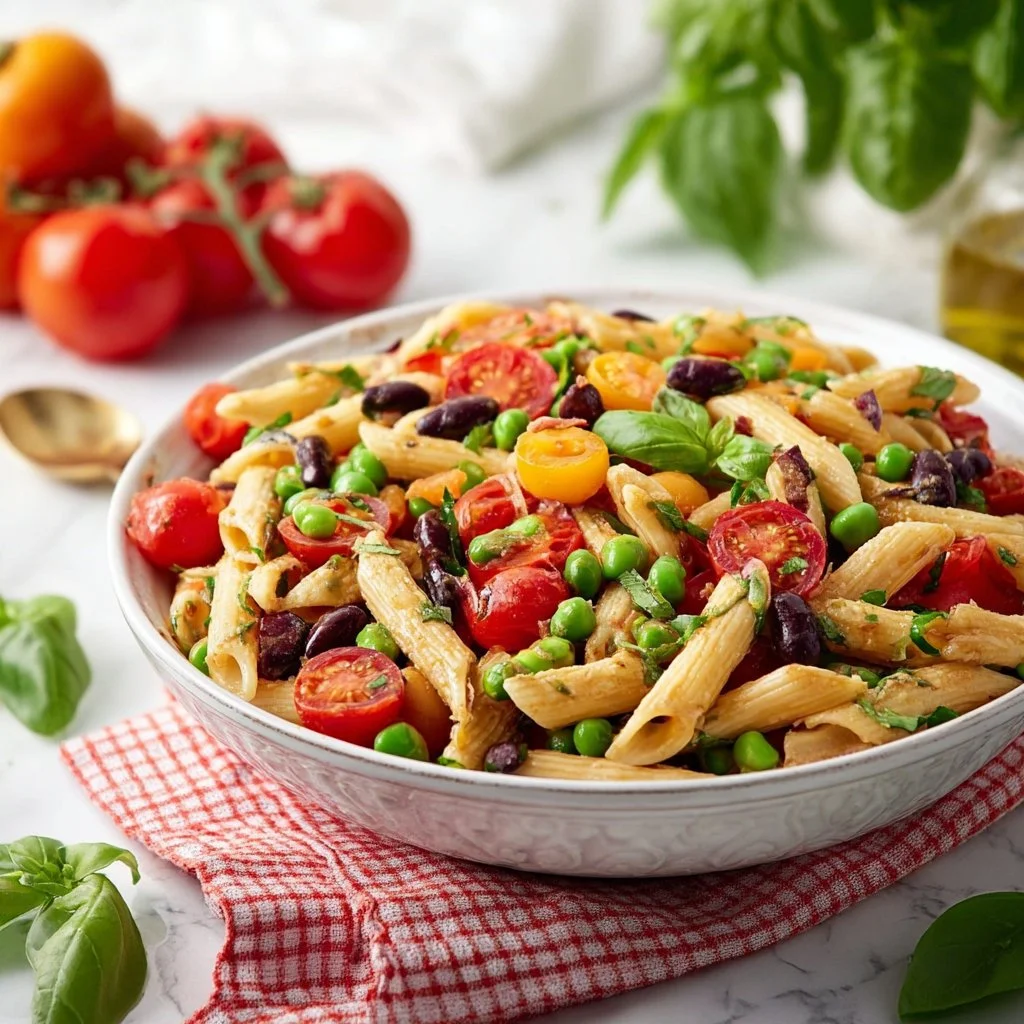
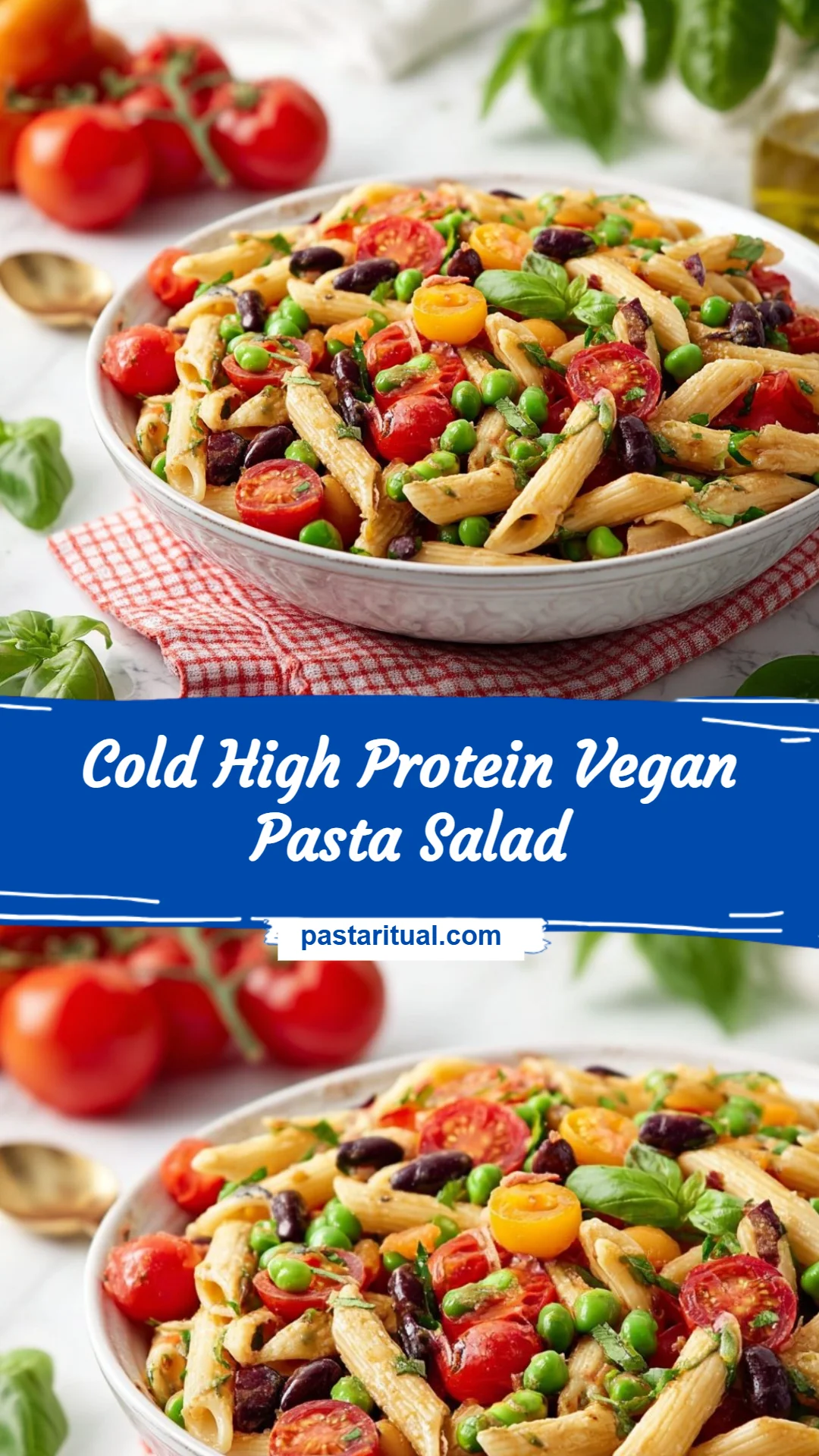
This Cold High Protein Vegan Pasta Salad combines plant-based proteins and fiber in a bright, creamy dressing. Chickpeas and kidney beans provide a solid protein punch and fiber, while peas and cherry tomatoes add vitamins A and C and a pleasant sweetness. The cashew-based dressing adds healthy fats and a satisfying creaminess without dairy. It’s high in protein for a vegan salad, naturally low in added sugars, and makes a balanced meal that’s great for meal prep, picnics, or lighter dinners.
Ingredients You’ll Need for Cold High Protein Vegan Pasta Salad
Below I break down what you’ll need, what’s optional, and clever swaps to save time without sacrificing nutrition or flavor.
Essentials
- 8 oz uncooked pasta (choose chickpea, whole-wheat, gluten-free, or regular based on your dietary needs) — chickpea pasta adds extra protein and fiber.
- 1 cup cooked chickpeas — canned or home-cooked; these are a key protein source.
- 1 cup green peas (fresh or frozen) — quick to cook or use frozen thawed for convenience.
- 1 cup cooked red kidney beans — adds texture, protein, and minerals like iron.
- 2 heaping cups cherry tomatoes (halved or quartered) — juicy, vitamin-rich brightness.
- 1 medium-sized red onion (chopped) — for bite and depth; soak briefly in cold water if you want milder flavor.
- ¼ cup fresh parsley (finely chopped) — bright herb note; substitutes below.
- ½ cup raw cashews (soaked and drained) — the base of the creamy dressing; soaking softens them for smooth blending.
- 3 tablespoons nutritional yeast — gives a savory, slightly cheesy flavor and B-vitamins.
- 1 cup soy milk (or any plant-based milk) — neutral liquid for the dressing; soy boosts protein.
- 1 tablespoon mustard (whole grain or yellow) — tang and emulsification.
- 1 tablespoon lemon juice — acidity to brighten the salad.
- 1 tablespoon apple cider vinegar — more acidity and a gentle tang.
- ¾ teaspoon salt — adjust to taste.
- ½ teaspoon garlic powder — base savory flavor.
- ½ teaspoon oregano — Mediterranean warmth.
- ½ teaspoon dried basil — herbaceous layer.
- ¼ teaspoon ground black pepper — balancing spice.
Optional add-ons
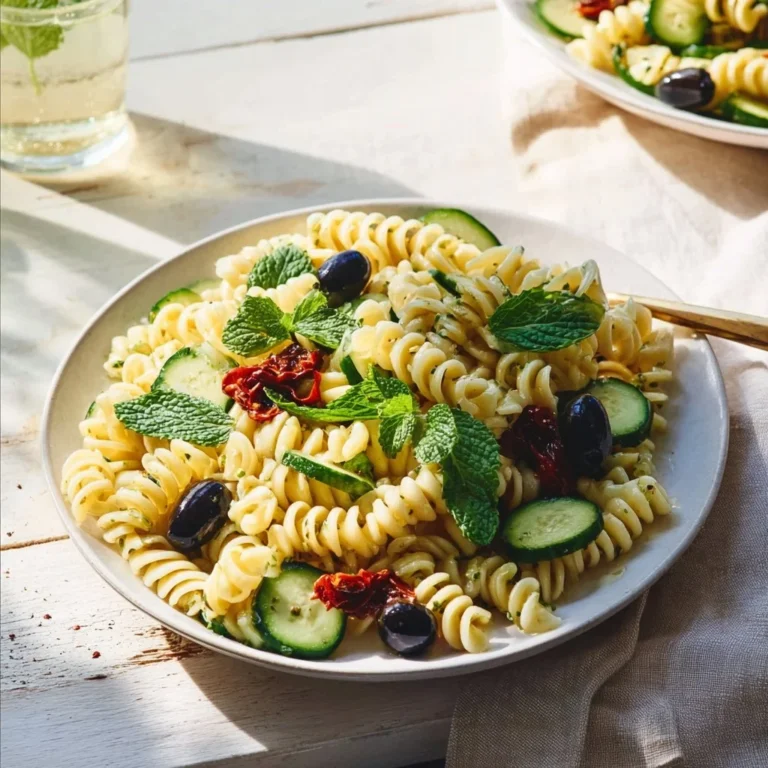
- Cucumber or bell pepper — for extra crunch and hydration.
- Olives (green or kalamata) — for salty depth (omit if you want a milder profile).
- Sun-dried tomatoes — concentrated umami; go easy as they’re salty.
- Fresh basil or cilantro instead of parsley — different herb flavors to personalize.
- A squeeze of maple syrup or a pinch of sugar — if you want to balance the acidity, though the recipe is naturally low in added sugar.
- Toasted seeds (pumpkin, sunflower) — extra crunch and healthy fats.
- A hit of smoked paprika or chili flakes — if you like smoky or spicy notes.
Substitutions and shortcuts
- Pasta: Chickpea pasta boosts protein; whole-wheat adds fiber; gluten-free works fine if needed. If you’re short on time, use pre-cooked refrigerated pastas sold in many grocery stores.
- Cooked legumes: Use canned chickpeas and kidney beans to save time — rinse and drain thoroughly to reduce sodium.
- Cashew-free dressing: Replace soaked cashews with 3/4 cup silken tofu for a nut-free creamy base. You can also use 1/2 avocado plus a bit more plant milk for richness.
- Nutritional yeast: If you’re out, add 1/2 teaspoon miso paste to the dressing for a savory boost (reduce salt a touch).
- Plant milk: Soy milk keeps the protein higher, but oat, almond, or pea milk will work; choose unsweetened.
- Soaking cashews: If you forget to soak them, boil cashews in water for 10–15 minutes until soft, then drain and cool before blending.
- Quick peas: Use frozen peas straight from the freezer and thaw under cold running water — no cooking required for a chilled salad.
How to Make Cold High Protein Vegan Pasta Salad Step-by-Step
I like to keep the process calm and methodical. The steps are straightforward, and a couple of small techniques really lift the final salad.
Cook the pasta until al dente. Follow package instructions for timing. I usually test a minute or two before the suggested time — you want a slight bite because the pasta will absorb dressing as it chills. Once cooked, drain and rinse under cold water immediately to stop the cooking process and cool the pasta for a chilled salad. Rinsing also helps remove excess starch so the pasta doesn’t clump.
Prepare the dressing. Drain your soaked cashews and add them to a blender with nutritional yeast, soy milk, mustard, lemon juice, apple cider vinegar, salt, garlic powder, oregano, dried basil, and black pepper. Blend on high until completely smooth and creamy. If the dressing seems too thick, add a tablespoon of plant milk at a time until you reach a pourable consistency. Taste and adjust salt or lemon to balance the flavors.
Combine the salad components. In a large mixing bowl, add the cooled pasta, cooked chickpeas, cooked kidney beans, green peas, chopped red onion, and parsley. If you’re adding cucumbers, bell peppers, or olives, fold them in here.
Dress the salad. Pour the cashew dressing over the pasta mixture and toss gently until everything is well coated. Use tongs or two large spoons to lift and turn the salad so every bite is saucy.
Chill and meld the flavors. You can serve immediately for a quick meal, but I strongly recommend chilling the salad in the refrigerator for at least an hour — this lets the dressing soak into the pasta and the flavors marry. If you’re short on time, a 20–30 minute chill still improves texture and temperature.
Final touches before serving. Right before serving, taste and adjust salt, pepper, or acid. A last-minute sprinkle of fresh parsley or basil makes it feel fresh. If the dressing thickened in the fridge, stir in a tablespoon of plant milk to loosen it up.
Tips to preserve nutrients and flavor:
- Don’t overcook the pasta: al dente retains texture and avoids nutrient loss from extended boiling.
- Use minimal cooking for peas — if using fresh peas, a quick blanch (30–60 seconds) preserves color, flavor, and vitamins. If using frozen, thaw under cold water rather than cooking again.
- Rinse canned beans well to reduce sodium and remove canning liquid that can dilute flavor.
- Store dressing separately if you plan to meal-prep for more than 2–3 days; mixed salads are best within 3–4 days for texture and freshness.
Common Mistakes to Avoid
Making this salad is forgiving, but a few small slip-ups can dull the flavors or make the texture less appealing. These are the mistakes I see most often and how to avoid them.
Mistake 1: Overcooking the pasta
Overcooked pasta gets mushy and soaks up too much dressing, leaving a gluey texture. Always time your pasta and taste for al dente a minute or two before the package suggests. Rinse under cold water right after draining to stop the cooking and prevent clumping.
Mistake 2: Not balancing the dressing
A dressing that’s too flat often needs acid. If your salad tastes bland, add a little more lemon juice or apple cider vinegar, a pinch more salt, or a hit of mustard. Taste as you go — the dressing should be bright and a bit punchy to stand up to the beans and pasta.
Mistake 3: Skipping the chill
Serving the salad straight away is tempting, but skipping the chill means flavors haven’t had time to marry. If possible, chill for at least an hour. The texture improves and the dressing will infuse the pasta and legumes with more flavor.
Serving Suggestions for Cold High Protein Vegan Pasta Salad
This salad is versatile and travels well, so it’s great for many occasions. Here are a few of my favorite ways to serve it.
Picnic or potluck star
Pack the salad in a shallow container and top with a few fresh herb sprigs. I like to bring extra dressing on the side in a small jar so people can adjust creaminess. It’s hearty enough to be a main course for plant-based eaters, and still light enough to pair with grilled vegetables or a simple green salad.
Meal-prep lunches
Divide into single-serving containers for grab-and-go lunches. I store the dressing mixed in for up to three days; if you prefer crunch (like raw cucumber or toasted seeds), pack those separately and add them just before eating. This salad reheats poorly, so it’s best enjoyed cold.
Light dinner or side dish
Serve alongside baked tofu, grilled tempeh, or a simple bean burger for a balanced plate. The salad’s protein and fiber make it satisfying, and a slice of crusty bread or a side of roasted veg rounds out the meal for cooler evenings.
Conclusion
I love how this Cold High Protein Vegan Pasta Salad checks so many boxes: it’s filling without feeling heavy, high in plant protein and fiber thanks to chickpeas and kidney beans, and versatile enough to adapt to whatever you have on hand. If you want ideas for similar protein-packed pasta salads, I sometimes look to other creative recipes for inspiration — for a creamy variation, see Creamy Vegan Pasta Salad – PlantYou, and for another high-protein option you might enjoy this Easy High Protein Pasta Salad – My Plantiful Cooking. Give this recipe a try, tweak it to your tastes, and let me know what add-ins you loved — I always enjoy hearing how readers make it their own.
FAQs About Cold High Protein Vegan Pasta Salad
Yes, you can make this Cold High Protein Vegan Pasta Salad 1–3 days ahead for easy meal prep. Store it in an airtight container in the fridge. If you plan to keep it longer than two days, consider storing the crunchy add-ins (cucumbers, seeds) separately and adding them just before serving to preserve texture.
Cold High Protein Vegan Pasta Salad is excellent for meal prep but not ideal for freezing. Freezing can change the texture of the pasta and the dressing once thawed. Refrigerate for up to 3–4 days instead.
To make this Cold High Protein Vegan Pasta Salad nut-free, replace the cashew-based dressing with silken tofu (about 3/4 cup) blended with nutritional yeast, plant milk, mustard, lemon, and seasonings. Alternatively, use mashed avocado with a little plant milk for creaminess.
Absolutely. Use chickpea or lentil pasta for an extra protein boost, keep the soy milk in the dressing, and add extra beans or roasted tempeh cubes. Seeds like hemp or pumpkin also add a protein and healthy fat lift.
For gatherings, make the salad a few hours ahead and chill it. Bring extra dressing and a small bowl of chopped fresh herbs so guests can customize their portions. Serve it in a wide shallow bowl so the salad stays cool and is easy to serve.
Cold High Protein Vegan Pasta Salad
Ingredients
Method
- Cook the pasta until al dente, following package instructions. Drain and rinse under cold water to prevent further cooking.
- Blend the soaked cashews with nutritional yeast, soy milk, mustard, lemon juice, apple cider vinegar, salt, garlic powder, oregano, dried basil, and black pepper until smooth.
- In a large bowl, combine the cooled pasta, cooked chickpeas, kidney beans, green peas, chopped red onion, and parsley. Add optional ingredients if desired.
- Pour the cashew dressing over the pasta mixture and gently toss until well coated.
- Chill the salad in the refrigerator for at least an hour for the flavors to meld.
- Before serving, taste and adjust seasoning with salt, pepper, or additional acidity. Garnish with fresh herbs.