Buttered Lobster Pasta
Have you ever come home craving something rich and special but didn’t want to wrestle with a complicated recipe? I remember pulling a warm bowl of buttered lobster pasta out of the skillet on a rainy night, clutching it like a cozy blanket — my cat inspected every strand, and I may have laughed at myself for how proud I felt. If you’re a home cook who worries that seafood dishes are fussy, you’re not alone; beginners often think lobster equals stress. I promise this Buttered Lobster Pasta is gentle, forgiving, and exactly the kind of weeknight treat that makes you feel like you put in more effort than you did. If you love garlic-butter flavors, you might also enjoy my garlic butter lobster pasta variation for another easy twist.
A Quick Look at This Buttered Lobster Pasta Recipe
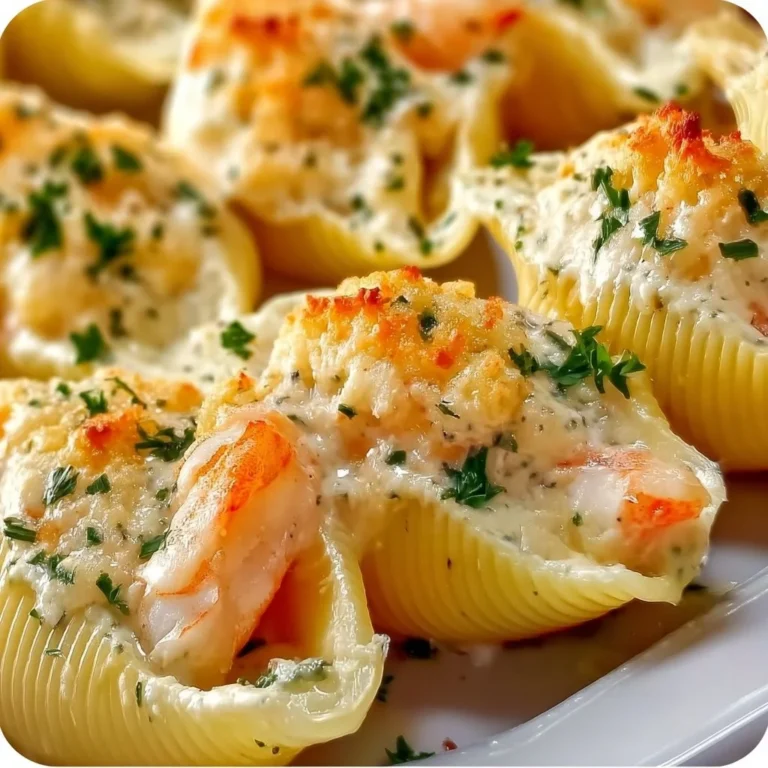
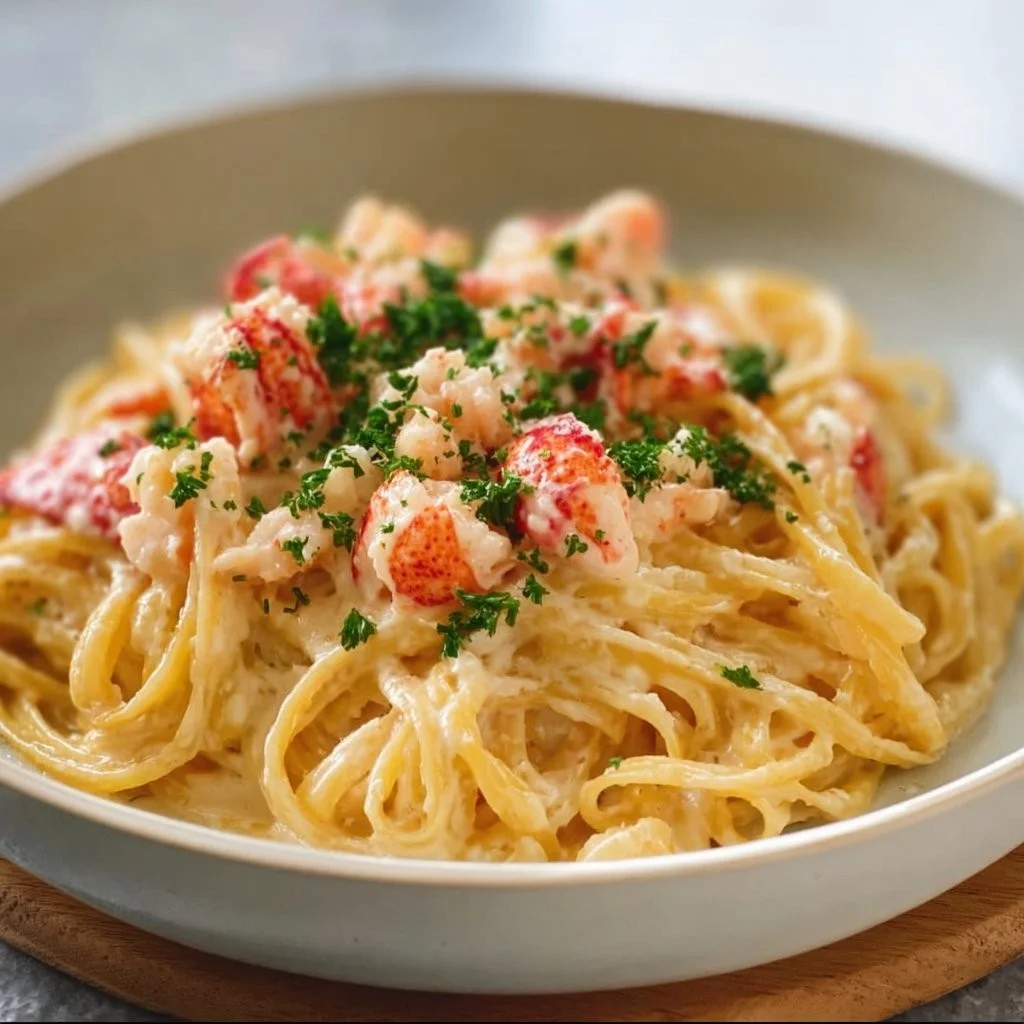
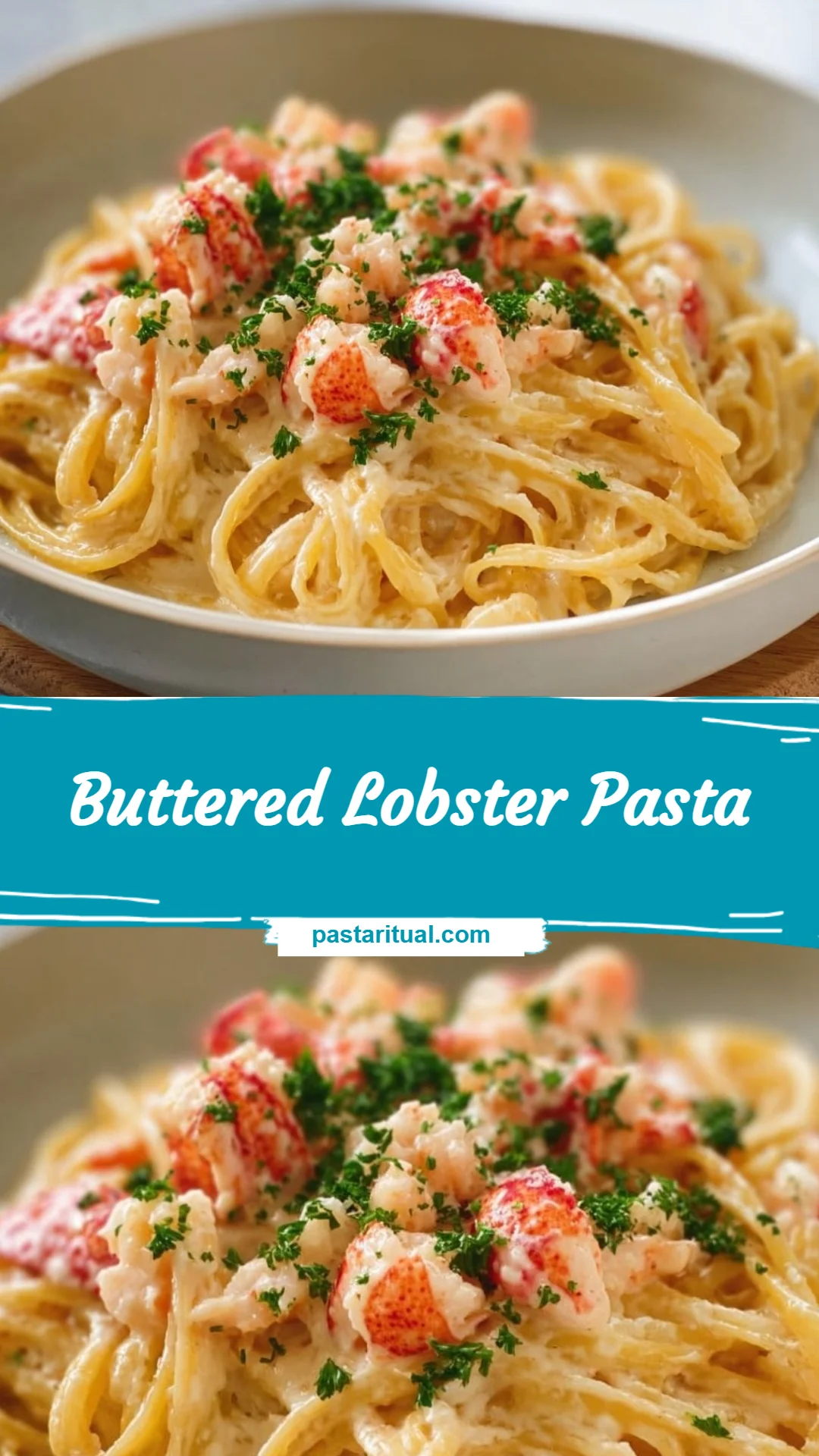
This Buttered Lobster Pasta highlights tender lobster meat and a velvety butter-cream sauce. It’s comfort food that still feels a little fancy — perfect for a cozy dinner without fuss. One key benefit is that it’s high in protein and satisfying, so a little goes a long way. The recipe is great for beginners because the steps are straightforward: cook pasta, make a simple sauce, fold in lobster, and serve. Keep reading to learn quick tips that make this dish turn out restaurant-level every time.
Ingredients You’ll Need for Buttered Lobster Pasta
Below I break the ingredients into essentials, optional add-ons, and handy substitutions so you can adapt this recipe to what’s in your pantry.
Essentials
- 8 oz linguine or fettuccine — either shape works; linguine gives a lighter feel, fettuccine feels richer.
- 1 cup fresh lobster meat, cooked — bite-sized pieces of claw or tail are best for texture and flavor.
- 4 tbsp unsalted butter — the sauce base for that warm, silky flavor.
- 4 cloves garlic, minced — fresh garlic gives the sauce a punch; press or finely chop so it melts into the butter.
- 1 cup heavy cream — creates a smooth, clingy sauce that coats the pasta.
- 1/2 cup freshly grated Parmesan cheese — freshly grated melts better than pre-grated and adds nuttiness.
- Juice of 1 lemon — brightens the sauce and balances the richness.
- 2 tbsp fresh parsley, chopped — adds color and a fresh herb note.
- Salt and pepper to taste — adjust at the end so the balance is right.
Optional add-ons
- Freshly cracked black pepper — a final grind adds aroma.
- Lemon zest — for extra citrus brightness without more liquid.
- A pinch of red pepper flakes — if you like a mild heat.
- A drizzle of good olive oil over the finished dish — adds shine and depth.
- A handful of baby spinach — tossed in at the very end to wilt for color and nutrition.
Substitutions and shortcuts
- Lobster: If fresh lobster meat is hard to find, you can use thawed frozen lobster meat or high-quality canned lobster in a pinch. I prefer fresh or vacuum-packed cooked lobster for texture.
- Pasta: Swap linguine/fettuccine for spaghetti or tagliatelle if that’s what you have. Use gluten-free pasta if needed; cook it according to package directions.
- Butter: Use salted butter but reduce added salt later. Unsalted gives more control.
- Heavy cream: For a lighter version, use half-and-half plus a tablespoon of flour whisked in to help thicken, though the texture will be a touch lighter.
- Parmesan: Pecorino Romano adds a sharper bite if you like a tangier finish.
- Garlic: Use 1/2 teaspoon garlic powder only if you absolutely must, but fresh garlic is best.
- Time-saver: Buy pre-minced garlic and pre-chopped parsley if you’re short on prep time — just adjust quantities slightly because jarred garlic can be milder.
If you want a contrasting pasta salad idea for leftover seafood, I sometimes follow up with a cold, tangy dish — there’s a great recipe I like for a similar vibe at shrimp pasta salad.
How to Make Buttered Lobster Pasta Step-by-Step
I like to think of this as a short, gentle routine — the kind of meal you can do while chatting with someone or listening to music. Below are detailed, beginner-friendly steps so nothing surprises you.
Step 1 — Prep everything first
Before you turn on the stove, chop and measure. Finely mince the garlic and chop the parsley. If your lobster is in larger pieces, cut it into bite-sized chunks. Measure out butter, cream, and cheese. Cooking is much less stressful when everything is ready to go.
Tip: Keep the reserved pasta water close by in a measuring cup so you can add it when you need to thin the sauce.
Step 2 — Cook the pasta to al dente
Bring a large pot of water to a rolling boil. Salt the water generously — it should taste like the sea. Add 8 oz of linguine or fettuccine and cook until al dente (usually a minute or two less than package directions). Before draining, scoop out and reserve 1 cup of pasta water — this starchy water helps the sauce cling to the noodles. Drain the pasta and set it aside briefly.
Tip: If you like your pasta extra glossy, do not rinse. The starch left on the noodles helps the sauce adhere.
Step 3 — Melt butter and sauté the garlic
Place a large skillet over medium heat. Add 4 tablespoons of unsalted butter and let it melt until bubbling gently — don’t let it brown. Add the 4 minced garlic cloves and sauté for about 30–60 seconds until fragrant. Keep the garlic moving so it doesn’t burn; burnt garlic tastes bitter and will hide the lobster’s sweetness.
A gentle aroma should fill the kitchen — that’s when I smile and know the dish is coming together.
Step 4 — Add heavy cream and Parmesan to build the sauce
Lower the heat slightly and gradually stir in 1 cup heavy cream. I add a little at a time, whisking so the butter and cream combine into a smooth emulsion. Bring the mixture to a gentle simmer — do not boil rapidly. Add 1/2 cup freshly grated Parmesan cheese in small handfuls, stirring until each addition melts and the sauce is smooth.
If the sauce seems too thick, add a splash of the reserved pasta water (start with 2 tablespoons). The starchy liquid thins the sauce while helping it cling to pasta. Continue adding small amounts until you reach a luxurious, silky consistency.
Tip: If the sauce breaks (looks separated), lower the heat and whisk in a spoonful of cold cream to bring it back together.
Step 5 — Fold in the lobster and lemon
Gently fold in 1 cup of cooked lobster meat. You’re not cooking raw lobster here, just warming it through so the meat stays tender. Squeeze in the juice of one lemon — this brightens the whole sauce and balances the butter. Warm everything on low heat for 1–2 minutes; overcooking lobster makes it rubbery, so keep it brief.
Taste and season with salt and pepper. Remember Parmesan adds saltiness, so season lightly and adjust at the end.
Step 6 — Combine pasta and sauce
Toss the drained pasta into the skillet. Use tongs to lift and fold the pasta so every strand is coated in the sauce. If needed, add a bit more reserved pasta water to loosen the sauce and help it cling.
Finish with 2 tablespoons chopped fresh parsley and a final grind of black pepper, then serve immediately while hot. I like to set the table, light a candle, and let the lid off the skillet be our little reveal — it feels homey and a bit celebratory.
Tip: Serve with lemon wedges on the side so guests can add more brightness if they like.
Common Mistakes to Avoid
Even simple recipes have common traps. I’ve made these mistakes so you don’t have to — once you know them, the dish becomes nearly fail-proof.
Mistake 1: Overcooking the lobster
Lobster is delicate. If you heat it too long, it turns chewy and loses its sweet flavor. Warm the cooked lobster in the sauce for only 1–2 minutes on low heat, just until it’s heated through.
Mistake 2: Letting the garlic burn
Burnt garlic is bitter and can ruin the sauce’s gentle flavor. Sauté the minced garlic only until fragrant — about 30–60 seconds — and keep the heat moderate. If it browns, start the sauce again or remove browned pieces.
Mistake 3: Skipping the reserved pasta water
That starchy pasta water is gold. It loosens the sauce and helps it cling to the noodles. If you omit it, your sauce may be too thick or won’t coat the pasta evenly.
Serving Suggestions for Buttered Lobster Pasta
This dish feels special on its own, but a few simple sides and pairings make it into a full meal that’s balanced and cozy.
I love keeping accompaniments simple: a crisp green salad, crusty bread, and a light dessert make a satisfying dinner without stealing the spotlight from the lobster.
Crisp green salad
A bowl of peppery arugula or mixed greens tossed with a lemon vinaigrette complements the richness of the pasta. The acidity cuts through the creaminess in the best way.
Simple garlic bread or crusty loaf
Warm, crusty bread or a slice of garlic bread is perfect for soaking up any leftover sauce. I often toast slices in a little butter and garlic while the pasta cooks.
Steamed vegetables or roasted asparagus
A side of lightly steamed broccoli or roasted asparagus adds color and texture. Roasting asparagus with a squeeze of lemon and a pinch of salt takes under 15 minutes and pairs beautifully.
Conclusion
I hope this cozy, approachable Buttered Lobster Pasta feels like something you can make on a quiet weeknight or for a small celebration. It’s easier than it looks, fully customizable to your pantry, and wonderfully comforting — a real homestyle luxury. If you’d like a version with bright tomatoes added, I sometimes refer to this lovely twist at Buttered Lobster Pasta with Cherry Tomatoes – Daen’s Kitchen for inspiration.
FAQs About Buttered Lobster Pasta
You can prepare parts ahead — cook and chill the lobster meat, grate the Parmesan, and pre-measure ingredients. I don’t recommend fully assembling and reheating the whole dish because the lobster can get rubbery and the sauce may separate. If you must reheat, warm gently with a splash of cream or reserved pasta water over low heat.
Store leftovers in an airtight container in the fridge for up to 2 days. Reheat gently in a skillet with a little cream or pasta water to restore the sauce’s texture. Avoid the microwave if possible, as it can overcook the lobster.
Yes — it’s creamy, mild, and naturally a hit with many kids. Omit red pepper flakes and keep the sauce simple. Cut the lobster into small, bite-sized pieces for easier eating.
Absolutely. Thaw frozen cooked lobster in the fridge overnight and pat dry before using. Frozen lobster is a convenient and often affordable option that still tastes great when warmed gently in the sauce.
Linguine and fettuccine are excellent because their flat shapes hold the creamy sauce well. Spaghetti or tagliatelle also work. Choose what you enjoy most — the sauce is forgiving and pairs nicely with many long pasta shapes.
Buttered Lobster Pasta
Ingredients
Method
- Chop and measure all ingredients: mince garlic, chop parsley, and cut lobster if necessary.
- Measure out butter, cream, and cheese.
- Keep reserved pasta water close by in a measuring cup.
- Bring a large pot of salted water to a rolling boil and cook pasta until al dente.
- Reserve 1 cup of pasta water, then drain the pasta.
- In a skillet, melt butter over medium heat, add garlic and sauté until fragrant.
- Lower the heat, stir in heavy cream gradually, allowing it to form a smooth emulsion.
- Add Parmesan gradually, stirring until melted.
- If the sauce is too thick, add reserved pasta water to achieve the desired consistency.
- Fold in lobster meat and lemon juice, warming gently on low heat.
- Season with salt and pepper to taste.
- Toss the drained pasta into the skillet, using tongs to ensure it is well-coated.
- Finish with chopped parsley and serve immediately.
- Optional: Serve with lemon wedges on the side.